Partner's Baby Prep List: 10 Things Dads Should Do Before Baby
New dads, get ready! This dad to be checklist covers 10 essential prep tasks, from packing the hospital bag to freezing meals. Be prepared!

Getting ready for a new baby can feel like a lot, especially for dads-to-be. It's easy to feel a bit lost in all the planning. But don't worry, this dad to be checklist is here to help make things smoother. We've pulled together some straightforward tasks that will get you prepared so you can focus on what really matters: your growing family.
Key Takeaways
- Pack your hospital bag early, around 35 weeks, with essentials for you, your partner, and the baby.
- Install the car seat correctly and practice using it before the baby arrives.
- Assemble any baby furniture ahead of time to avoid last-minute stress.
- Stock up on about four weeks' worth of diapers and other baby hygiene items like wipes and cream.
- Prepare and freeze meals in advance to simplify feeding during those busy first few weeks.
1. Hospital Bag
Alright, dads-to-be, let's talk about the hospital bag. This isn't just your partner's responsibility; you need your own go-bag ready too! Think of it as your survival kit for those first few days. You'll want to have this packed and stashed somewhere accessible, ideally around 35-37 weeks, just in case your little one decides to make an early appearance. Hospitals can be a bit of a whirlwind, and having your essentials sorted will make a big difference.
So, what goes in your bag? Definitely a change of clothes – you might be there longer than you think, and feeling fresh helps. Pack some comfy socks, maybe even a pillow from home if you want that extra bit of comfort. Don't forget your phone charger; those hospital outlets can be surprisingly far away. A good book or some downloaded podcasts can be a lifesaver during those quiet (or not-so-quiet) hours. And snacks! Seriously, pack snacks. You won't want to be hunting for food when you're exhausted.
Here’s a quick rundown of what to consider:
- Comfort Items: A comfy outfit, toiletries (toothbrush, toothpaste, etc.), maybe a travel-sized pillow.
- Electronics: Phone, charger, portable charger if you have one, camera (with extra batteries and memory cards).
- Entertainment & Sustenance: Book, headphones, snacks, and a reusable water bottle.
- Important Documents: Your ID, insurance card, and any hospital pre-registration paperwork.
Remember, the hospital provides a lot for the baby, but they don't necessarily provide everything for you. Packing your own bag shows you're prepared and ready to support your partner and welcome your new arrival. It's a small step that makes a big impact on your own comfort and readiness during a momentous time.
It's also a good idea to coordinate with your partner on what you're both bringing. Maybe she's got the bulk of the baby's going-home outfit covered, but you can ensure you have a spare set of clothes for yourself. Having a well-packed hospital bag for everyone involved really smooths out the transition from hospital to home.
2. Car Seat
Okay, let's talk car seats. This is one of those things that feels super important, and honestly, it is. You absolutely cannot leave the hospital without one, and it's not just a suggestion – it's the law. So, getting this sorted before the baby arrives is a big deal.
First off, make sure you've got the right kind. There are infant-only seats, convertible seats that grow with your child, and even all-in-one options. Think about how long you want to use it and what fits your car. It's worth spending a bit of time researching and picking one that meets current safety standards.
Once you've bought it, don't just toss it in the back seat. You need to install it properly. This can be a bit tricky, and honestly, it's one of those things that's easy to mess up if you're not paying attention. Many parents find it helpful to get a professional to check their installation, or at least read the manual cover-to-cover. Seriously, read the manual! It's not exactly light reading, but it's important.
Here’s a quick rundown of what to do:
- Choose the right seat: Make sure it's appropriate for a newborn and fits your vehicle. Check the expiration date too – yes, they expire!
- Read the manual: Both the car seat manual and your car's manual. They have specific instructions.
- Install it correctly: Use the LATCH system or the seat belt, following the instructions precisely. Give it a good shake test to make sure it's secure.
- Practice: Put a stuffed animal in it and practice buckling and unbuckling. Get a feel for how everything works before the real deal.
Don't underestimate the importance of a correctly installed car seat. It's one of the most critical pieces of safety equipment for your baby's first journeys. Taking the time to get it right can give you a lot of peace of mind.
If you're thinking about a second-hand seat, be super careful. Unless you know its entire history and are certain it's never been in an accident, it's often best to buy new. Safety first, always!
3. Baby Furniture
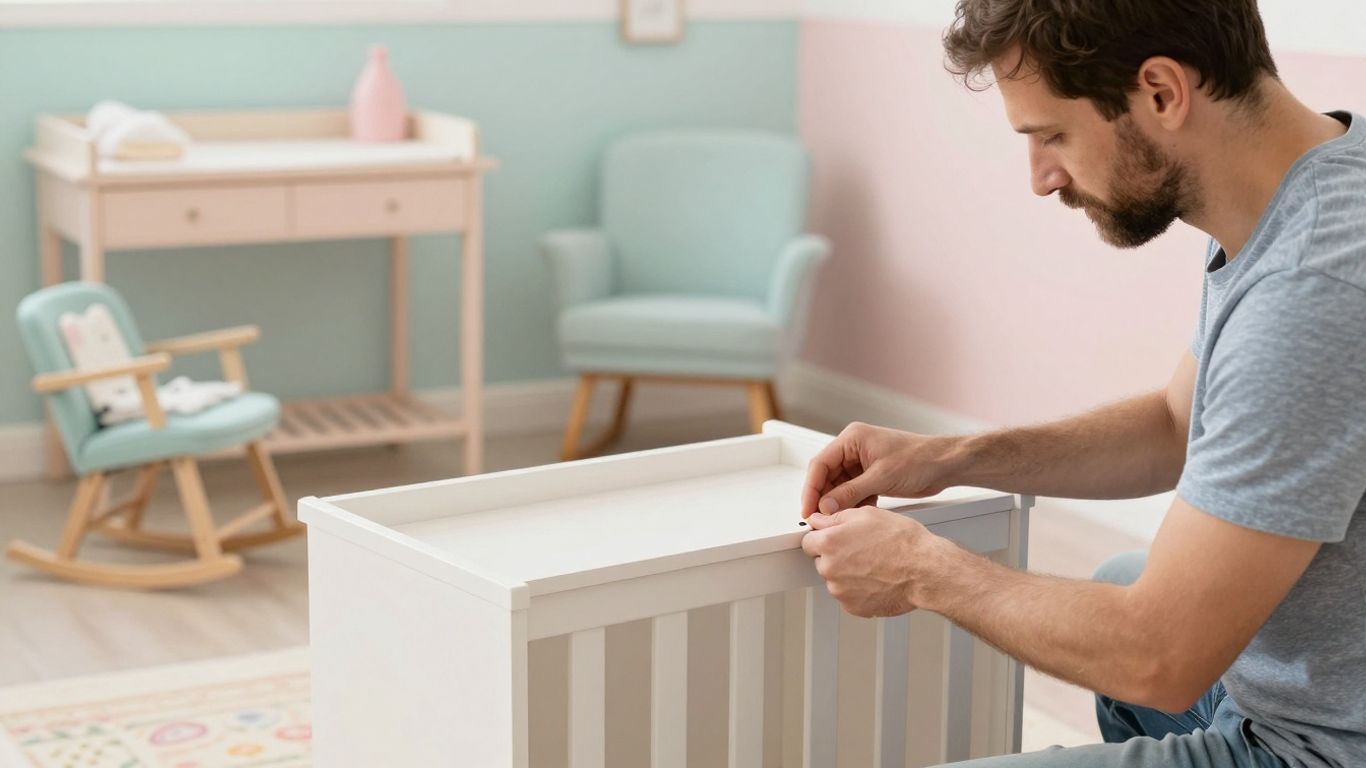
Alright dads-to-be, let's talk furniture. This isn't just about picking out a cute crib; it's about creating a safe and functional space for your little one. Think of it as your first big project as a parent. Getting the big stuff assembled and ready before the baby arrives will save you a ton of stress later.
When you're looking at furniture, the crib is obviously number one. Make sure it meets current safety standards – this is non-negotiable. Then there's the changing table. Some people opt for a dedicated table, while others use a changing pad on top of a dresser. Whatever you choose, make sure it's stable and at a comfortable height for you. A glider or rocking chair for the nursery is also a nice-to-have for those late-night feedings and cuddles. Don't forget storage! Baskets, shelves, and drawers will be your best friend for keeping all those tiny onesies and diapers organized.
Here's a quick rundown of what to prioritize:
- Crib: Safety first! Check for recalls and ensure it meets all current standards.
- Changing Station: Whether it's a table or a dresser topper, make sure it's secure and accessible.
- Storage Solutions: Bins, shelves, dressers – you'll need them all.
- Glider/Rocking Chair: For those peaceful (or not-so-peaceful) moments.
Putting furniture together can be a pain, especially when you're tired. If you're not handy, don't be afraid to ask for help or even hire someone. It's way better than wrestling with Allen keys at 2 AM with a crying baby. You might also want to consider baby registry options to help spread the cost and get exactly what you need.
Remember, the goal here is to create a safe haven. Focus on practicality and safety over just aesthetics. Your baby won't care if the dresser matches the curtains perfectly, but they will care if their crib is secure.
4. Diapers
Okay, let's talk diapers. This is one of those things you'll go through a LOT of, so stocking up is smart. Seriously, you'll be changing diapers more often than you think, especially in those first few weeks. It's not glamorous, but it's a big part of the job.
You'll want to have a good supply ready before the baby even gets here. Think about whether you're leaning towards disposable or cloth diapers. Each has its pros and cons, and it's worth a chat with your partner about what feels right for your family. If you're going with disposables, aim for a few different sizes because babies grow fast. A newborn size is a must, but don't go crazy buying too many of just one. You might need a size up sooner than you expect.
Here's a rough idea of what you might need:
- Newborn Size: Enough for about 8-10 changes a day. This can add up quickly!
- Size 1: Once baby outgrows newborn, you'll likely need these.
- Wipes: Don't forget these! You'll need plenty for cleaning up.
- Diaper Cream: A good barrier cream is your best friend for preventing rashes.
Getting the diaper situation sorted ahead of time means one less thing to worry about when you're sleep-deprived and trying to figure everything else out. It's a practical step that makes a big difference.
If you're curious about managing diaper duty like a pro, there are some great resources out there that go beyond just the basics of changing diapers. It's all about being prepared and having a system that works for you and your little one.
5. Baby Carrier
Okay, so you've got the car seat sorted, which is a big win. Now, let's talk about another piece of gear that's going to be your new best friend: the baby carrier. Seriously, this thing is a game-changer. It lets you keep your little one close while still having your hands free to, you know, actually do things. Think making a sandwich, answering the door, or just giving your partner a much-needed hug.
There are a bunch of different types out there, from wraps to structured carriers. It can feel a bit overwhelming trying to pick one, but the main goal is comfort and safety for both you and the baby. You'll want something that's adjustable and supports your baby's hips and spine properly. Practicing with it before the baby arrives is a smart move. Try it on with a stuffed animal or even just by yourself in front of a mirror to get the hang of the buckles and straps. It might feel a little awkward at first, but trust me, you'll get the hang of it. Getting comfortable with your baby carrier now means you won't be fumbling with it when you're already sleep-deprived and trying to soothe a crying infant.
Here are a few things to consider when picking one out:
- Type: Wraps are super cozy and customizable, while structured carriers often offer more back support for the wearer and are quicker to put on.
- Fit: Make sure it's adjustable for both you and your partner, and that it fits your baby's size and weight range.
- Ease of Use: Can you get it on and off easily? Can you adjust it without a struggle?
- Comfort: Both for you (think shoulder straps and waist belts) and for the baby (soft fabrics, good support).
Don't underestimate how much you'll use this. It's not just for hikes or long walks; it's for everyday life. Having a way to keep your baby secure and close while you tackle your to-do list is incredibly helpful. It's one of those items that makes you feel like you've got a bit of your old life back, even with a tiny human attached to you.
Remember, the hospital might have specific rules about what carriers are allowed for leaving, so it's good to have your primary choice ready to go. It's definitely worth adding to your baby registry if you haven't already!
6. Baby Clothes
Okay, let's talk baby clothes. They're undeniably adorable, right? Tiny socks, little onesies – it's easy to get carried away. But here's the thing: babies grow at lightning speed. What fits your little one today might be way too snug in just a few weeks. So, while it's fun to pick out cute outfits, focus on practicality first.
The key is to buy seasonally appropriate clothing. Think about the time of year your baby is due. If it's winter, you'll need warmer layers. If it's summer, lighter fabrics are your friend. Don't go overboard on newborn sizes; babies often skip that stage or grow out of it super fast. It's better to have a few outfits in each size range (newborn, 0-3 months, 3-6 months) than a closet full of things they'll never wear.
Here’s a quick rundown of what to consider:
- Onesies/Bodysuits: These are your everyday workhorses. Get a mix of short-sleeve and long-sleeve. They're great for layering.
- Sleepers/Pajamas: Look for ones with zippers or snaps that make nighttime changes easier. Footed onesies are super cozy.
- Pants/Leggings: Easy to pull on and pair with onesies.
- Socks/Booties: Keep those tiny feet warm.
- Outerwear (if needed): A light jacket or a warmer snowsuit depending on the season.
Remember to wash everything before your baby wears it. Use a gentle, baby-safe detergent to avoid irritating their sensitive skin. You can find some great baby-safe detergents online or at your local store.
It's easy to get caught up in the cuteness factor of baby clothes, but remember that comfort and practicality are paramount. Your baby will spend a lot of time sleeping and eating, so breathable fabrics and easy-to-manage closures are your best bet. Don't stress too much about having a massive wardrobe right away; you can always pick up more as you go.
7. Wipes
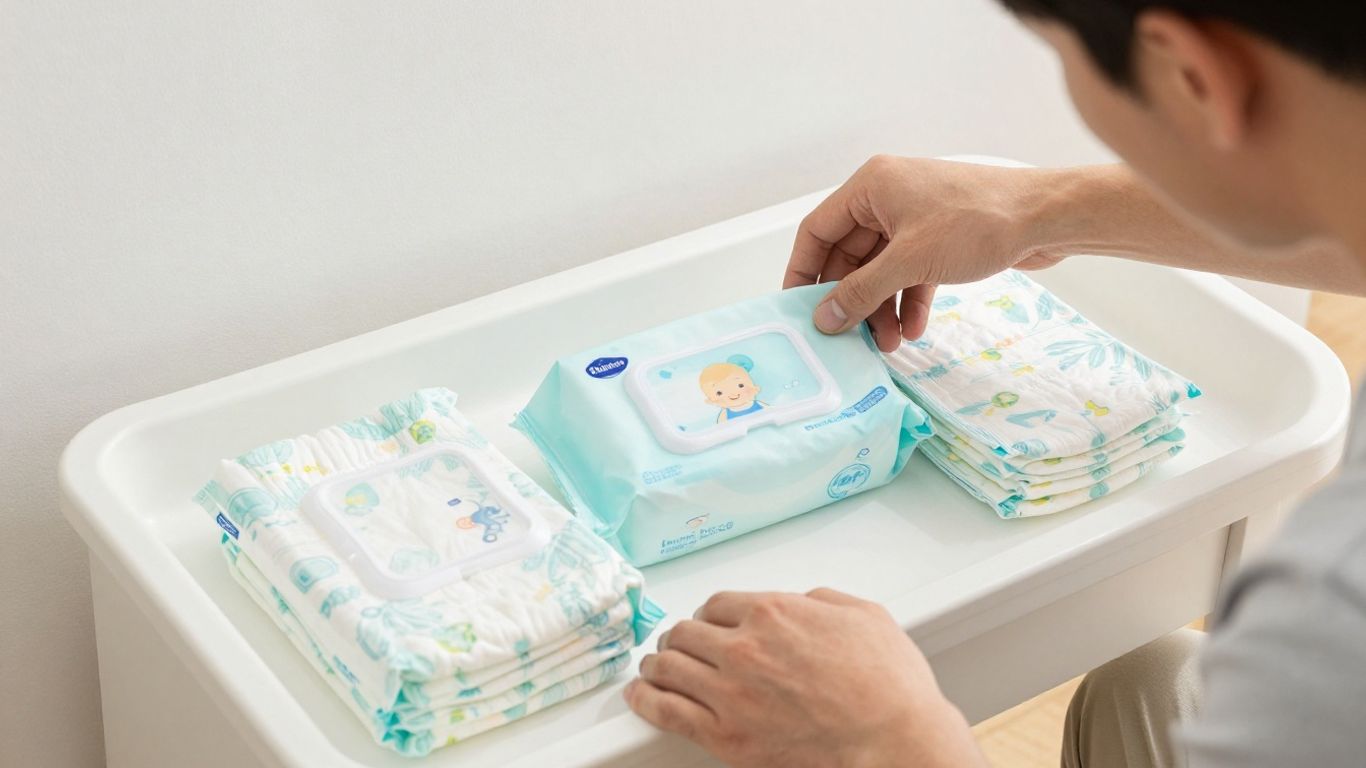
Okay, let's talk about wipes. You might think, 'How complicated can wipes be?' But trust me, you'll go through a mountain of them. Seriously, they're not just for diaper changes. Think sticky hands, messy faces, and those unexpected spit-ups. Having a good stash of baby wipes is non-negotiable.
When you're stocking up, don't just grab the first pack you see. Consider a few things. Are you going for sensitive skin options? Do you want unscented? Some parents swear by a wipe warmer, but honestly, a room-temperature wipe is usually just fine and avoids another gadget to plug in. Many parents find that having a variety of sizes and types can be helpful, especially in those early days. You'll want plenty for the diaper bag, the changing station, and maybe even a small pack in the car.
Here's a quick rundown of why you need so many:
- Diaper Changes: This is the obvious one. Newborns can go through 10-12 diapers a day, and each one needs a good wipe-down.
- Feeding Messes: Babies are messy eaters, even before they start solids. Expect dribbles, spills, and general food chaos.
- General Clean-ups: From drool to snot to whatever else life throws at you, wipes are your go-to for quick clean-ups.
It's easy to underestimate how many you'll need, so err on the side of buying more than you think. You can always use them later or donate unopened packs if you overdo it. It's better to have too many than to be caught without them when you really need them. You can find bulk packs online or at warehouse stores, which can save you a few bucks. Just make sure you have a plan for storing them so they don't dry out before you can use them. Stocking up on essentials like these will make those first few weeks much smoother.
8. Nappy Rash Cream
Okay, let's talk about the less glamorous, but totally necessary, stuff: nappy rash cream. You might think, 'How hard can it be?' But trust me, when your little one is red and uncomfortable, you'll be glad you have this on hand. It's one of those things that seems simple, but having the right kind makes a big difference.
Think of it as your first line of defense against those pesky red bottoms. When a nappy stays on too long, or if your baby has sensitive skin, a rash can pop up fast. It's not just about comfort; a bad rash can make diaper changes a real struggle for everyone involved.
Here’s a quick rundown of what to consider:
- Types of Cream: Most creams are zinc-oxide based. Some are thicker pastes, which are great for creating a barrier, while others are more like lotions. For a really sore rash, a thick paste is usually the way to go. You can find some good options at your local drugstore.
- When to Use It: You can use it preventatively at every nappy change, especially overnight when nappies stay on longer. If you notice any redness, apply a generous layer.
- Application: Make sure the area is clean and dry before applying. You don't need to rub it in like lotion; just create a nice, thick layer. It's like putting on sunscreen for their bum!
It's a good idea to have a couple of different types on hand. Sometimes one works better than another for your specific baby. And remember, if the rash looks really bad or doesn't improve after a few days, it's always best to check in with your pediatrician.
Don't underestimate the power of a good nappy rash cream. It's a small thing that can make a huge difference in keeping your baby happy and comfortable. Having a good zinc-oxide paste ready to go will save you a lot of stress down the line.
9. Frozen Meals
Okay, so you've got the hospital bag packed, the car seat installed, and maybe even a few onesies ready to go. But let's talk about the real MVP of those first few weeks: food. Specifically, food that requires zero effort. Stocking your freezer with pre-made meals is a game-changer for new parents.
Think about it. After a long night (or three) of feeding and changing, the last thing you'll want to do is chop onions or stand over a hot stove. Having a freezer full of delicious, easy-to-reheat meals means you can grab something wholesome without breaking a sweat. It's a lifesaver when you're running on fumes and just need sustenance.
Here’s a quick rundown on how to get this done:
- Choose meals that freeze well. Think casseroles, stews, pasta bakes, chili, and soups. Anything that holds its texture after thawing is a winner.
- Portion them out. Single or double servings are ideal. This way, you can just grab what you need for one meal.
- Label everything. Seriously, don't skip this. Write the name of the dish and the reheating instructions (microwave, oven, etc.) on the container. You don't want to be guessing what's what at 3 AM.
- Consider variety. Try to include a mix of proteins, veggies, and carbs so you're not eating the same thing every night.
You can totally do this yourself over a weekend, or if you're lucky, friends and family might offer to help out with some postpartum freezer meals. Either way, the goal is to have a stash ready to go.
Don't forget to think about breakfast and lunch too! Muffins, breakfast burritos, or even just a big batch of soup can be incredibly helpful. It’s all about making life a little bit easier when the baby arrives. You'll be so glad you took the time to prepare these thoughtful freezer meals when you're in the thick of it.
10. Baby Monitor
Okay, so you've got the crib set up, the diapers are stocked, and you're pretty sure you know how to change a diaper without causing a major incident. What's next on the dad prep list? A baby monitor. This isn't just some fancy gadget; it's your eyes and ears when you can't be in the room. Think of it as your personal baby-watching sidekick.
There are a bunch of different types out there, and honestly, it can get a little confusing. You've got your basic audio monitors, which are pretty straightforward – you hear baby when they fuss. Then there are video monitors, which let you see your little one, and some even have fancy features like night vision or two-way talk so you can soothe them from another room. Some of the newer ones connect to your phone, which is pretty wild. It means you can check in from work (if you're brave enough!) or even when you're out grabbing groceries.
When you're picking one out, think about what you really need. Do you want to see your baby, or just hear them? How big is your house? You'll want to make sure the signal reaches everywhere. Also, consider security – you don't want just anyone tuning into your baby's nap time.
- Audio Monitors: Simple, reliable, and usually the most budget-friendly. Great if you just need to know when baby wakes up.
- Video Monitors: Lets you see your baby, which can be super reassuring. Look for good picture quality, especially in low light.
- Smart Monitors: Connect to Wi-Fi and your smartphone. Offer remote viewing and often extra features like temperature alerts or breathing sensors.
Don't overthink it too much. The goal is peace of mind. A good monitor helps you relax a bit, knowing you'll be alerted if your baby needs you. It's one of those things that makes the transition into parenthood just a little bit smoother.
Seriously, getting a reliable baby monitor is a smart move. It gives you a bit of freedom to move around the house or even step outside for a breath of fresh air, all while staying connected to your little one. It's a game-changer for keeping tabs on your baby's sleep and play without hovering constantly. You can find a good newborn essentials list that might include recommendations for these.
When it comes to keeping your little one safe and sound, a good baby monitor is a must-have. These handy gadgets let you check in on your baby from another room, giving you peace of mind. From simple audio devices to video monitors with all the bells and whistles, there's an option for every family. Want to learn more about choosing the perfect monitor for your needs? Visit our website today!
You Got This, Dad!
Alright, so you've tackled the prep list, and that's a huge win. It might feel like a lot right now, but honestly, getting these things done means you're already showing up big time for your partner and your new little one. Think of it as building your dad-superpowers. Once the baby arrives, things will get wild, but you'll have this solid foundation. Now, take a breath, maybe grab a quick nap, because you've done the hard part of getting ready. The real adventure is just beginning, and you're totally equipped to handle it.
Frequently Asked Questions
When should I pack my hospital bag?
It's a good idea to have your hospital bag packed and ready to go by about 35 weeks into the pregnancy. Babies can sometimes arrive a bit earlier than expected, so being prepared helps avoid any last-minute rushing.
What kind of baby furniture do I need?
You'll need essentials like a crib or bassinet, a changing table or pad, and a comfortable chair for feeding. It's best to discuss with your partner what you both feel is necessary and what fits your space and parenting style.
How many diapers and wipes should I buy beforehand?
Stocking up on about a month's worth of diapers and wipes is a good plan. Newborns go through a lot – think 8-10 disposable diapers or up to 15 cloth diapers a day. You don't want to be running to the store constantly right after the baby arrives.
Why is freezing meals important?
Cooking and freezing meals ahead of time is a lifesaver. After the baby is born, you and your partner will likely be tired and won't have much energy for cooking. Having ready-to-reheat meals means you can still eat well without the effort.
What is a baby monitor for?
A baby monitor lets you keep an ear or eye on your baby when they are sleeping in another room. It gives you peace of mind knowing you can hear or see them if they stir or need something, allowing you to do other tasks around the house.
Should I take parenting classes?
Yes, attending parenting classes with your partner is highly recommended! They teach you about labor, delivery, breastfeeding, and how to care for your newborn. It helps dads feel more prepared and confident in supporting their partner and caring for the baby.
Ready to get prepared?
Build your personalized pregnancy checklist
Free, personalized, and built around your birth plan, budget, and due date.
Start My Checklist — Free →