What Do You Actually Need for a Newborn? The Real List
Wondering what do you need for a newborn? Discover the real list of essentials for baby's first weeks and beyond. Prepare with confidence!

Getting ready for a new baby is super exciting, right? But honestly, figuring out what you actually need for a newborn can feel like a huge task. The stores are packed with stuff, and everyone has an opinion. We've sifted through the noise to give you the real list of what you truly need, saving you time, money, and a lot of clutter. Let's focus on the essentials that will make those first few months smoother for you and your little one.
Key Takeaways
- Focus on versatile clothing like onesies and sleepers, and get enough to manage laundry cycles. Seasonal outerwear can wait until you know the weather.
- A safe sleep space is paramount. Choose a firm crib mattress and a snug-fitting sheet. Swaddling blankets can help with comfort and sleep.
- For diapering, stock up on newborn diapers and wipes, and have diaper cream ready. Gentle soaps and soft towels are good for bath time.
- When it comes to feeding, gather supplies based on your chosen method (breast or bottle), and don't forget burp cloths for inevitable messes.
- Safety items like an infant car seat and a stroller suited to your life are important for outings. A basic first-aid kit and nail care tools offer peace of mind.
Essential Baby Clothing For Those First Weeks
Okay, let's talk clothes. When that little one arrives, they're going to need something to wear, obviously. But honestly, you don't need a closet overflowing with tiny outfits right away. Think practical, think comfy, and think about how much laundry you'll actually be doing.
Onesies And Bodysuits: The Foundation Of Baby's Wardrobe
These are your workhorses. Seriously, you'll probably live in these for the first few months. They're easy to put on, easy to take off, and they keep that diaper area covered. Aim for a good handful of these, maybe 5-7, in both short and long sleeves depending on the season. You can always add more if you find yourself doing laundry every other day. It's also super helpful to have a few pairs of soft pants to go over them when it's a bit cooler.
Sleepers And Pajamas: For Cozy Nights And Naps
When it's time to sleep, you want something soft and easy. Zippered sleepers are a lifesaver, trust me. Trying to button up a tiny sleeper in the middle of the night when you're half asleep is a challenge you don't need. Look for ones that go all the way down the legs. Having about 4-6 of these should get you through a few days between washes.
Seasonal Outerwear And Accessories: Staying Comfortable Year-Round
This is where you can really tailor things to where you live. If your baby is born in the summer, a heavy jacket is probably not going to be on your immediate list. A light hat for sun protection might be more useful. For colder months, a warm hat and some cozy socks or booties are a must. Mittens are also a good idea to prevent those tiny fingernails from scratching their face. You probably only need a couple of pairs of socks and a hat or two to start.
Don't get too caught up in the 'cute' outfits for the very beginning. Those adorable little dresses or button-up shirts are often more trouble than they're worth when you're dealing with frequent diaper changes and spit-ups. Stick to soft, easy-to-manage pieces that make your life simpler during those first few weeks. You can always dress them up later!
Creating A Safe And Serene Sleep Space
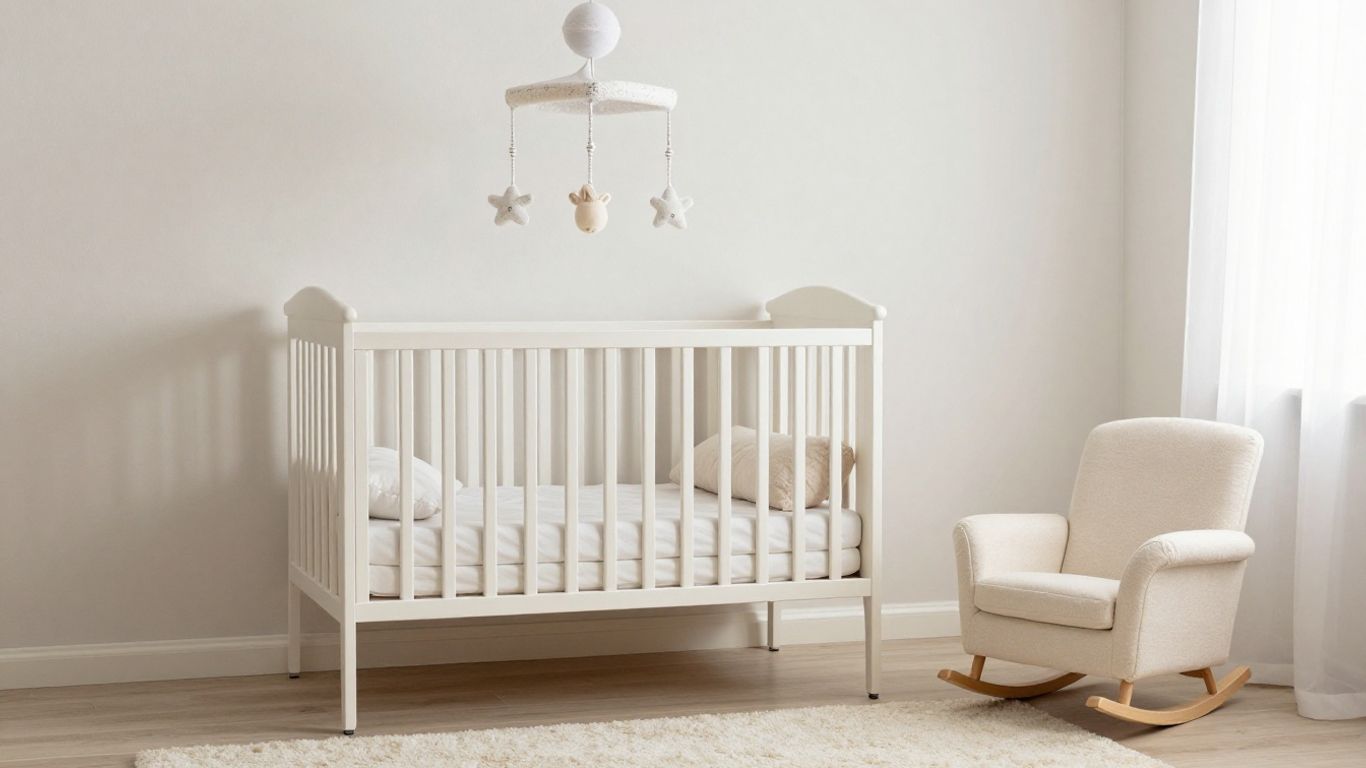
Getting your little one settled for sleep is a big deal, and setting up their sleep space right from the start makes a world of difference. It’s not just about a crib; it’s about creating a whole environment that signals safety and comfort. The goal is a peaceful place where your baby can rest soundly, and you can get a little peace of mind too.
Choosing The Right Crib Or Bassinet
When it comes to where your baby will sleep, you have a couple of main options: a crib or a bassinet. A bassinet is great for those first few months because it’s smaller and can be kept right next to your bed, making nighttime feedings and checks super easy. Think of it as a cozy, contained spot for your newborn. Many parents find that having the bassinet close by helps with the transition from the hospital to home. Once your baby outgrows the bassinet, a crib becomes the main sleep station. You can find cribs in all sorts of styles, from basic wooden ones to more elaborate models. Don't forget to check out second-hand options too; you might find a gem! Some cribs even convert as your child grows, which is a nice bonus.
Mattress And Bedding Essentials For Safety
This is where safety really comes into play. You'll need a firm, flat mattress that fits snugly into the crib or bassinet. There should be no gaps between the mattress and the sides of the sleep space. This is super important to prevent any entrapment risks. You’ll also want a couple of fitted sheets and a waterproof mattress cover. Accidents happen, and a waterproof cover makes cleanup so much easier. Some parents like to "lasagna layer" their bedding, meaning they put a waterproof pad and sheet, then another pad and sheet on top. This way, if there's a mess in the night, you can just peel off the top layer and you're ready to go again without a full bedding change. Remember, for the first year, the safest crib is an empty crib – no pillows, blankets, or bumpers.
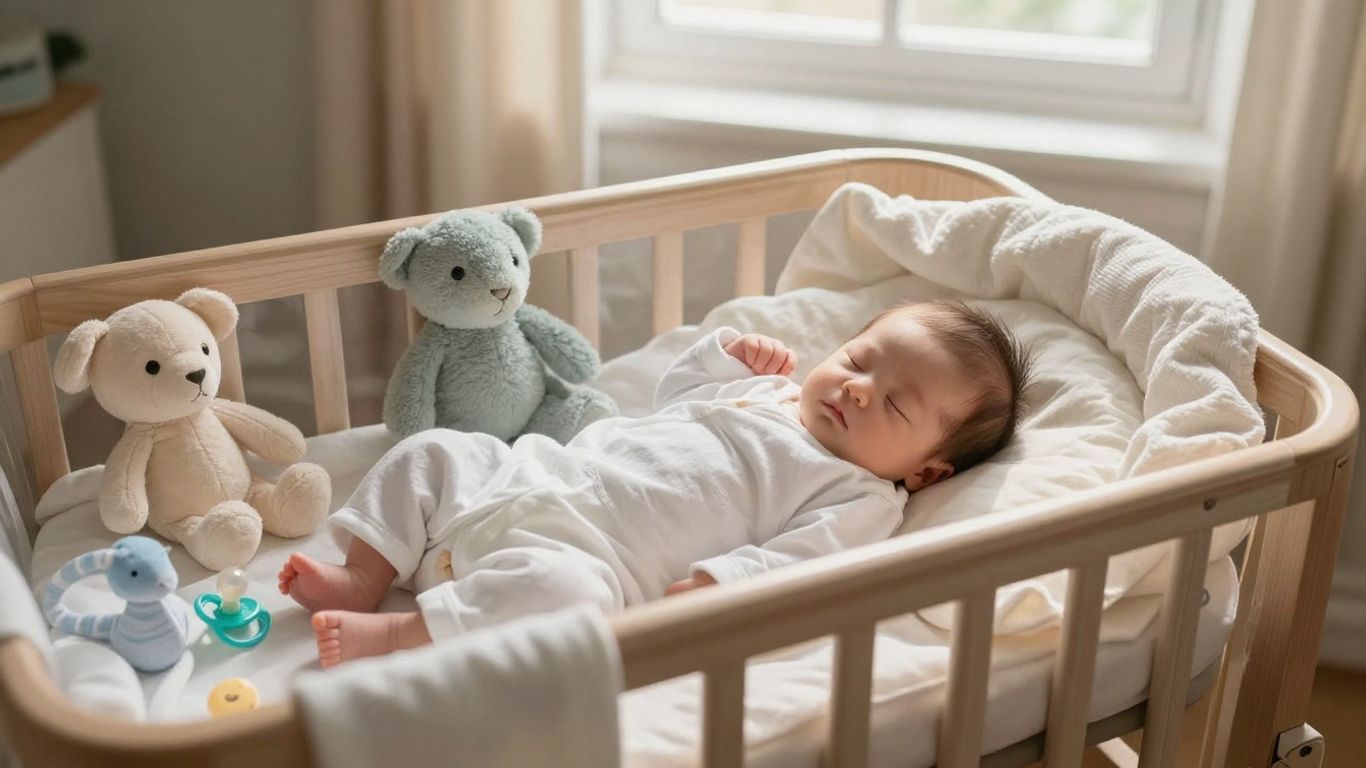
Keeping the sleep area clear of loose items is paramount. Soft bedding, bumpers, and stuffed animals, while they might look cute, can pose suffocation risks. Stick to a fitted sheet on a firm mattress for the safest sleep environment.
Swaddling Blankets For Comfort And Security
Swaddling can be a game-changer for many newborns. It mimics the snug feeling of the womb, which can help them feel secure and sleep better. There are a few ways to go about this. Traditional muslin swaddle blankets are versatile and can also be used as light blankets or burp cloths later on. Then there are the easier-to-use velcro or zip-up swaddles, which many parents swear by because they keep baby snug without coming undone. Some babies, however, aren't fans of being swaddled at all and might prefer sleep sacks instead. It's a good idea to have a mix of both on hand to see what your little one prefers. You can find a great personalized checklist to help you figure out what you might need based on your specific situation.
Diapering And Bath Time Must-Haves
Alright, let's talk about the nitty-gritty: keeping your little one clean and dry. This is where things can get a little messy, but with the right gear, it's totally manageable. You'll be changing diapers more often than you think, so stocking up is key.
Diapering Supplies: Keeping Baby Clean And Dry
Newborns go through a surprising number of diapers. We're talking 10 to 12 a day, sometimes more! So, having a good supply on hand is non-negotiable. You don't need a fancy diaper pail; a regular trash can works just fine. Just make sure to empty it regularly.
- Diapers: Grab a couple of large boxes of newborn-sized diapers. It's better to have too many than to run out.
- Wipes: Unscented baby wipes are your best friend. Get a couple of large packs.
- Diaper Cream: A good diaper cream is a lifesaver for preventing and treating rash. Keep at least two large tubes handy.
Don't overthink the diapering setup. A changing pad on a dresser or even a thick blanket on the floor can work perfectly well. The goal is just a clean, safe surface.
Gentle Bathing Essentials For Sensitive Skin
Bath time can be a lovely bonding experience, but baby skin is super delicate. You want to use products that are mild and free from harsh chemicals or strong fragrances. You don't need a special baby bathtub either; a clean sink or even a regular basin can do the trick. Just be sure the water temperature is just right – your wrist is a great thermometer!
- Baby Wash/Soap: Opt for a fragrance-free, gentle cleanser. Some parents even use a simple, unscented bar soap.
- Soft Washcloths: You'll need a few for gently cleaning your baby.
- Baby Lotion or Balm: After the bath, a little moisturizer can keep their skin soft. Badger Baby Balm is a popular choice for its natural ingredients.
Towels And Changing Accessories
After the bath, you'll need something soft and absorbent to dry your little one off. Hooded towels are cute and help keep their head warm, but any soft towel will do. For changing, a portable changing pad is handy for when you're on the go or if you don't have a dedicated changing station. It makes cleanups much easier, especially for those unexpected messes. Having a few burp cloths ready is also a smart move, whether you're breastfeeding or bottle-feeding; they're great for catching spit-up and protecting your clothes. You can find a good range of diapering and bathing supplies online or at your local store.
Feeding Your Little One: What You Truly Need
Feeding your baby is obviously a big one, and honestly, there's no single 'right' way to do it. Whether you're exclusively breastfeeding, exclusively formula feeding, or somewhere in between, the goal is a happy, well-fed baby. Don't let anyone tell you your method is wrong! We're going to break down what you might actually need, keeping it simple.
Breastfeeding Support: Pumps and Accessories
If you plan to breastfeed, a good breast pump can be a lifesaver. It allows you to store milk for when you need a break or for someone else to feed the baby. Many insurance plans cover the cost of a pump, so definitely look into that. Beyond the pump itself, you'll want a few other things to make the journey smoother. Think about milk storage bags or containers to keep your pumped milk fresh. Nursing pads are also a good idea to manage leaks, and nipple cream can offer some much-needed relief. Having a comfortable nursing pillow can make a world of difference during those long feeding sessions, too. It's all about making breastfeeding as comfortable and manageable as possible for you and your little one. You can find helpful nursing accessories to support your breastfeeding journey.
Bottle Feeding Essentials: Bottles, Nipples, and Brushes
Even if you're breastfeeding, having a few bottles on hand is a smart move. It's great for when you want to share feeding duties or if you need to be away from your baby for a bit. You don't need a huge collection to start; maybe 6-8 bottles should be plenty. Pay attention to the nipples – babies can be picky! Some bottles come with different flow rates, so you might need to experiment a bit to see what your baby likes best. And don't forget a good bottle brush. It's surprisingly effective at getting into all those nooks and crannies to make sure bottles are truly clean. If you're using formula, it's wise to buy just a couple of small containers at first. You don't want to end up with a big tub of something your baby doesn't agree with. Always check those expiration dates, too!
Burp Cloths and Bibs: For Messy Moments
Babies spit up. It's just a fact of life. And sometimes, they drool. A lot. So, having a good stack of burp cloths or bibs is non-negotiable. These will save your clothes (and theirs!) from a lot of milky messes. You can never really have too many. Keep some in the diaper bag, some by the changing station, and some near where you usually feed the baby. It sounds simple, but trust me, you'll be reaching for them constantly.
Don't feel pressured to buy every feeding gadget out there. Focus on the basics that work for your chosen feeding method. Simplicity is often best when it comes to feeding your newborn.
On-The-Go Gear For New Adventures
Getting out and about with a new baby can feel like a big undertaking, but with the right gear, it becomes much more manageable. You don't need a whole lot of fancy gadgets, just a few smart choices that make life easier for you and more comfortable for your little one. The key is practicality and safety above all else.
Infant Car Seat: Safety First For Travel
This is non-negotiable. Your baby's safety in the car is paramount, and an infant car seat is designed specifically for newborns. Look for one that's easy to install correctly – this is where many parents stumble. Many come as part of a travel system with a stroller, which can be super convenient. When choosing, check the weight and height limits to make sure it'll last a good while. Remember, second-hand car seats are generally not recommended because you can't be sure they haven't been in an accident or if all the parts are intact. It's worth investing in a new one for peace of mind.
Choosing The Right Stroller For Your Lifestyle
Strollers come in all shapes and sizes, and the 'best' one really depends on how you plan to use it. Are you mostly walking on smooth sidewalks? Do you live in a city and need something compact for public transport? Or are you an off-road adventurer?
Here's a quick breakdown:
- Travel Systems: These include a compatible infant car seat that clicks into the stroller. Great for not disturbing a sleeping baby.
- Lightweight/Umbrella Strollers: Perfect for quick trips and easy to fold, but might not offer as much cushioning or storage.
- All-Terrain Strollers: Built with larger wheels and better suspension for bumpy paths, parks, or trails.
- Double Strollers: If you have twins or kids close in age, this is a must.
Think about where you'll be going most often. You might even find that you need two different types of strollers over time. For a comprehensive packing list for trips, check out this guide on baby travel gear.
Diaper Bag Alternatives: Practicality Over Prettiness
Forget those overly-designed, cutesy diaper bags if they don't work for you. Many parents find that a well-organized backpack or even a large tote bag works just as well, if not better. The most important features are:
- Plenty of Pockets: To keep things organized and easy to find.
- Easy to Clean Material: Because, well, it's a diaper bag.
- Comfortable Straps: Especially if you plan on carrying it for extended periods.
Some backpacks even have a built-in changing pad, which is a nice bonus. You'll want to pack the essentials like diapers, wipes, a change of clothes, and a burp cloth. Having a dedicated bag for baby items, whether it's a traditional diaper bag or not, helps keep everything you need for outings in one place. For a good idea of what to pack, consider these essential travel items.
When you're heading out, remember that simplicity is often the best policy. You don't need to bring the entire nursery with you. Focus on the absolute necessities for your baby's comfort and safety, and you'll find that most outings become much less daunting.
Health And Safety Essentials For Peace Of Mind
Okay, let's talk about the stuff that really matters when it comes to keeping your little one safe and sound. It’s easy to get overwhelmed with all the gadgets out there, but focusing on a few key items can make a big difference. Think of these as your go-to tools for those moments when you just need to be sure your baby is okay.
Baby Nail Care: Keeping Tiny Nails Tidy
Those little fingers and toes come with surprisingly sharp nails. Seriously, they can scratch themselves (and you!) in a blink. Having a good pair of baby nail clippers or a gentle emery board is a must. You don't need anything fancy, just something that works without causing fuss. The goal is to keep those tiny nails short and smooth. It might take a bit of practice to get the hang of it, especially when your baby is wiggly, but it’s totally doable.
Accurate Thermometers For Monitoring Health
When your baby feels a little warm, you want to know for sure if they have a fever. For newborns, a rectal thermometer is generally considered the most accurate way to get a temperature reading. It might sound a bit old-school, but it gives you the clearest picture. Having a reliable digital thermometer ready to go can save you a lot of worry. Keep it somewhere easily accessible, just in case.
A Basic Baby First-Aid Kit
This isn't about preparing for major emergencies, but rather having the basics on hand for minor boo-boos. Think of it as your baby's personal mini-clinic. You'll want to include things like:
- A nasal aspirator or bulb syringe for clearing stuffy noses.
- Antiseptic wipes for cleaning small scrapes.
- Round-tipped scissors (though clippers are often easier for nails).
- A few child-sized bandages.
- Infant pain reliever (like acetaminophen), but always check with your pediatrician before using.
Having these items gathered together means you won't be scrambling when a small issue pops up. It's about being prepared for the little things so you can focus on the big picture of caring for your baby. You can find more information on creating a safe environment for your baby, including first-aid basics, on pages related to baby safety.
It's really about having a few reliable tools that give you confidence. You don't need a whole pharmacy, just the essentials to handle common, minor baby issues. This way, you can feel more prepared and less stressed about the unexpected.
Playtime And Development: Simple Joys
Babies don't need a whole lot of fancy gadgets to keep them entertained, especially in those first few weeks. Honestly, they're more interested in looking at your face or listening to your voice than any bright, noisy toy. But as they start to grow a bit, simple items can really help them explore and learn.
Engaging Toys For Tummy Time
Tummy time is super important for building strength, and having a few things to look at can make it more fun. You don't need a whole play gym right away. A soft mat is a good start. Then, add a few things that catch their eye. Think about items that are easy for them to see and maybe even touch.
- A soft play mat: Gives them a comfortable space to lie on.
- A baby-safe mirror: Babies are fascinated by faces, especially their own!
- A soft, crinkly toy: The sound and texture can be really engaging.
Around two months, you might notice them starting to lift their head a bit more during tummy time. It’s amazing to see those little muscles working! Physical development milestones are so interesting to watch.
Soft Books And Rattles To Stimulate Senses
Books aren't just for reading later. For a newborn, high-contrast board books are fantastic. The bold patterns and simple images help their developing vision. Rattles are also great because they introduce cause and effect – shake it, and it makes a noise! It’s a simple way to get them interacting with the world around them.
- High-contrast board books: Look for black and white or bold primary colors.
- Soft rattles: Choose ones that are easy for tiny hands to hold (or for you to shake for them).
- Textured toys: Different fabrics and bumps can help with sensory exploration.
Remember, the most engaging 'toy' for your newborn is you. Talking, singing, and just being present are the best ways to connect and help them learn.
Pacifiers For Comfort And Soothing
While not strictly a 'toy', pacifiers can be a lifesaver for soothing a fussy baby. They provide a comfort mechanism that can help them settle down. If you choose to use pacifiers, having a couple on hand is a good idea. It’s also helpful to have a way to keep them clean, like a small pouch or case.
- One or two pacifiers: Start with a basic model.
- A pacifier clip: To attach to their clothes so it doesn't get lost.
- A travel case: For keeping a spare clean and ready.
These simple items are all about gentle interaction and helping your baby discover their world. It’s amazing how much they learn just from everyday moments and gentle interactions. You've got this!
Simple joys during playtime are super important for kids. It's not just about fun; it's how they learn and grow! Watching them explore and discover new things is amazing. Want to make sure you're ready for all those exciting moments? Visit our website to get a personalized checklist that helps you prepare for your baby's arrival without any stress.
So, What's the Verdict?
Phew! We've gone through a lot, haven't we? It can feel like a mountain of stuff when you're getting ready for a new baby. But remember, most of it is just stuff. The real magic happens with cuddles, patience, and a whole lot of love. Don't get too caught up in having the 'perfect' setup. Focus on what truly matters – you and your little one settling in together. You've got this, and honestly, you'll figure out what works best for your family as you go. Enjoy the ride!
Frequently Asked Questions
What are the absolute must-have items for a newborn?
For the first few weeks, focus on the essentials. You'll definitely need several onesies and sleepers for your baby to wear. A safe place to sleep, like a crib or bassinet with a firm mattress and fitted sheets, is crucial. Don't forget plenty of diapers and wipes, plus a few gentle soaps and soft towels for bath time. For feeding, have bottles or nursing supplies ready, along with burp cloths. A safe infant car seat is vital for any travel outside the home.
How many baby clothes should I really buy?
It's easy to get carried away with cute outfits, but newborns grow fast! Aim for about 6-10 onesies and the same number of sleepers. These are the workhorses of a baby's wardrobe. You might also want a couple of cardigans and a seasonally appropriate outerwear piece if needed. Many parents receive baby clothes as gifts, so it's wise to start with a smaller amount and see what you end up with.
What's the most important safety gear for a new baby?
Safety is key! A properly installed, rear-facing infant car seat is non-negotiable for car travel. For sleep, ensure the crib or bassinet meets current safety standards, with no loose bedding or large gaps. Avoid bumpers, pillows, and stuffed animals in the crib as they can be suffocation hazards. Always buy new car seats and crib mattresses, as older or used ones might not be safe.
Do I need a special changing table and diaper pail?
Not necessarily! While a dedicated changing table can be convenient, you can easily use a waterproof changing pad or a soft blanket on top of a dresser, bed, or even the floor. Similarly, a diaper pail isn't essential. You can simply put used diapers in a lined trash can with a lid. The goal is to have a safe and clean spot for diaper changes, not necessarily fancy furniture.
What feeding supplies are truly necessary?
This depends on how you plan to feed your baby. If breastfeeding, a good pump (often covered by insurance), milk storage bags, and nursing pads can be helpful. For bottle-feeding, start with 8-10 bottles and nipples, a bottle brush for cleaning, and formula if you're not breastfeeding. Burp cloths are a must-have for both methods, as babies tend to spit up. You don't need a bottle warmer; room temperature water or a bowl of warm water works fine.
Are there baby items I can probably skip buying?
Yes, many! Things like wipe warmers, bottle sterilizers (good washing is usually enough), baby shoes (they aren't walking yet), and elaborate crib decorations are often unnecessary. Many parents also find they don't use specialized baby tubs or diaper bags, opting for a regular tote or backpack instead. Focus on the essentials and remember you can always buy things later if you find you really need them.
Ready to get prepared?
Build your personalized pregnancy checklist
Free, personalized, and built around your birth plan, budget, and due date.
Start My Checklist — Free →