Baby Registry Must-Haves: The Essential List for 2026
Discover essential baby registry must-haves for 2026! Our guide covers nursery, feeding, travel & more for a stress-free start.

Putting together a baby registry can feel like a lot, right? So many things to consider, and you just want to make sure you have what you actually need. This list is here to help cut through the noise for 2026. We've looked at what parents really use and what makes life a bit easier when your new little one arrives. Forget the fancy gadgets you'll never touch; we're focusing on the real baby registry must haves that will get you through those first few months and beyond.
Key Takeaways
- Focus on safe sleep: A firm mattress, fitted sheets, and sleep sacks are non-negotiable for your baby's nursery.
- Diapering is constant: Stock up on gentle wipes and diapers, and set up an organized changing station.
- Feeding made easier: Whether breastfeeding or bottle-feeding, have the right support like a good pump or anti-colic bottles.
- Travel smart: A safe car seat and a comfy stroller are important for getting out and about.
- Health and safety first: Have a thermometer and basic baby care items ready for common needs.
Nursery Necessities for a Serene Sleep Space
Creating a peaceful nursery is all about setting up a safe and calming environment for your little one to drift off to sleep. It’s more than just picking out cute furniture; it’s about thoughtful choices that promote rest for both baby and you.
Creating a Safe Sleep Environment
Safety is the absolute top priority when it comes to baby sleep. The American Academy of Pediatrics has clear guidelines to follow. Always place your baby on their back to sleep, on a firm, flat surface. This means no soft bedding, no pillows, no bumpers, and definitely no stuffed animals in the crib. Room-sharing, where the baby sleeps in your room but in their own separate sleep space like a bassinet or crib, is recommended for at least the first six months. This setup helps with nighttime feedings and monitoring, and it's linked to a lower risk of SIDS. You'll want to make sure your crib mattress is firm and fits snugly in the crib, with no gaps around the edges. A waterproof mattress protector is a lifesaver for those inevitable messes.
Essential Sleepwear and Bedding
When it comes to bedding, think simple and safe. Forget loose blankets; they're a suffocation hazard. Instead, opt for sleep sacks or wearable blankets. These come in different TOG ratings, which indicate how warm they are. You'll want a few different TOGs depending on the season and your home's temperature. For newborns, swaddles can be great for that snug, womb-like feeling, but make sure they're not too tight around the hips. Having about 3-4 fitted crib sheets is a good starting point, as you'll want a clean one ready to go at all times. It’s a good idea to have a few sleep sacks in varying TOG ratings, especially if your baby is born in a transitional season. For example, a summer baby might start with a 0.5 TOG and need a 2.5 TOG for cooler fall nights. You can find a helpful guide to TOG ratings to pick the right ones.
Comforting Ambiance for Restful Nights
Beyond the physical setup, creating a calming atmosphere is key. A white noise machine or sound machine can work wonders, masking sudden noises that might startle your baby awake. Look for one with adjustable volume and different sound options. A dim night light, preferably with a warm or red tone, is helpful for those late-night diaper changes or feedings without being too stimulating. Blackout curtains are also a game-changer, helping to keep the room dark and signaling to your baby that it's time to sleep, even if it's bright outside. Some parents find a gentle rocking chair or glider incredibly soothing for nighttime cuddles and feeding sessions. A well-prepared nursery can make a big difference in establishing good sleep habits from the start. You might find a personalized checklist helpful as you prepare, like those offered by BumpReady.
Diapering and Baby Care Essentials
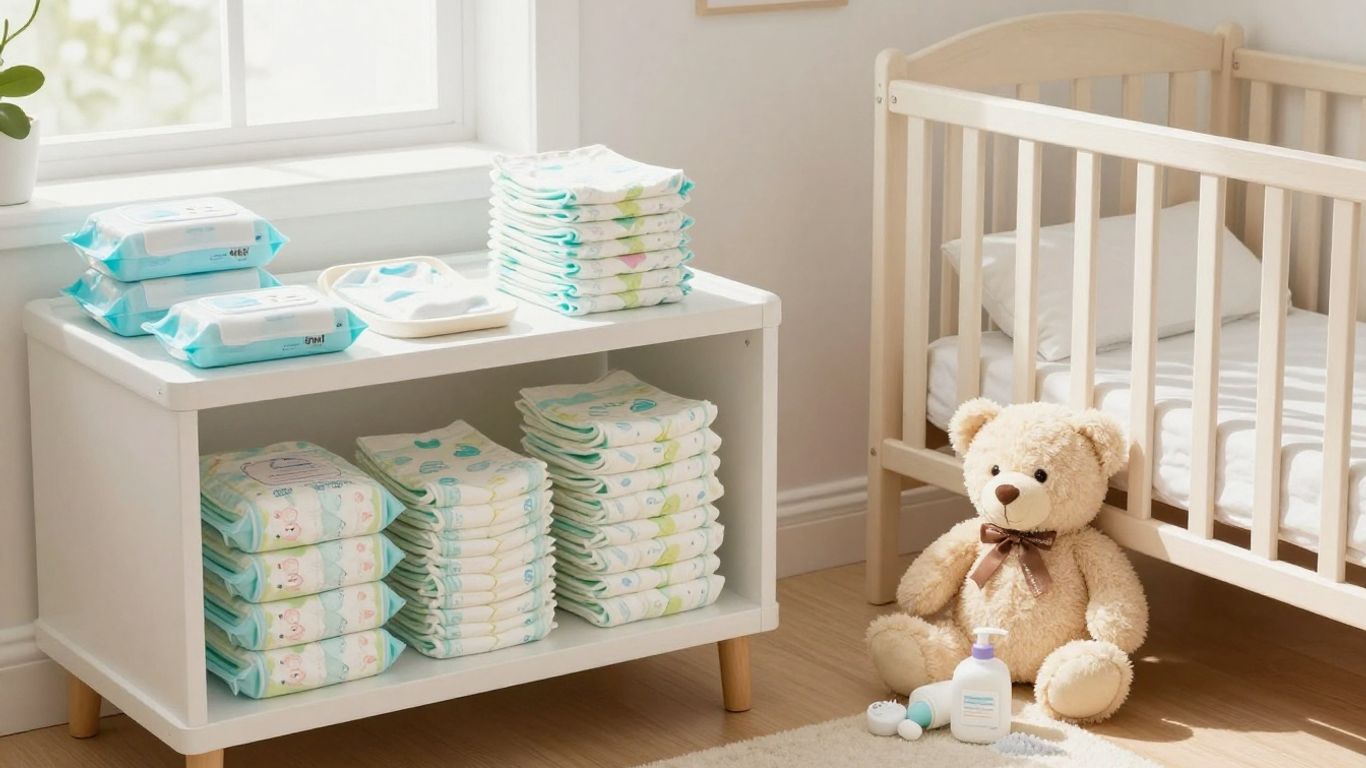
Let's talk about the nitty-gritty: diapering and keeping your little one clean. It might not be the most glamorous part of parenting, but having the right supplies makes a world of difference. You'll be changing diapers more often than you can count, so being prepared is key.
Stocking Your Diapering Station
When it comes to diapering, think about convenience and cleanliness. You'll want everything within arm's reach. A diaper caddy is a lifesaver for keeping essentials organized, whether it's by the changing table or even in the living room for quick changes. When you're out and about, a portable changing pad is a must-have. It gives you a clean surface wherever you go.
Here's a quick rundown of what to have ready:
- Diapers: Start with a mix of newborn and size 1. Babies grow fast, so don't go overboard on just one size. Many parents find that size 1 is a good starting point to stock up on diaper sizes.
- Wipes: Unscented and gentle are usually best for sensitive baby skin.
- Diaper Rash Cream: A good barrier cream is your best friend for preventing and treating irritation.
- Diaper Pail: While not strictly necessary, a dedicated pail helps contain odors.
- Changing Pad: A comfortable, wipeable surface for diaper changes.
Having a designated diapering zone, whether it's a dedicated dresser top or a changing table, really helps streamline the process. It means you're not hunting for supplies when you need them most.
Gentle Baby Care Products
Baby's skin is super delicate, so choosing the right products is important. Look for gentle, fragrance-free options whenever possible. You don't need a whole cabinet full of lotions and potions right away. Start with the basics and see how your baby's skin reacts.
- Baby Wash/Shampoo: A tear-free formula is a good idea.
- Baby Lotion or Oil: For moisturizing after baths, if needed.
- Soft Washcloths and Hooded Towels: Gentle on skin and keep baby warm.
- Baby Nail Clippers or File: Keeping tiny nails trimmed prevents accidental scratches.
- Nasal Aspirator: For clearing stuffy noses – a lifesaver when they catch a cold.
Essential Diapering Accessories
Beyond the diapers and wipes, a few accessories can make diapering much easier. Think about what will make your life simpler during those frequent changes. A good diaper caddy can hold not just diapers and wipes, but also a spare outfit and diaper cream. This makes it easy to grab and go, or just have everything in one place. Some parents even opt for a diaper service or explore cloth diapering options, which can be a great choice for eco-friendly parents.
Consider these helpful additions:
- Diaper Caddy: For organized storage.
- Portable Changing Pad: For changes on the go.
- Baby-Safe Laundry Detergent: If you plan to use cloth diapers or for washing baby clothes.
- Diaper Pail Liners: If you opt for a diaper pail.
- Wet Bags: Handy for storing soiled cloth diapers when out and about.
Feeding Fundamentals for Happy Feedings
Feeding your little one is a big part of the day, and having the right gear can make all the difference. Whether you're planning to breastfeed, bottle-feed, or a bit of both, setting up your feeding station thoughtfully will save you time and stress.
Breastfeeding Support Systems
Breastfeeding can be a beautiful bonding experience, but it often comes with its own set of challenges. Many new moms deal with nipple soreness or discomfort in those early weeks. While lanolin cream is a common suggestion, it can sometimes trap bacteria and is an allergen for some. A less-talked-about but effective option is silver nursing cups. These are worn between feedings and use the natural antimicrobial properties of silver to help skin heal. They're a one-time purchase and can be a real lifesaver for comfort. Don't forget a good nursing pillow for support and a side table nearby for your water, snacks, and phone. A dim lamp for night feedings is also a smart addition.
- Nursing pillow: Provides support for you and baby.
- Silver nursing cups: For comfort and healing.
- Water bottle and snacks: Stay hydrated and fueled.
- Burp cloths: You'll need plenty!
It's also worth looking into getting a breast pump through insurance, as many plans cover one at no cost. This can be incredibly helpful if you plan to pump at all.
Bottle-Feeding Favorites
If bottle-feeding is your path, stocking up on the right supplies is key. You'll want a good set of slow-flow bottles, especially for newborns, as they help prevent gulping. Having extra nipples in various flow rates is also a good idea, as babies can be picky. A sturdy bottle brush for cleaning and a drying rack are must-haves. For on-the-go feeding, a formula dispenser can be super handy. While bottle warmers exist, a simple cup of warm water works just as well, so don't feel pressured to buy one if you're trying to keep costs down. It's a good tip to buy just a few bottles from different brands at first, because babies can be surprisingly particular about which ones they'll take.
Here's a quick look at what you might need:
| Item | Need | Qty |
|---|---|---|
| Bottles (slow-flow) | Must-have | 8-12 |
| Extra nipples | Must-have | 4-8 |
| Bottle brush | Must-have | 1-2 |
| Bottle drying rack | Nice-to-have | 1 |
| Formula dispenser (travel) | Nice-to-have | 1 |
Comfort and Cleanliness During Meals
Keeping things clean is a big part of feeding. A dedicated bottle cleaning brush and a drying rack are important for hygiene. When your baby starts solids around six months, you'll want a good high chair, some easy-to-clean silicone bibs, and plates with suction to prevent spills. Soft-tipped baby spoons and sippy cups will also become daily items. You don't necessarily need a fancy baby food maker; a regular blender or food processor can do the job just fine. Focusing on items that are easy to wash and use will make mealtime much smoother. You can find some great baby product reviews to help you choose wisely.
Setting up a feeding zone, whether it's a comfortable chair with a side table for breastfeeding or a well-organized kitchen counter for bottle prep, makes a noticeable difference. Having supplies like diapers, wipes, and cream in a caddy downstairs can save you from countless trips up and down the stairs, especially during those late-night feedings.
On-the-Go Gear for Adventures Big and Small
Getting out of the house with a new baby can feel like a major expedition, but with the right gear, it becomes much more manageable. Think of these items as your trusty sidekicks for everything from quick errands to longer trips.
Safe Travel with Your Little One
When it comes to traveling with your baby, safety is the absolute top priority. The car seat is non-negotiable; it's legally required to leave the hospital and is your baby's safest spot in the car. Always opt for a new one, as secondhand seats might have hidden damage or be past their expiration date. Remember, the American Academy of Pediatrics suggests keeping your child rear-facing for as long as possible, ideally until they reach the height or weight limit for their seat, which is often around age two. A car seat mirror is a nice-to-have so you can check on your little one without turning around.
Comfortable and Convenient Strolling
Choosing a stroller is a big decision, and there are many types to consider. Lightweight models are great for quick trips, while travel systems offer a car seat that clicks right onto the stroller frame, making transitions super easy. Some strollers are designed to grow with your child, starting with a bassinet for newborns and converting to a toddler seat later. Think about where you'll be doing most of your strolling – city sidewalks, park trails, or bumpy roads – as this will influence the type of wheels and suspension you need. A stroller organizer can be a lifesaver for keeping your phone, keys, and a drink within easy reach.
Essential Diaper Bag Must-Haves
Your diaper bag is your mobile command center. While backpack styles are popular for keeping your hands free, any bag that works for you is fine. The key is organization. Make sure it has enough pockets to keep things tidy. Inside, you'll want a good supply of diapers (a mix of newborn and size 1 is smart), unscented wipes, diaper rash cream, and a portable changing pad. Don't forget a change of clothes for baby (and maybe a spare shirt for you!), a few burp cloths, and a small bag for soiled items. Some parents also like to pack a small toy or book to keep baby entertained during changes. You can find a great checklist for packing your hospital bag here: baby registry checklist.
Here’s a quick look at some travel gear:
| Item | Need | Qty | Budget | Mid | Premium |
|---|---|---|---|---|---|
| Infant car seat | Must-have | 1 | $80 | $180 | $350+ |
| Stroller | Must-have | 1 | $100 | $300 | $800+ |
| Baby carrier/wrap | Recommended | 1 | $25 | $70 | $180 |
| Diaper bag | Must-have | 1 | $25 | $60 | $150+ |
| Car seat mirror | Nice-to-have | 1 | $8 | $15 | $25 |
Planning your baby registry can feel overwhelming, but focusing on these on-the-go items will make your outings much smoother. Remember, the goal is to make life easier, not harder. Start with the absolute must-haves and add other items as you discover what works best for your family's routine. You've got this!
Clothing and Comfort for Your Little One
Babies grow so fast, it's wild. You'll blink and they'll be out of that adorable newborn outfit. It's easy to go overboard buying clothes, but let's talk about what you actually need to keep your little one comfy and stylish.
Everyday Outfits for Comfort and Play
When it comes to daily wear, think layers and ease of use. Zippers are your best friend, especially at 3 AM. Seriously, wrestling with a dozen tiny snaps when you're half asleep is a special kind of torture. Bodysuits, or onesies, are the workhorses here. You'll want a good stack of them in various sizes. Pants and leggings are great for cooler days or just for extra coziness. Don't forget a couple of simple outfits for when you venture out, but remember, babies don't need a new wardrobe every week.
Here's a general idea of what to have on hand for the first few months:
- Bodysuits/Onesies: 6-8 (Newborn/0-3M), 6-8 (3-6M), 5-6 (6-9M), 5-6 (9-12M)
- Sleepers/Footie Pajamas: 4-6 (Newborn/0-3M), 4-6 (3-6M), 3-4 (6-9M), 3-4 (9-12M)
- Pants/Leggings: 3-4 (Newborn/0-3M), 4-5 (3-6M), 4-5 (6-9M), 4-5 (9-12M)
- Outfits (for going out): 2-3 (Newborn/0-3M), 3-4 (3-6M), 3-4 (6-9M), 3-4 (9-12M)
Pro tip: Babies grow at different rates. If your ultrasound suggests a larger baby, consider skipping the smallest newborn size and starting with 0-3 month clothes. Also, keep tags on until you're sure about the fit; you might need to exchange sizes.
Cozy Sleepwear for Sweet Dreams
Sleep is precious, for both of you! Sleep sacks, also known as wearable blankets, are a game-changer. They keep your baby warm without the risks associated with loose blankets in the crib. The key is choosing the right TOG rating based on the room temperature. A lighter TOG (like 0.5 or 1.0) is perfect for warmer months or heated rooms, while a higher TOG (2.5 or 3.5) is needed for cooler nights. You'll want a few of these in rotation. Footie pajamas are also great for sleep, especially those with zippers! For newborns, swaddles can be helpful for that snug, womb-like feeling, but transition to sleep sacks as they get a bit older or if they show signs of rolling. You can find a great selection of sleep sacks and swaddles to suit any season.
Essential Accessories for All Weather
Don't forget the little things that make a big difference. Socks are a must, as tiny feet get cold easily. You'll want a few pairs. Mittens can prevent those pesky scratches on their face, especially for newborns. As the weather changes, so will your needs. A light jacket or sweater is good for spring and fall. For winter babies, think warmer footie pajamas, fleece bunting suits (but never a puffy coat in the car seat – it's a safety hazard!), and warm hats. For summer babies, lightweight short-sleeve onesies, sun hats, and maybe even a stroller sunshade are key. Remember, babies don't need shoes until they're walking, so stick with socks with grips for now. Building a versatile wardrobe means thinking about layering and adapting to the weather conditions.
Health and Safety First for Peace of Mind
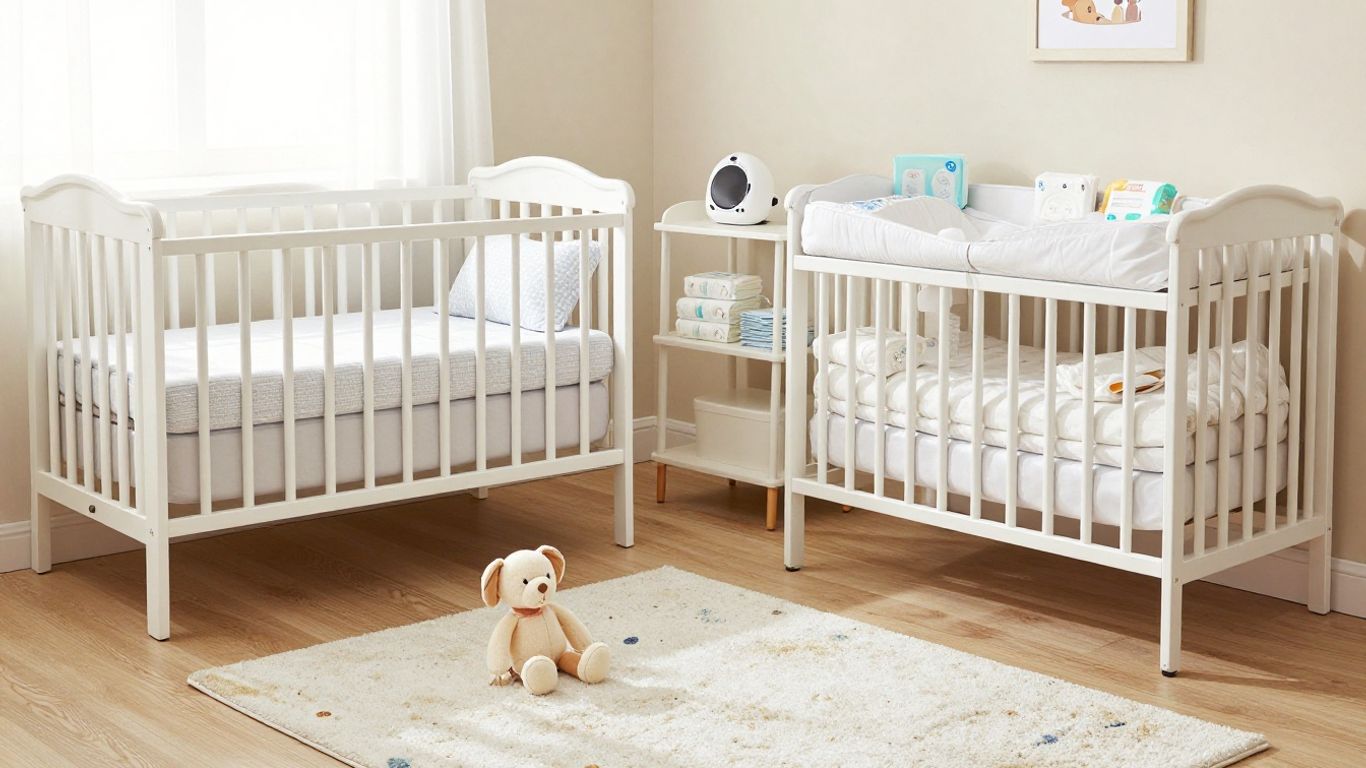
Okay, let's talk about the stuff that really matters when it comes to keeping your little one safe and sound. It’s easy to get caught up in the cute outfits and fun gadgets, but the health and safety items are the real MVPs. You want to be prepared for anything, right? Having a well-stocked medicine cabinet and knowing what to do in a pinch can make a huge difference. Think of this section as your baby's personal safety net.
Monitoring Your Baby's Well-being
Keeping an eye on your baby, especially when they're sleeping, is a big one for new parents. A reliable baby monitor is pretty much a must-have. Whether you go for a simple audio monitor that just lets you hear them, or a video monitor so you can see their every wiggle, it offers a lot of peace of mind. Some of the newer smart monitors even track breathing patterns, which can be reassuring. Just remember, even the fanciest tech can't replace good old-fashioned common sense. A basic audio monitor works just fine for many families.
Soothing Common Baby Discomforts
Babies aren't exactly born with instruction manuals, and sometimes they just seem uncomfortable. Having a few key items on hand can help you tackle common issues like gas, stuffy noses, or a little fever. A good nasal aspirator, like a NoseFrida, is a lifesaver for clearing out tiny nostrils. Gas drops can offer relief for fussy tummies, and having infant pain relievers (like acetaminophen or ibuprofen, depending on age) is important. Don't forget a good diaper rash cream with zinc oxide for those sensitive bottoms. It's also a good idea to have saline drops for a stuffy nose and a digital rectal thermometer for accurate temperature readings. You can find a lot of helpful information on baby care items on a comprehensive baby registry checklist.
Essential Baby-Proofing Gear
Baby-proofing isn't something you need to stress about before the baby arrives, but it becomes super important once they start moving. Around 4-6 months, babies begin to roll and explore, and suddenly that coffee table looks like a climbing challenge. You'll want to get things like outlet covers, cabinet and drawer locks, and corner protectors for sharp edges. Baby gates are great for blocking off stairs or certain rooms. Even simple things like toilet locks and stove knob covers can prevent accidents. It's all about creating a safe space for them to grow and explore without you having to hover constantly. You can find a lot of helpful information on baby safety items on a complete guide for expectant parents.
Preparing for your baby's arrival involves more than just stocking up on cute clothes. It's about creating a safe environment where they can thrive. Taking the time to research and gather these health and safety items will give you confidence as you embark on this amazing journey.
Taking care of your health and safety during pregnancy is super important for a calm and happy journey. We know it can feel like a lot to keep track of everything, from what to eat to how to prepare for the baby's arrival. That's why we've made it simple to get organized. Want to stop worrying and start preparing with a plan made just for you? Visit our website today to get your own personalized checklist!
You've Got This!
Okay, so building a baby registry can feel like a lot, right? But remember, this list is your guide, not a rulebook. Focus on what feels right for your family and your space. You don't need every single gadget out there. Prioritize the things that will genuinely make those early days smoother and safer for you and your little one. Trust your instincts, lean on your support system, and know that you're going to figure this parenting thing out, one day at a time. Happy registering!
Frequently Asked Questions
When should I finish my baby registry?
It's a good idea to have your registry ready around 27-28 weeks of pregnancy, before your baby shower. But don't worry if you need to add more things later! You can keep updating it and use the registry's discount for items you buy yourself even after the baby arrives, usually for up to 6 to 12 months.
Do I really need everything on this list?
Absolutely not! This list is a helpful guide, not a rulebook. Think about your own life and what makes sense for your family. If you plan to breastfeed, you might not need as many bottle-feeding supplies. Adjust the list to fit your specific needs and situation.
What's the most important tip for making a registry?
Ask parents who have babies under one year old what they actually use every single day. Forget about what they registered for or what they bought – focus on what's truly essential. You'll find that the list of daily-use items is often much shorter than you think.
What are the absolute must-have items if I can only get a few things?
If you're starting with the bare minimum, focus on a safe place for your baby to sleep (like a crib with a firm mattress and sleep sacks), a way to feed them (either a breast pump or bottles and formula), diapers and wipes, a car seat (you can't leave the hospital without one!), and a few basic outfits like bodysuits and sleepers.
Is it okay to register for gift cards?
Yes, definitely! Most registry websites let you add gift cards. It's a very practical choice because unexpected needs often come up, and gift cards give parents the flexibility to buy exactly what they need when they need it.
What should I do if someone buys something that's not on my registry?
Always say thank you! If you don't need or want the item, you can usually return or exchange it using the gift receipt. The most important thing is to appreciate the thought and generosity behind the gift, no matter what it is.
Ready to get prepared?
Build your personalized pregnancy checklist
Free, personalized, and built around your birth plan, budget, and due date.
Start My Checklist — Free →