How Much Does It Cost to Prepare for a Baby
Wondering how much does a baby cost? Explore first-year expenses, nursery essentials, gear, childcare, healthcare, and smart saving strategies.

So, you're thinking about adding a little one to the family? That's amazing! But let's get real for a second – babies, while wonderful, also come with a price tag. It's not just about the cute outfits and tiny shoes, though those are fun. There are a lot of practical things you need to think about, from where the baby will sleep to how you'll get around. Figuring out how much does a baby cost is a big question, and it's smart to get a handle on it before the big day arrives. We're going to break down the costs so you can get a clearer picture of what to expect.
Key Takeaways
- The first year with a baby can cost anywhere from roughly $17,000 to nearly $30,000, not including the hospital bills from birth.
- Major expenses include things like childcare, diapers, clothes, food, and healthcare.
- Setting up the nursery and getting essential gear like car seats and strollers are significant one-time costs.
- Recurring costs for diapers, wipes, and formula or food add up quickly each month.
- Smart shopping, using registries, and buying secondhand can help cut down on overall baby expenses.
The Big Picture: How Much Does A Baby Cost Annually?
So, you're expecting! That's amazing news. But as the excitement settles in, you might start wondering about the financial side of things. It's totally normal to feel a bit overwhelmed by the potential costs. Let's break down what you can expect to spend in that crucial first year.
Understanding First-Year Expenses
When we talk about the cost of a baby, it's easy to get lost in the numbers. For their first year alone, families can expect to spend anywhere from around $17,000 to nearly $30,000. This wide range really depends on where you live, your lifestyle, and the choices you make. It's not just about the big-ticket items; it's the daily necessities that add up.
- Childbirth costs: This is often the first big expense, and it can be quite significant. While insurance helps, your out-of-pocket expenses for delivery and postpartum care can still be a few thousand dollars.
- Gear and supplies: Think cribs, car seats, strollers, diapers, wipes, and clothing. These are the things you'll need right from the start.
- Ongoing needs: Food, more diapers, and eventually, childcare, become regular monthly expenses.
It's important to remember that these figures are averages. Your personal spending will be unique to your situation. Planning ahead can make a big difference in managing these costs.
The Impact of Inflation on Baby Costs
Just like everything else, the cost of baby items seems to be on the rise. Inflation means that everyday essentials like diapers and baby food are costing more than they used to. This makes it even more important to get a realistic picture of your budget. Some reports suggest that costs have increased significantly, making it harder for families to keep up.
Regional Differences in Baby Expenses
Where you live plays a huge role in how much you'll spend. For example, raising a child in a state like Washington can be considerably more expensive than in a state like Mississippi. This isn't just about housing; it affects everything from childcare rates to the cost of everyday goods. When you're budgeting, it's smart to look up the specific costs in your local area. You can find helpful tools online to create a personalized pregnancy checklist based on your budget and due date, which can be a great starting point for preparing for your baby.
Here's a general idea of how costs can vary:
| Expense Category | Estimated Annual Cost (Low End) | Estimated Annual Cost (High End) |
|---|---|---|
| Childbirth | $2,700 (out-of-pocket) | $4,214 (out-of-pocket, C-section) |
| First Year Total | $17,124 | $29,419 |
Keep in mind that the average annual cost of raising a child under five was around $27,743 in 2025, according to some analyses, so it's good to be prepared for these significant expenses.
Nursery Essentials: Creating A Cozy Space
So, you're getting ready for a little one to arrive, and the nursery is probably high on your list of things to think about. It's where your baby will spend a lot of their early time, so making it a safe and comfy spot is key. But let's be real, setting up a nursery can feel like a big project, and the costs can add up faster than you might think.
The Crib and Mattress Investment
The crib is pretty much the centerpiece of the nursery, and it's where your baby will get most of their sleep. You'll want something sturdy and safe, of course. Prices can really vary. You can find a basic, safe crib for around $125 to $350. Don't forget the mattress! A good crib mattress usually runs between $50 and $150. Some parents opt for a bassinet or a play yard for the first few months, which can be a bit cheaper initially, often starting around $70 to $250. It's a good idea to check out reviews and safety ratings before you buy. Remember, babies grow fast, so while you want something that lasts, you don't need the absolute top-of-the-line model unless that's what you really want.
Changing Table and Glider Chair
Next up, you'll need a place to change all those diapers. A dedicated changing table can cost anywhere from $100 to $200. Some parents use a dresser with a changing pad on top, which can be a more versatile option long-term. And then there's the glider or rocking chair. This is where you'll do a lot of feeding, rocking, and bonding. These can be a bit of an investment, typically ranging from $200 to $500, but many parents find it's worth it for the comfort. You can sometimes find good deals on these, especially if you look at floor models or wait for sales. It's definitely worth looking into a comfortable glider chair that you'll enjoy using.
Decor and Essential Nursery Items
Beyond the big furniture pieces, there are all the other bits and bobs that make a nursery feel complete. Think about storage for clothes and toys, a baby monitor (audio-only models start around $25, while video ones can go up to $400), and maybe a mobile for the crib. You might also want some soft bedding, like swaddles and blankets. While it's tempting to go all out with themed decor, remember that babies don't really care about fancy wallpaper or matching curtains. Focus on what's practical and safe first. You can always add decorative touches later. Many of these smaller items are perfect for a baby registry, which can help friends and family contribute to your nursery setup.
Setting up a nursery doesn't have to break the bank. Prioritize safety and function, and consider secondhand options or gifts for items that babies outgrow quickly. A cozy space can be created with thoughtful choices, not just expensive ones.
Here's a quick look at some potential costs:
- Crib: $125 - $350
- Crib Mattress: $50 - $150
- Changing Table: $100 - $200
- Glider Chair: $200 - $500
- Baby Monitor: $25 - $400
Don't forget to factor in things like sheets, blankets, and storage solutions. You can use tools like a first-year cost calculator to get a better idea of the overall expenses.
Essential Gear for On-The-Go and At Home
Okay, so you've got the nursery sorted, but what about when you need to venture out or just move around the house? This is where the 'gear' part really kicks in. Think of it as your baby's mobile command center and comfort zone, all rolled into one. Getting the right equipment can make a huge difference in your daily life as a new parent.
Car Seat Safety and Costs
First things first: getting your baby home from the hospital. You absolutely need a car seat for this. Hospitals often check them before you leave, so make sure it's installed correctly. Many fire stations or police departments offer free safety checks, which is a smart move. You can find a car seat inspection site near you using a car seat inspection search tool. Prices can vary wildly, from a couple hundred dollars for a basic model to upwards of $500 or more for premium brands with extra features. Think about what you need – is it just for the car, or does it click into a stroller system?
- Basic Infant Seat: Good for the first year or so, often clicks into a base. ($100 - $300)
- Convertible Seat: Grows with your child, can be used rear-facing and then forward-facing. ($150 - $400)
- Travel System: Includes an infant seat that snaps into a compatible stroller. ($300 - $700+)
Remember, safety is the top priority here. Don't skimp on quality or proper installation. A well-installed, reputable car seat is non-negotiable.
Stroller Selection and Savings
When you're out and about, a stroller is your best friend. There are so many options, it can be overwhelming! From lightweight umbrella strollers perfect for quick trips to robust jogging strollers for active parents, the choices are endless. Some parents opt for a travel system that includes a car seat that clicks right in, which is super convenient. If you're looking to save some cash, consider a gently used stroller. You can often find great deals on secondhand marketplaces or at consignment shops. Look for strollers designed to grow with your child, as this can be a more cost-effective choice in the long run.
- Umbrella Stroller: Lightweight and portable, great for travel. ($30 - $150)
- Full-Size Stroller: More features, storage, and comfort for longer outings. ($150 - $600+)
- Jogging Stroller: Designed for running and rougher terrain. ($200 - $700+)
Baby Carriers and Alternative Options
Sometimes, a stroller just isn't practical, or maybe your baby just wants to be held close. That's where baby carriers come in! Wraps, slings, and structured carriers can be fantastic for keeping your baby snug and secure while keeping your hands free. They can be a great alternative or supplement to a stroller, especially for navigating crowded places or going on hikes. Prices can range from under $50 for a simple wrap to $200 or more for a high-end ergonomic carrier. It's worth trying a few different types to see what feels best for you and your baby.
Recurring Costs: Diapers, Clothing, and Feeding
Okay, let's talk about the stuff that keeps coming, and coming, and coming. Once your little one arrives, you'll quickly realize that some expenses don't just happen once. They're the ongoing needs that can really add up, so it's smart to get a handle on them early.
The Never-Ending Diaper Supply
Get ready for a lot of diaper changes. Seriously, a lot. Babies go through them like crazy, and this is one expense that's pretty much unavoidable. You've got two main paths here: disposables or cloth.
- Disposable Diapers: These are convenient, no doubt. But they are a consistent cost. Expect to spend anywhere from $70 to $100 each month on disposable diapers. Over the course of a year, that's a significant chunk of change, easily totaling over $1,000. It's worth looking into subscription services from places like Amazon or Target; sometimes they offer a little discount and save you a trip to the store when you're running low.
- Cloth Diapers: While the initial investment for cloth diapers and covers might be around $300 to $500, they can save you money in the long run. However, factor in the cost of laundry – more water, more detergent, and wear and tear on your washing machine. Some parents opt for a diaper service, which adds a recurring weekly fee.
Don't forget the wipes and diaper cream, too! Those add another $20-$30 to your monthly bill.
The sheer volume of diapers a baby uses can be surprising. Planning for this recurring expense is key to avoiding budget shocks.
Outfitting Your Growing Baby
Babies grow at an astonishing rate. One minute they fit into newborn sizes, and the next, they're ready for 3-6 months. This means you'll be buying clothes more often than you might think. Hand-me-downs are your best friend here. Seriously, if family or friends offer gently used baby clothes, take them! It's a huge money-saver.
When you do buy new, focus on practical items like onesies, pajamas, and pants. Babies are messy, so having plenty of outfits for daily changes is a must. You might spend $20 or more for a single outfit set if you're buying new. Since you'll need to refresh their wardrobe every few months as they grow, budgeting for clothing is an ongoing task. Consider buying slightly larger sizes to get more wear out of them.
Feeding Your Little One
Feeding is another big recurring cost. Whether you choose to breastfeed, formula-feed, or a combination of both, there are expenses involved.
- Breastfeeding: While often seen as "free," breastfeeding can still have costs. You might need a good breast pump, bottles, storage bags, nursing bras, and nursing pads. If you plan to return to work, a high-quality pump is a worthwhile investment.
- Formula Feeding: This is a direct and often substantial expense. A can of formula can range from $20 to $40, and babies can go through several cans a month. This can easily add up to $100-$200 or more per month, depending on the brand and your baby's needs. You can use this baby expense estimator to get a clearer picture of potential costs.
- Baby Food: Once your baby starts solids, you'll add purees and eventually finger foods to the grocery list. While you can make your own baby food, buying pre-made options is also common and adds to your monthly food budget.
These recurring costs, from diapers to feeding, are a significant part of your baby budget. Staying on top of them will make a big difference in your financial planning.
The Major Expense: Childcare Considerations
Okay, let's talk about the big one. When you start thinking about the costs of a baby, childcare often looms the largest. It's not just a line item; for many families, it's a significant chunk of the monthly budget, sometimes feeling like a second mortgage without the actual house. This is where costs can really start to add up, and it's smart to get a handle on it early.
Daycare vs. Nanny Costs
Deciding between daycare and a nanny is a huge decision, and both come with hefty price tags. Daycare centers can offer a structured environment with social interaction for your little one, but they often have set hours and can be quite far from home. Nannies, on the other hand, provide one-on-one care in your own home, offering flexibility and convenience, but usually at a higher hourly rate. It really depends on your family's needs, your work schedule, and what you feel most comfortable with.
- Daycare: Generally more affordable than a nanny, especially for multiple children. Offers socialization opportunities. Hours are typically fixed.
- Nanny: More personalized care in your home. Offers greater flexibility with scheduling. Usually the most expensive option.
Budgeting for Full-Time Care
Let's get down to numbers. The cost of full-time childcare can vary wildly depending on where you live and the type of care you choose. In some areas, the cost for infant care can easily surpass $1,500 a month. For instance, in California, you might see annual costs for infant care at a center around $19,719. Even in states with lower average costs, like Missouri, you're still looking at over $1,000 a month for infant care. It's a serious investment, and planning for it is key.
It's easy to get overwhelmed by these figures, but remember that these costs often decrease as your child gets older and moves into preschool programs. Also, many employers offer flexible spending accounts for dependent care, which can provide significant tax savings.
Saving for Childcare Expenses
So, how do you prepare your wallet for this? Start by researching costs in your specific area. Websites and local parent groups can be great resources. Consider if you have family nearby who might be able to help out, even part-time. If you're planning to use a nanny, explore options like nanny shares, where you split the cost and care with another family. For daycare, look into employer-sponsored benefits or subsidies if available. Starting to save even a small amount each month well before the baby arrives can make a big difference when those bills start rolling in. Don't forget to factor in potential increases in your health insurance premiums as your family grows, which is another recurring cost to budget for.
Healthcare and Parental Leave Costs

Okay, let's talk about the money side of things when it comes to your health and taking time off after the baby arrives. It's not just about the cute outfits and nursery furniture; there are some significant financial aspects to consider here.
Understanding Childbirth Expenses
This is often the first big financial hurdle. Even with insurance, the costs associated with pregnancy, labor, and delivery can add up quickly. You'll want to get a clear picture from your insurance provider about what's covered, what your deductible is, and what your co-pays will look like for prenatal visits, the hospital stay, and any potential complications. The average cost of childbirth in the U.S. is substantial, and understanding your personal out-of-pocket responsibility is key. It's a good idea to look into maternity hospital packages if your provider offers them, as they can sometimes bundle services and give you a clearer cost estimate. Remember to factor in costs for prenatal vitamins and any postpartum recovery items you might need.
Out-of-Pocket Medical Costs
Beyond the initial birth, your baby will have their own set of medical needs. This includes regular well-baby check-ups, which are frequent in the first year. While insurance often covers these, you'll still have co-pays for each visit. Plus, babies get sick! Those unexpected trips to the pediatrician for a cough or rash can add up. It's also worth considering how your health insurance premiums might change once you add a new dependent to your plan. If you and your partner are on separate plans, it might be time to look into consolidating onto a single family plan to potentially simplify deductibles and out-of-pocket maximums. You can use pre-tax dollars through a Health Savings Account (HSA) or Flexible Spending Account (FSA) to cover many of these medical expenses, including things like sunscreen, thermometers, and pain relief for your little one. Just be aware that regular diapers and formula usually aren't covered by these accounts. Keep all your medical receipts, as significant out-of-pocket medical expenses might be deductible on your taxes if they exceed a certain percentage of your income. You might also look into hospital indemnity insurance, which can provide a payout to help cover hospital stays related to childbirth.
Budgeting for Parental Leave
This is a big one that often gets overlooked in the initial baby budget. Parental leave is time off work to bond with your new baby. While some companies offer paid leave, many do not, or they offer only a portion of your salary. This means you'll need to budget for the income you'll be losing during this period. Think about how long you plan to take off and what your household expenses are. Can you save up in advance? Do you have other income sources? Some families explore options like multigenerational living to help offset childcare costs and provide support during this time. It's also important to remember that qualifying life events, like the birth of a child, allow you to make changes to your workplace benefits, such as adding your baby to your health insurance. You usually have a limited window, often 30 to 60 days, to make these changes, so don't miss that deadline! Planning for this income gap is just as important as planning for the medical bills and baby gear.
Smart Strategies for Managing Baby Expenses
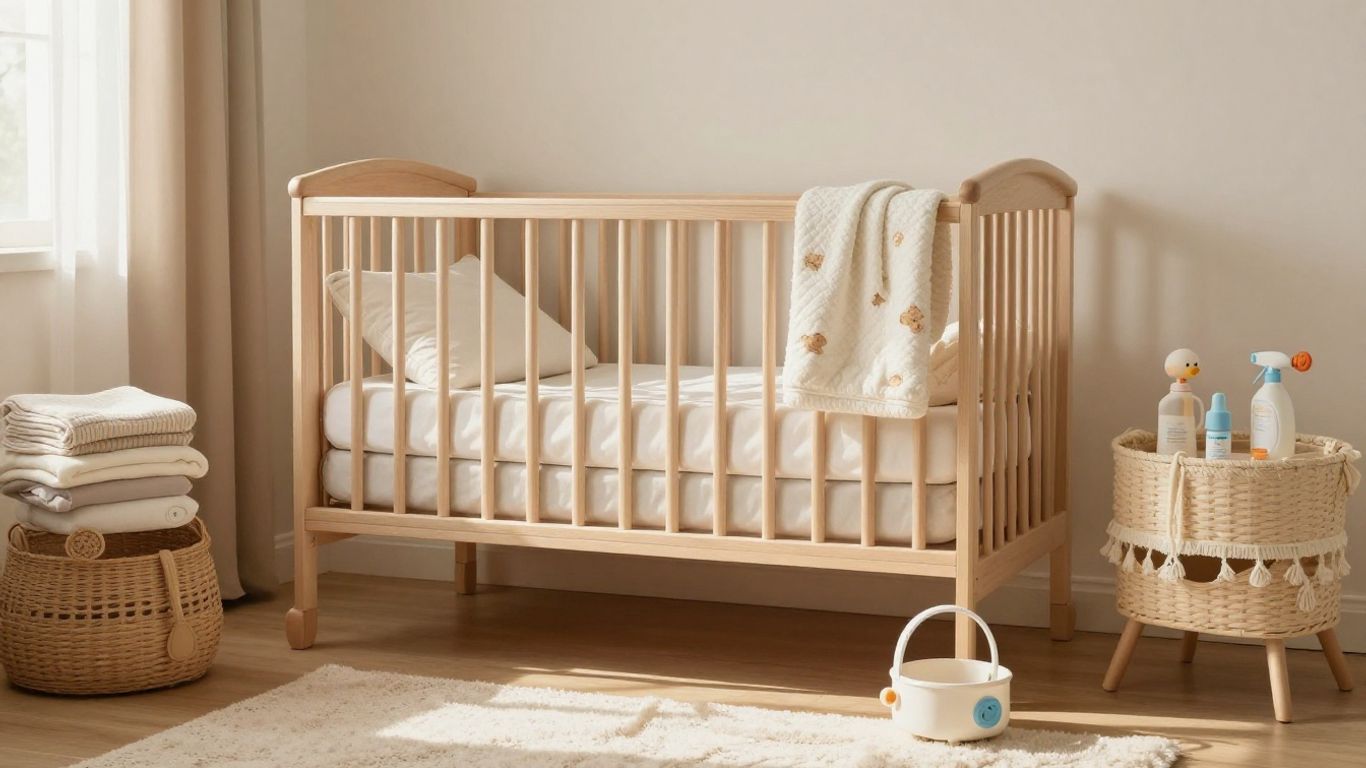
Bringing a baby into your life is amazing, but let's be real, it can also put a strain on your wallet. Don't worry, though! There are plenty of clever ways to keep costs down without sacrificing quality or your sanity. It’s all about being a bit more strategic with your spending.
Leveraging Baby Registries and Gifts
Baby registries are your best friend when you're expecting. They help you organize all the things you actually need and let friends and family know exactly what to get. Think of it as a helpful guide for your loved ones. Instead of random gifts, they can pick items from your list, which means fewer duplicates and more of what you’ll use. Plus, many stores offer a completion discount on remaining registry items, which is a nice bonus.
- Be realistic: Don't go overboard. Focus on the essentials first. You can always buy more later if you find you need it.
- Share widely: Make sure your registry is accessible to everyone who wants to buy you a gift.
- Consider group gifts: For bigger ticket items like a stroller or crib, registries often allow people to contribute to a group gift.
The Value of Secondhand Finds
Buying everything brand new can get expensive fast. But guess what? Babies grow out of things so quickly! That adorable outfit your little one wore once might be perfect for someone else's baby. Secondhand stores, online marketplaces, and even hand-me-downs from friends and family can be goldmines. You can find gently used clothes, toys, and even larger items like strollers or bassinets for a fraction of the original price. It’s a fantastic way to save money and be more eco-friendly.
Remember, babies are only little for a short while. Many items are barely used before they're outgrown. Don't feel pressured to buy everything new; secondhand is often just as good, if not better, for items that don't require the absolute latest safety features.
Cutting Back on Extras to Save
When you're preparing for a baby, it's easy to get caught up in all the cute, but ultimately unnecessary, items. Take a step back and ask yourself: "Do we really need this?" Often, the answer is no. Think about subscriptions you might not use much anymore, or maybe you can switch to a cheaper phone plan. Even small savings add up. Consider if you need both a swing and a bouncer, or if your baby’s dresser top can double as a changing station. Prioritizing what truly matters will help you manage your budget more effectively and prepare for your baby's arrival without unnecessary financial stress. This proactive approach helps ensure you're financially prepared for the significant changes a new baby brings, and you can find more tips on budgeting for a baby's first year.
Here’s a quick look at where you might be able to trim costs:
- Clothing: Buy basics and only a few outfits. Babies grow fast and get messy!
- Toys: Focus on a few versatile toys rather than a huge collection.
- Gear: Look for multi-functional items or consider if you really need two similar items (like a bouncy seat and a swing).
- Subscriptions: Review monthly services like streaming, apps, or gym memberships. Can any be paused or canceled?
- Diapers: While you'll need a lot, explore different brands and consider cloth diapering if it fits your lifestyle.
Managing the costs of a new baby can feel like a lot, but smart planning makes it easier. You don't have to guess what you'll need or spend too much. Get a clear picture of what's important for your little one. Visit our website today to learn how to create a budget that works for you and your growing family!
So, What's the Bottom Line?
Okay, so we've talked a lot about numbers, and yeah, it can seem a little overwhelming. Preparing for a baby definitely comes with a price tag, whether it's for that first crib or the ongoing costs like diapers and childcare. But remember, not everything has to be brand new, and there are tons of ways to save, like hitting up consignment shops or leaning on those generous friends and family for gifts. The biggest takeaway here is that a little planning goes a long way. Start saving what you can, even if it's just a little bit each month, and don't stress about having it all figured out right this second. You've got this!
Frequently Asked Questions
What's the average cost for a baby's first year?
On average, expect to spend about $20,745 for a baby's first year. This amount doesn't include the costs of childbirth itself. Keep in mind that where you live and whether you choose luxury items can change this number.
How much does childbirth usually cost?
The cost of pregnancy, delivery, and care after birth can be over $20,000 before insurance. After insurance, your out-of-pocket costs might be around $2,700, but this can change depending on your insurance plan and if you have a C-section or vaginal birth.
What are the biggest expenses for a new baby?
The biggest costs usually come from childcare, which can be very expensive. Other major expenses include diapers, baby clothes, food, and healthcare.
How can I save money on baby items?
You can save money by using baby registries to get gifts, buying gently used items from places like consignment shops or garage sales, and looking for deals. Babies grow fast, so many items are barely used when you find them secondhand.
Do I need to buy everything new for my baby?
Not necessarily. While some items like car seats should always be bought new for safety reasons, many other things like cribs, changing tables, clothes, and toys can be great quality when bought used. This can save you a lot of money.
What are some unexpected costs when preparing for a baby?
Besides the obvious baby gear, you might face higher utility bills if you use more electricity or water. Also, consider costs for a larger vehicle if needed, or potential housing changes. Don't forget miscellaneous items like toys, books, or classes that add up over time.
Ready to get prepared?
Build your personalized pregnancy checklist
Free, personalized, and built around your birth plan, budget, and due date.
Start My Checklist — Free →