Hospital Bag Checklist: What to Pack (and What to Skip)
Your ultimate hospital bag checklist! Pack essentials for mom, baby, and your support person. Get ready for labor, delivery, and going home.

Getting ready for the hospital can feel like a big task, right? You want to make sure you have everything you need for yourself, your new baby, and your support person, but you also don't want to bring the whole house. This hospital bag checklist is here to help you pack smart, focusing on what truly matters so you can feel prepared and less stressed when the big day arrives. We'll cover the must-haves for labor, recovery, and that first trip home, plus what's best to leave behind.
Key Takeaways
- Pack your hospital bag around 36-37 weeks, but keep daily essentials separate until you leave.
- Organize your bag into sections or smaller pouches for easy access to documents, labor items, recovery needs, and baby's things.
- Focus on comfort for mom, including loose clothing, familiar items, and personal toiletries.
- For baby, prioritize the going-home outfit, a car seat, and a warm layer; the hospital usually provides basics.
- Your support person needs their own small bag with clothes, toiletries, snacks, and entertainment.
Essential Documents for Your Hospital Bag Checklist
Alright, let's talk about the paperwork. It might not be the most glamorous part of packing your hospital bag, but trust me, you'll be super glad you have these things sorted when you arrive. Think of them as your golden tickets to a smooth check-in process.
Identification and Insurance Cards
This is probably the most important stuff. You'll need your government-issued ID, like a driver's license, and your health insurance card. Make sure they're not expired! It's also a good idea to bring any prescription cards if you take regular medication. Having these handy means the hospital staff can get you registered quickly and sort out any billing details without a hitch. Don't forget to check if your insurance covers your hospital stay and any specific procedures.
Hospital Registration Forms
If the hospital sent you any pre-registration paperwork, fill it out beforehand and tuck it into your bag. This can save a ton of time and hassle when you're already in labor. If you didn't get any forms, don't sweat it; you'll just fill them out when you get there. But if you have them, bring them!
Your Birth Plan
If you've spent time creating a birth plan, bring a few copies. Give one to your doctor, one to your nurse, and keep one for yourself. It's a great way to communicate your preferences for labor and delivery to the medical team. It covers things like pain management, who you want in the room, and any specific wishes you have for after the baby is born. It's your roadmap for the big day.
Remember, while having all your documents in order is super helpful, the hospital staff are there to assist you. If you realize you've forgotten something minor, they can usually help you sort it out. The main goal is to have your identification and insurance information ready to go.
Comfort Items for Labor and Delivery
Labor can be a marathon, and having a few personal touches can make a world of difference. Think of these items as your personal cheer squad, ready to make the experience a bit more bearable and maybe even a little pleasant. Don't underestimate the power of small comforts when you're in the thick of it.
Cozy Socks and Lip Balm
Your feet can get cold during labor, and hospital socks aren't always the coziest. Bringing your own pair of fuzzy socks or grippy slippers can make you feel more at home. And lip balm? Absolutely essential. The air in hospitals can be dry, and your lips will thank you for keeping them moisturized. Trust me, you'll want this handy.
Entertainment and Distractions
Labor can sometimes take a while, so having ways to pass the time is smart. Think about what helps you relax or focus when you're stressed. This could be:
- A playlist of your favorite calming music or upbeat tunes.
- Podcasts or audiobooks to get lost in.
- A tablet or e-reader for some light reading.
- Noise-canceling headphones to create your own quiet space.
Remember, the goal here is to create a calm environment for yourself. If loud noises or bright screens aren't your thing, opt for something more soothing. A good book or some quiet meditation can be just as effective.
Personalized Comforts
Sometimes, the simplest things from home can provide the biggest sense of security. Consider packing:
- A familiar pillow: Hospitals provide pillows, but yours might feel more like home. Use a pillowcase in a distinct color so it doesn't get mixed up with the hospital's.
- A soft robe or cardigan: This can be nice for walking around or if you feel chilly.
- A massage tool or tennis ball: If you're planning on any back labor, these can be lifesavers for your support person to use.
Don't forget to pack a reusable water bottle to stay hydrated, and maybe some easy-to-eat snacks for your support person, because they'll need energy too! Packing these items can help you feel more in control and comfortable during your labor and delivery experience.
Postpartum Recovery Must-Haves
Okay, so you've done the hard work and brought your little one into the world. Now comes the "fourth trimester," and let's be real, you'll want to be as comfy as possible while your body heals and adjusts. This isn't just about surviving; it's about feeling good, or at least, as good as you can.
Comfortable Clothing for Mom
Forget those tight jeans you wore pre-pregnancy. Think soft, stretchy, and forgiving. You'll want things that are easy to get on and off, especially if you're dealing with stitches or just feeling generally swollen. Think oversized t-shirts, comfy leggings, or loose-fitting dresses. A nursing-friendly top is a lifesaver if you plan to breastfeed, making those midnight feedings a little less of a hassle. The goal is to feel cozy and allow your body room to breathe and heal.
Personal Toiletries
While the hospital provides some basics, having your own familiar items can make a big difference. Pack your toothbrush, toothpaste, a gentle face wash, and moisturizer. Dry shampoo is your best friend for those days when a shower feels like a marathon. Don't forget a good lip balm because hospital air can be super dry. If you're feeling up to it, a hairbrush and some hair ties will keep your hair out of your face. Consider packing some cooling witch hazel pads for extra comfort.
Supportive Undergarments
This is where comfort really shines. If you're breastfeeding, a good, supportive nursing bra is non-negotiable. You'll want something that's comfortable enough to sleep in but offers support during the day. For postpartum recovery, especially if you had a vaginal birth, you might want to pack some comfortable, high-waisted underwear that won't dig into any sore spots. Some people prefer disposable underwear for the first few days because it's easy to manage and you don't have to worry about laundry. Think about packing a couple of sizes, as your body will change.
Remember, your body has just done something incredible. Give yourself grace and pack items that make you feel cared for and comfortable during this tender time. It's okay to prioritize your own well-being just as much as the baby's.
Baby's Essentials for the Hospital Stay
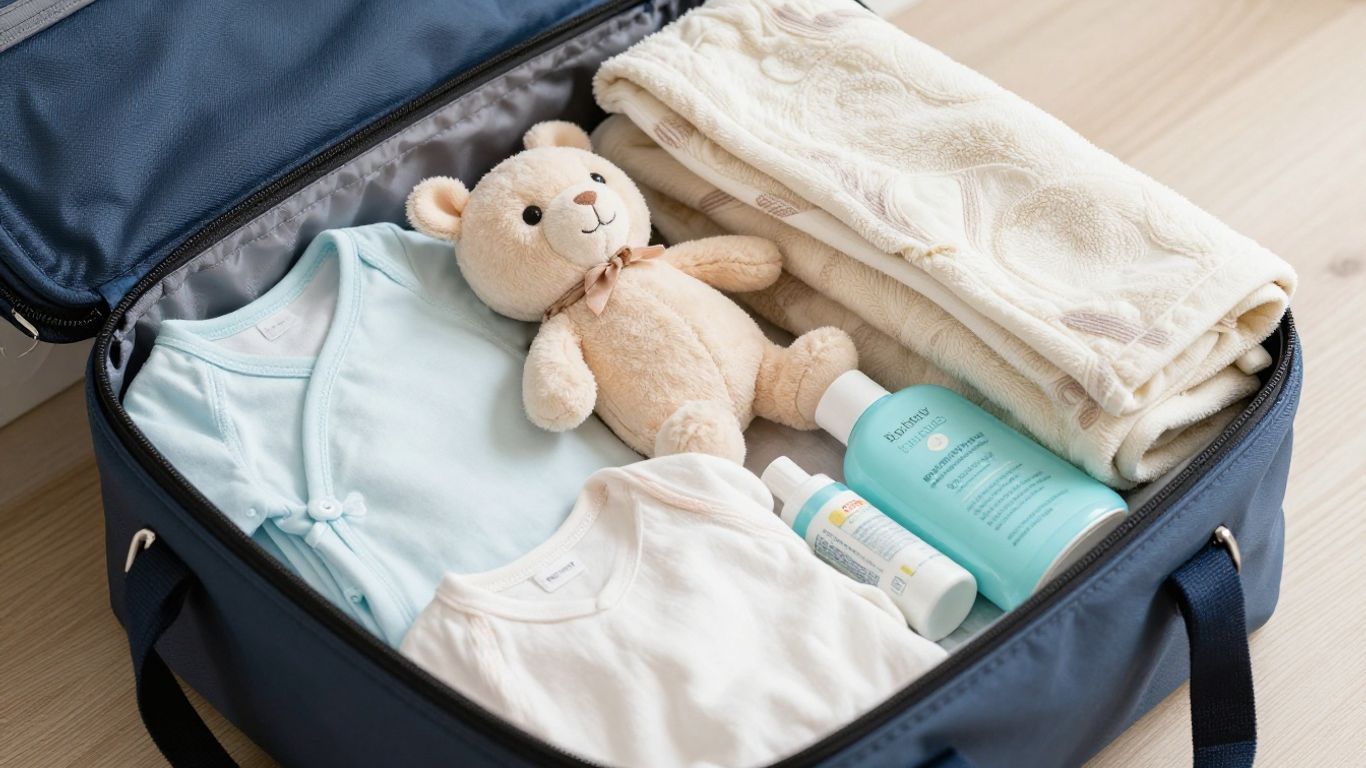
When it comes to packing for your little one, remember that newborns don't need a whole lot for their first few days. The hospital usually provides the basics like diapers, wipes, and receiving blankets. Your main focus should be on a safe way for your baby to travel home and a few personal touches.
Going-Home Outfit Options
This is where you can have a little fun! Pack a couple of outfits in different sizes, just in case. Think about the weather for your trip home. A simple onesie and pants set is usually perfect, but if it's chilly, you'll want something warmer. Don't forget a hat, especially if it's cool outside. It's also a nice idea to have a special "going-home" outfit if you're planning on taking photos right away.
Cozy Layers and Blankets
While the hospital provides blankets, bringing your own special swaddle or receiving blanket can be nice for photos or just for that extra bit of comfort during the ride home. If the weather is cold, a warm outer layer or a thicker blanket is a must. It's always better to have an extra layer than to be caught off guard by a chilly breeze.
Essential Baby Information
This might seem obvious, but it's easy to forget in the whirlwind of getting ready. Make sure you have your pediatrician's contact information handy. You'll need it for the initial check-ups and any questions that pop up. Also, don't forget the most important item for the trip home: a properly installed infant car seat. This is a non-negotiable requirement for leaving the hospital, so get that sorted well before your due date. You can find great resources on car seat safety.
Remember, the hospital has many supplies for your newborn. Focus on what you need for the journey home and any personal items that will make your baby feel more secure.
Your Support Person's Hospital Bag Checklist
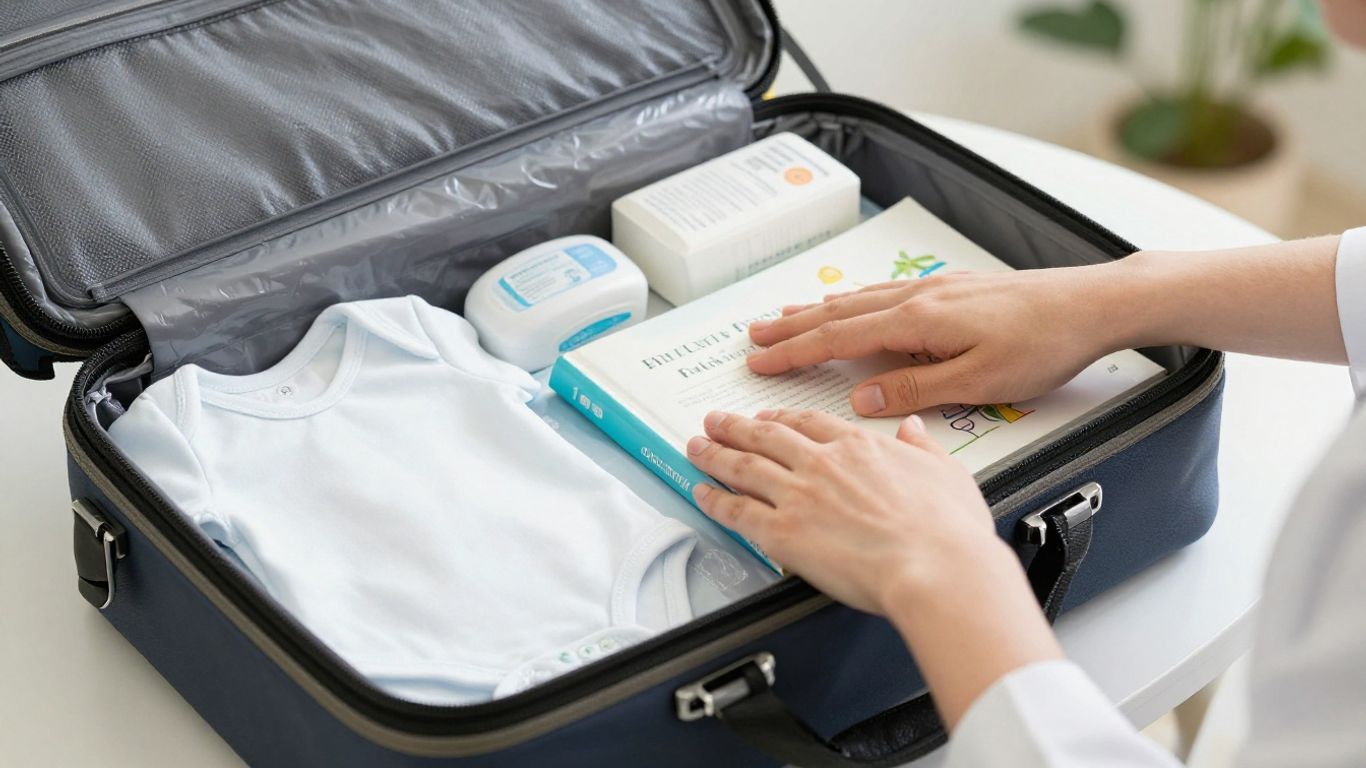
Your support person is your rock during labor and delivery, and they'll be right there with you for the first few days of your baby's life. To make sure they're comfortable and ready for anything, they'll need their own well-packed bag. Think of it as their survival kit for the hospital adventure!
Comfortable Clothing and Toiletries
Your support person will be spending a lot of time in a hospital room, so comfort is key. They should pack a couple of changes of clothes – think casual and easy to move in. Don't forget pajamas if they plan on catching some sleep, and a cozy hoodie or sweater because hospital temperatures can be unpredictable. For toiletries, a travel-sized toothbrush, toothpaste, deodorant, and any personal medications are a must. A small washcloth and a familiar pillow can also make a big difference in feeling more at home.
Sustenance and Entertainment
Labor can be long, and hospital food options might be limited or inconvenient. Packing a good stash of snacks and drinks is a smart move. Think non-messy, non-smelly options like granola bars, nuts, fruit, and plenty of water. This way, they can stay energized without having to leave your side for too long. For downtime, a book, tablet, or headphones can be a lifesaver. A fully charged phone and a long phone charger are also non-negotiable for staying connected and capturing memories.
Essential Personal Items
Beyond the basics, there are a few other things that can make your support person's stay much smoother. Their ID and insurance card are important, just in case. A small backpack or duffel bag is ideal for keeping everything organized. If they have a camera, they might want to bring it along, though most people use their phones these days. Ultimately, the goal is to have them feel prepared and able to focus on supporting you and welcoming your new baby, without worrying about their own needs.
Remember, your support person's role is to be there for you. Making sure they have what they need means they can be fully present and supportive throughout the entire experience.
What to Leave Behind: Items to Skip
Okay, let's talk about what not to pack. It’s easy to get carried away thinking you need everything but the kitchen sink, but trust me, less is more when it comes to your hospital bag. Overpacking just makes your room feel cramped and gives you more stuff to haul back home. So, let's lighten the load and focus on what truly matters.
Excess Baby Gear
While it's tempting to bring a whole wardrobe for your little one, the hospital usually provides the basics like diapers, wipes, and receiving blankets. Your baby won't need a dozen outfits for a short stay. Stick to one or two going-home outfits and maybe a backup in a different size, just in case. Think practical, not excessive. You don't want to be digging through a mountain of tiny clothes when you're trying to rest.
Valuables and Strong Scents
Leave the expensive jewelry at home. Seriously, why risk it? The hospital is not the place for your grandmother's pearls or your favorite watch. Also, steer clear of anything with strong fragrances – think perfumes, heavily scented lotions, or even some hairsprays. These can be overwhelming for you, your baby, and the hospital staff, especially those with sensitivities or allergies. Opt for unscented or lightly scented personal care items if you bring them at all. A calm environment is key for recovery.
Bulky Toiletries and Unnecessary Items
Those giant bottles of shampoo and conditioner you love? Leave them. Hospitals typically provide basic toiletries, or you can pack travel-sized versions of your favorites. Think toothbrush, toothpaste, a small face wash, and maybe some moisturizer. Also, consider skipping things that create extra work. If an item needs charging, constant organizing, or will just end up being another thing to pack back up and carry home without adding significant comfort, it probably doesn't need to come. Focus on items that genuinely make your stay easier and more comfortable, like a familiar pillow with a distinct pillowcase to help it stand out.
Remember, the goal is to feel prepared, not burdened. Every item you pack is one more thing to manage. Prioritize comfort, necessity, and ease of use. If you're unsure, it's often better to leave it behind and ask your support person to bring it later if needed. Checking with your hospital about what they provide can also significantly trim down your packing list, saving you space and hassle.
When packing for your new arrival, it's easy to get carried away. Think carefully about what you really need and what might just end up taking up space. Avoid bringing too many outfits for the baby, as they grow quickly and might receive many as gifts. Also, consider leaving behind bulky items that the hospital or birthing center might provide, like diapers or wipes. Focus on the essentials to keep your hospital bag light and manageable. For a complete guide on what to pack and what to skip, visit our website today!
Ready for Anything (Almost!)
So there you have it! Packing for the hospital can feel like a big deal, but remember, it's mostly about having the important stuff handy – your documents, things for comfort during labor, comfy clothes for after, and of course, everything your little one needs for that first ride home. Don't forget to ask your hospital what they already provide; it can save you a lot of space. Aim to have your bags ready around 36 or 37 weeks, and using little pouches for different things really helps keep things organized. Honestly, the most important thing isn't having the perfect bag. It's about having the basics, a few comfort items, and a solid plan for getting home safely with your new baby. You've got this!
Frequently Asked Questions
When should I start packing my hospital bag?
It's a good idea to have your hospital bag packed around 36 to 37 weeks into your pregnancy. If your doctor has mentioned you might deliver early, or if you have a planned C-section or induction, you might want to pack it a bit sooner. You don't need to pack absolutely everything weeks ahead; things like your phone, charger, and daily medications can stay with you until you leave for the hospital.
What are the most important things to bring for labor?
For labor, focus on essentials that help you feel comfortable and stay connected. This includes your ID, insurance card, any hospital paperwork, and your birth plan. Don't forget a phone charger (a long one is best!), comfy non-slip socks, lip balm, hair ties, and a reusable water bottle. Your support person will also need snacks and entertainment for the wait.
What should I pack for after the baby is born?
After delivery, comfort is key. Pack loose, comfortable clothing like a robe or soft pants, nursing bras if you plan to breastfeed, and comfortable underwear. Bring your personal toiletries, a pair of slip-on shoes or shower slides, and a going-home outfit that feels good. Hospitals often provide pads and other recovery items, so check what they offer.
What does the baby really need at the hospital?
Babies don't need much for a short hospital stay. The hospital usually provides diapers, wipes, and basic clothes. The most important items are an installed infant car seat for the ride home and a going-home outfit. It's smart to pack one or two outfits in case of spit-ups or blowouts, and a blanket or warm layer depending on the weather.
Should my partner or support person pack their own bag?
Yes, absolutely! Your support person will be with you for a while, and they'll need their own essentials. Pack a change of clothes, comfortable shoes, toiletries, snacks and drinks, their phone charger, and some form of entertainment like a book or tablet. Having their own bag makes their stay much more comfortable.
What items should I definitely leave at home?
To keep things simple, avoid overpacking. Leave large packs of diapers and wipes, too many baby outfits, tight clothing, expensive jewelry, strong-smelling lotions or perfumes, and bulky baby gear like strollers or bouncy seats. Basically, if it's not essential for comfort, recovery, or getting home safely, you can probably skip it.
Ready to get prepared?
Build your personalized pregnancy checklist
Free, personalized, and built around your birth plan, budget, and due date.
Start My Checklist — Free →