"Vintage-Inspired Nursery Ideas That Are Trending in 2026"
Discover trending vintage nursery ideas for 2026! Embrace timeless charm with heirloom details, soft romance, and cozy atmospheres. Get inspired!

Getting ready for a new baby is such an exciting time, and planning the nursery is a big part of it. If you're looking for ideas that feel a little different from the usual, you're in luck. The nursery trends for 2026 are leaning into a charming, nostalgic vibe that's really lovely. Think less bright and bold, and more soft, warm, and personal. We're seeing a real move towards creating spaces that feel like a cozy, timeless haven, and honestly, it’s pretty refreshing. Let's explore some of these sweet vintage nursery ideas 2026 that are making waves.
Key Takeaways
- Vintage nursery ideas 2026 are all about embracing heirloom details and a soft, romantic feel, moving away from overly themed rooms.
- Walls are becoming a focal point with textured finishes, sophisticated floral patterns, and dimension, rather than just a single accent wall.
- The Cottagecore aesthetic is trending, bringing natural warmth, layers of texture, and dreamy canopies into nursery design.
- Color palettes are shifting from traditional pastels to earthy tones, sage green, and even deeper hues for a more grounded, grown-up feel.
- Coastal and Scandinavian styles are influencing nurseries with subtle seaside textures, clean lines, and a focus on natural light and cozy comfort.
Embrace Timeless Charm with Vintage Nursery Ideas 2026
This year, we're seeing a beautiful return to styles that feel warm, personal, and full of history. Vintage-inspired nurseries are really taking off, and honestly, it's easy to see why. There's just something so special about creating a space that feels like it has stories to tell, a place that’s both cozy and a little bit magical.
The Enduring Appeal of Heirloom Details
Parents are looking for ways to make their baby's room feel unique, and that often means incorporating pieces that have a past. Think about those little touches that make a room feel lived-in and loved. It’s about more than just aesthetics; it’s about creating a connection to family and tradition.
- Soft, romantic fabrics: Lace, linen, and delicate cottons add a gentle touch.
- Antique-inspired furniture: A vintage crib or a repurposed dresser can be a stunning focal point.
- Framed art and photos: Personal touches like old family photos or delicate botanical prints add character.
- Heirloom toys: A classic wooden rocking horse or a well-loved teddy bear can be both decor and a future treasure.
The goal is to create a nursery that feels curated over time, not just put together. It’s about finding those special pieces that speak to you and weaving them into a cohesive, charming space.
Soft Romance and Delicate Accents
This trend leans into a feeling of gentle beauty. It’s not about being overly fussy, but rather about adding touches that feel sweet and tender. Imagine soft colors, subtle patterns, and details that evoke a sense of calm and affection. It’s a lovely way to prepare a welcoming environment for your little one. You can find some really beautiful vintage-inspired hoop cribs that perfectly capture this romantic feel.
Creating a Cozy, Nostalgic Atmosphere
Ultimately, vintage nurseries are all about comfort and a sense of nostalgia. They invite a feeling of warmth and security, making the room a true sanctuary. It’s about blending old-world charm with the practical needs of a modern nursery. This approach can be surprisingly budget-friendly too, as many of these looks can be achieved with thoughtful planning and perhaps a bit of DIY, making it possible to create a beautiful and functional nursery without overspending.
Walls That Tell a Story: Architectural Focal Points
Forget the days of a single, plain accent wall. In 2026, we're seeing nurseries where the walls themselves become the main event, acting as architectural canvases that add depth, texture, and sophisticated patterns. It’s about creating a space that feels intentional and visually interesting, moving beyond simple decoration.
Beyond the Accent Wall: Dimension and Texture
Think beyond flat paint. Walls are getting a makeover with elements that add real dimension. Sculpted plaster finishes can give a room an organic, high-end feel, almost like a piece of art. Another popular choice is vertical wood slats, which bring in natural warmth and a clean, modern look. These details make a minimalist room feel anything but boring. It’s about creating a tactile experience, making the room feel more grounded and luxurious.
Floral Murals and Sophisticated Patterns
Floral patterns are making a huge comeback, but with a grown-up twist. Instead of tiny, cutesy prints, we're seeing large-scale, artistic floral murals or abstract floral designs that feel more like fine art. These can transform a wall into a dreamy, natural landscape. Think watercolor blooms or meadow-inspired scenes that bring the outdoors in. These aren't just for girls' rooms either; sophisticated floral patterns can add a unique touch to any nursery. Pairing these with natural wood furniture and linen textiles really pulls the look together.
Wallpaper as the Foundation of Nursery Design
Wallpaper is no longer just an afterthought; it's the starting point for designing the entire nursery. It sets the tone and theme for the room. Whether you choose a bold geometric pattern for a modern vibe, a soft botanical print for a natural feel, or a textured finish for added depth, the wallpaper choice dictates the rest of the decor. It’s a powerful way to establish a unique atmosphere right from the start. For those looking to plan out their nursery, exploring different wallpaper styles can be a great first step, much like planning a memorable pregnancy announcement.
The walls are no longer just a backdrop; they are an integral part of the nursery's design narrative, adding character and a sense of place. This shift towards walls as focal points creates a more engaging and memorable environment for both baby and parents.
Cottagecore and Natural Warmth
This trend is all about bringing the cozy, rustic charm of the countryside into your baby's room. Think of it as a warm hug, a place that feels lived-in and loved from the start. It's a move away from anything too slick or modern, leaning instead into textures, natural materials, and a general feeling of gentle comfort. The cottagecore aesthetic is really about creating a dreamy, nostalgic haven.
Layers of Texture and Pattern
Forget stark, plain walls. Cottagecore thrives on visual interest. This means layering different textures and patterns to create depth and warmth. Think about a soft floral wallpaper, maybe something with a ditsy print or a more painterly botanical design, as a backdrop. Then, add in chunky knit blankets, woven baskets for storage, and perhaps a plush rug underfoot. It’s about creating a tactile experience for both you and your little one.
- Floral Wallpaper: Look for delicate, vintage-inspired prints. They can be subtle or a bit bolder, but the key is a natural, organic feel.
- Textiles: Mix and match materials like linen, cotton, wool, and even velvet for a rich, layered look.
- Woven Elements: Baskets, rattan furniture, and jute rugs add that essential rustic touch.
Dreamy Canopies and Woven Accents
To really nail the cottagecore vibe, consider adding a soft fabric canopy over the crib. It instantly adds a touch of whimsy and a dreamy, ethereal quality to the space. It’s like creating a little nest within the room. Complement this with plenty of woven accents. Storage baskets are a must, of course, but also think about woven wall hangings or even a small rattan chair for a cozy reading nook. These elements bring in that natural, handcrafted feel that’s so central to cottagecore. You can find some lovely mushroom wallpaper that fits this style perfectly.
The goal is to make the nursery feel like a secret garden or a charming little cottage, a place where imagination can bloom alongside your baby.
Nature-Inspired Palettes for Serenity
When it comes to color, cottagecore embraces the gentle hues found in nature. Soft greens, muted blues, earthy browns, and creamy whites are your go-to shades. These colors create a calming atmosphere, perfect for a nursery. You can incorporate these through paint, textiles, and decor. Pairing these natural tones with plenty of wood – think light oak or warm pine – really solidifies the look. It’s about creating a serene space that feels connected to the outdoors, even when you’re inside. This approach to color can be seen in many cottagecore nursery ideas that blend rustic elements with vintage romance.
A Palette Shift: Beyond Traditional Pastels
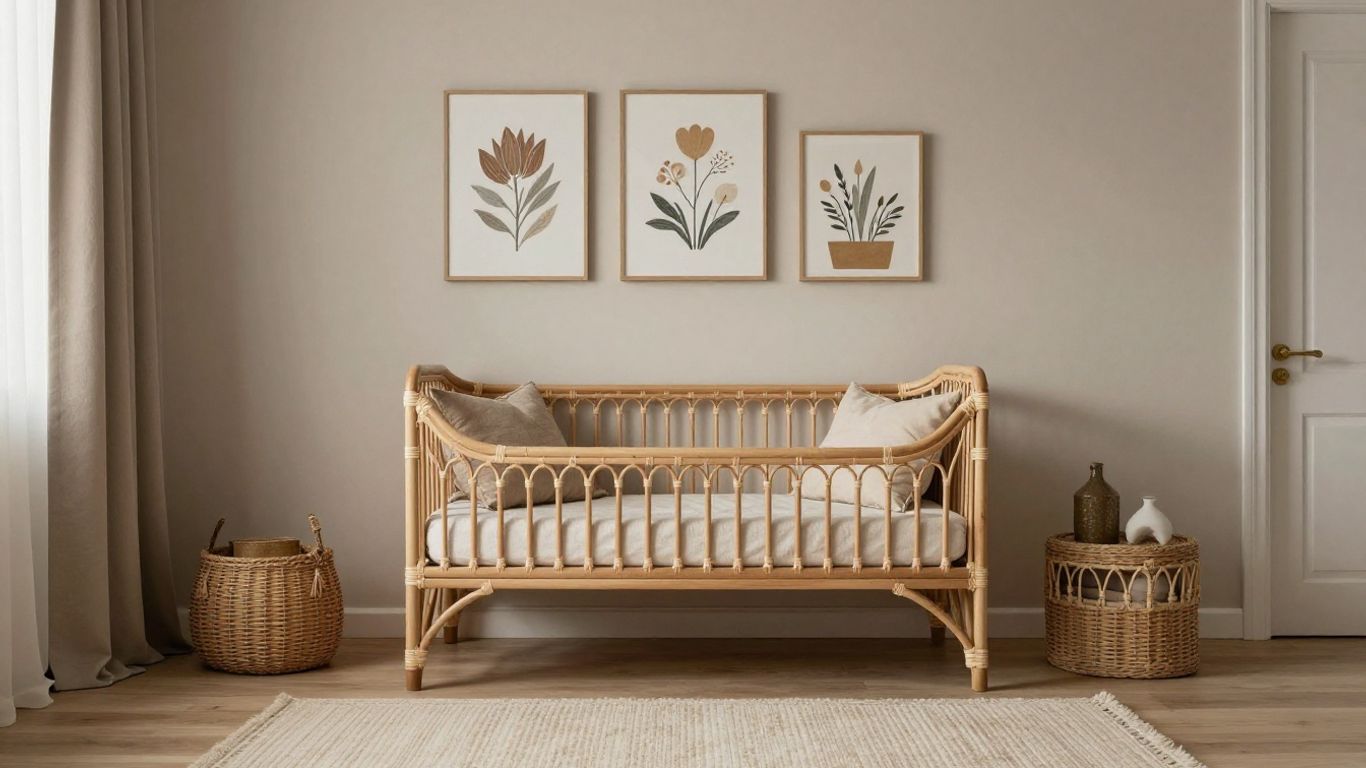
Forget the baby-blue-and-pink-only days, because 2026 is all about shaking up the nursery color scheme. We're seeing a definite move away from those super-light, sometimes washed-out pastels towards richer, more grounded colors that feel a bit more sophisticated. It’s like the nursery is growing up a little, blending more with the rest of your home's style.
The Rise of Earthy Tones and Sage Green
Green, in its many muted forms, is really taking center stage. Think soft sage, mossy greens, or even a gentle olive. These shades are wonderfully calming and gender-neutral, plus they connect the room to nature, which is always a win. Pairing these greens with natural wood furniture and maybe a textured rug creates a really serene vibe. It’s a great way to introduce color without making the room feel too loud.
Embracing Deep Hues for a Grown-Up Feel
On the other end of the spectrum, deep, saturated colors are making a splash. Jewel tones like emerald or a rich forest green can give a nursery a surprisingly luxurious and cozy feel. The trick here is balance. If you go bold with the walls, maybe pair it with a darker crib and some warm accents like leather or brass. It’s about creating a space that feels intentional and stylish, not just for the baby, but for everyone.
Warm Neutrals for a Soothing Sanctuary
And if bold isn't your thing, don't worry. Warm neutrals are still very much in. We're talking about colors that feel inviting and soft, like creamy beiges, warm grays, or even a gentle taupe. These shades create a really peaceful backdrop. They’re super versatile, making it easy to add pops of color or different textures through your decor. It’s all about building a calm, welcoming space.
The shift in nursery palettes reflects a desire for spaces that are both calming for the baby and aesthetically pleasing for parents. It’s about creating a harmonious environment that feels intentional and stylish, moving beyond traditional color expectations.
Here’s a quick look at how these color trends are playing out:
- Sage Green: Perfect for a tranquil, nature-inspired room. Pairs well with light wood and natural fibers.
- Deep Emerald/Forest Green: Adds a touch of drama and sophistication. Best balanced with contrasting elements.
- Warm Neutrals (Beige, Taupe, Warm Gray): Creates a soft, inviting, and adaptable foundation for any decor style.
- Buttercup Yellow: For a cheerful, bright space, this sunny hue can be used on walls or as an accent. See yellow nursery ideas.
It’s really about choosing colors that make you feel good and create the atmosphere you want for your little one’s room. Whether you’re leaning towards earthy greens, dramatic deep tones, or cozy warm neutrals, there are so many ways to move beyond the expected pastels. This approach makes the nursery feel more integrated into your home and reflects a more mature design sensibility, which is something many parents are looking for these days. It’s about creating a space that feels both special and practical, a place where everyone can feel comfortable. For parents looking to make thoughtful choices, understanding these trends can help in curating a baby registry that aligns with their desired nursery aesthetic.
Coastal Whispers and Nautical Nods
This year, we're seeing a move away from overt, cartoonish nautical themes and a shift towards a more sophisticated, subtle nod to the seaside. Think less "pirate ship" and more "serene beach house." It’s all about creating a calm, airy atmosphere that hints at the ocean without being too literal. The key is restraint, focusing on texture and natural elements to evoke the feeling of the coast.
Subtle Seaside Textures
Instead of anchors and steering wheels everywhere, focus on materials that bring the beach indoors. Think about woven baskets for toy storage, soft linen curtains that billow gently, and perhaps a rug with a subtle wave pattern or a sandy texture. Even a simple piece of driftwood or a collection of smooth stones can add that coastal feel. It’s about creating a tactile experience that reminds you of a day by the water.
- Natural Fibers: Jute rugs, rattan furniture, and linen textiles add organic texture.
- Soft Patterns: Look for subtle stripes, gentle wave motifs, or washed-out patterns that mimic seafoam.
- Wood Tones: Light, weathered wood finishes can bring in that driftwood feel.
The goal is to create a space that feels light, breezy, and peaceful, like a gentle sea breeze. It's about capturing the essence of the coast, not replicating it.
Restrained Elegance in Decor
When it comes to decor, less is definitely more. Instead of a room full of themed trinkets, choose a few carefully selected pieces. A beautiful piece of art depicting a seascape, a delicate mobile with capiz shells, or a simple framed print of a lighthouse can add just the right touch. For a truly modern take, consider incorporating elements like pearly finishes or soft, muted blues and grays that mimic the ocean's changing colors. This approach to coastal calm is all about creating a serene environment.
Brass Details and Natural Fibers
To really nail the sophisticated coastal vibe, pay attention to the details. Small brass accents can add a touch of understated elegance – think a drawer pull, a lamp base, or even a small decorative compass. These metallic touches catch the light beautifully and add a bit of polish. Pairing these with those natural fibers we talked about, like cotton or linen, creates a balanced look that feels both refined and comfortable. It’s a style that feels timeless, much like the enduring appeal of vintage nursery elements.
Scandinavian Serenity Meets Cozy Comfort
This design approach is all about creating a peaceful, functional space that feels incredibly warm and inviting. Think clean lines mixed with soft textures. It’s a style that really prioritizes calm and simplicity, making it perfect for a nursery where you want a serene atmosphere.
Functionality with Clean Lines
The core of Scandinavian design is its focus on practicality and uncluttered spaces. Furniture pieces are chosen for their purpose and their simple, elegant forms. You’ll often see light wood tones, like beechwood, used for cribs and dressers. These pieces are not just beautiful; they are built to last and serve their purpose without unnecessary fuss. This blend of form and function means the room feels organized and easy to manage, which is a huge win for busy parents.
Plush Textures and Layered Textiles
While the lines are clean, the feeling is anything but cold. Scandinavian style embraces coziness through layers of soft textiles. Imagine a plush, cream-colored glider or armchair – the perfect spot for feeding or reading stories. Add in chunky knit blankets, soft woven rugs, and linen curtains. These elements add warmth and tactile interest, making the room feel snug and welcoming. It’s about creating a comfortable haven.
The Importance of Natural Light
Maximizing natural light is a big part of the Scandinavian aesthetic. Large windows, often left uncovered or with simple, light drapes, allow sunlight to flood the room. This bright, airy feel is central to creating that serene atmosphere. It makes the space feel larger and more uplifting. If you can, position the crib or a cozy reading nook near a window to take full advantage of this natural glow. It really makes a difference in how the room feels throughout the day. You can find some great ideas for Scandi style for nurseries that highlight this.
Floral Fantasies and Botanical Dreams
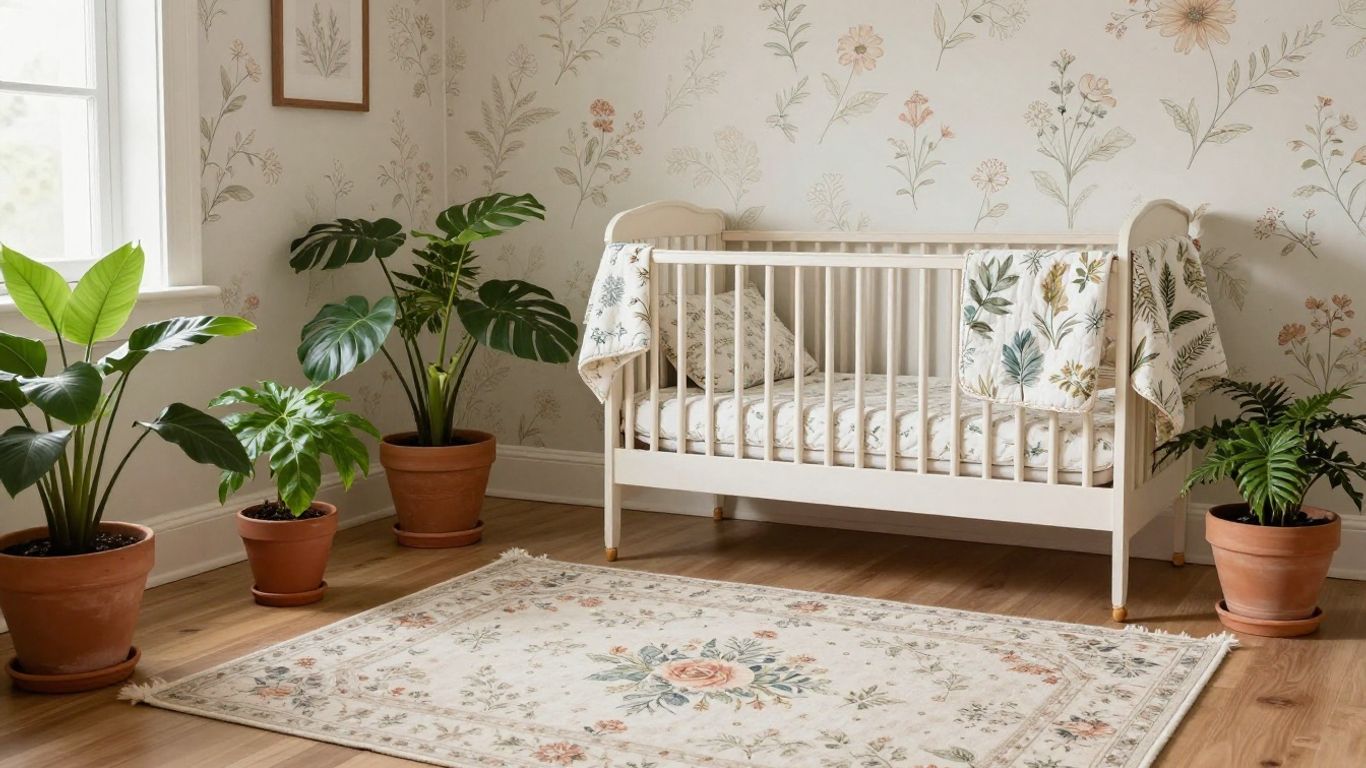
Forget those overly sweet, cartoonish prints of yesteryear. In 2026, floral and botanical themes for nurseries are all about sophistication and a touch of grown-up charm. We're seeing a real move towards designs that feel both whimsical and grounded, bringing the beauty of the outdoors in without being overwhelming. It's about creating a serene, nature-infused sanctuary for your little one.
Timeless Rose Patterns and Ditsy Florals
Classic rose patterns are making a huge comeback, but with a modern twist. Think softer color palettes, perhaps a muted blush or a dusty rose on a cream background, rather than anything too bold. Ditsy florals, those tiny, scattered blooms, are also incredibly popular. They offer a delicate, vintage feel that’s just perfect for a nursery. These patterns work wonderfully on wallpaper, bedding, or even as subtle accents on curtains. They pair beautifully with natural wood furniture and soft, linen textiles, creating a look that’s both sweet and refined.
Watercolor Blooms and Meadow-Inspired Designs
If you’re looking for something a bit more artistic, watercolor blooms are a fantastic choice. These designs have a dreamy, almost ethereal quality, with soft edges and blended colors that feel incredibly calming. Meadow-inspired designs, featuring a mix of wildflowers and greenery, also bring a sense of gentle abundance to the room. These styles often lean into nature-inspired palettes, incorporating shades of sage green, soft blues, and earthy tones. You can find these on large-scale murals or as repeating patterns. It’s a lovely way to bring a bit of the garden inside, creating a peaceful backdrop for your baby.
Pairing Florals with Natural Wood and Linen
When you're working with floral or botanical patterns, the key to keeping the space feeling fresh and not too busy is in the supporting elements. Natural wood furniture, like a light oak crib or a rattan storage basket, adds warmth and texture that complements these organic designs. Linen curtains and bedding in neutral tones or soft, coordinating colors help to ground the look. Avoid anything too shiny or synthetic; the goal is a soft, tactile environment. Consider adding a few plush toys in natural colors or a simple, woven rug to complete the cozy, botanical vibe. It’s all about creating a harmonious blend of pattern and natural materials for a truly tranquil space. You can explore some beautiful floral wallpaper options that fit this trend perfectly.
Step into a world of blooming beauty and enchanting gardens with our "Floral Fantasies and Botanical Dreams" section. Discover stunning arrangements and learn about the magic of plants. Ready to bring some of this natural wonder into your life? Visit our website today to explore more and find your perfect floral inspiration!
Wrapping It All Up
So there you have it! We've looked at some really cool ways to give your baby's room that special vintage vibe that's totally in right now. It’s all about mixing those charming old-school details with what works best for today’s families. Think soft colors, natural textures, and maybe a few heirlooms to make it feel extra personal. Whether you're leaning into floral patterns or keeping things a bit more simple with natural wood, the goal is to create a cozy, beautiful space that feels just right for your little one. It’s pretty neat how these trends let you create something that’s both stylish and super welcoming, a real sweet spot for your baby to grow and explore.
Frequently Asked Questions
What makes a nursery feel 'vintage'?
A vintage nursery often uses details that remind you of older times. Think about things like old-fashioned furniture with curves, delicate patterns on wallpaper, or even antique-looking decor pieces. It's all about creating a cozy and timeless feel, like a cherished heirloom.
Are bright colors still popular for nurseries in 2026?
While soft pastels used to be the main choice, 2026 is seeing a shift. People are choosing more earthy and natural colors, like sage green or warm terracotta. Sometimes, deeper, richer colors are used too, to give the room a more sophisticated vibe.
What is 'Cottagecore' style for a nursery?
Cottagecore is all about a cozy, nature-filled, and slightly old-fashioned look. For a nursery, this means lots of soft textures, floral patterns, natural materials like wood and woven baskets, and maybe a dreamy canopy over the crib. It's the opposite of plain and simple.
How can I make my nursery walls more interesting?
Instead of just painting a single wall, people are now treating walls like a canvas. You can use wallpaper with beautiful patterns, like florals or sophisticated designs, or add texture to make the walls a main feature of the room.
What's the difference between a nautical and a coastal nursery?
A coastal nursery focuses more on the feeling of the seaside, using soft textures, natural fibers, and maybe some brass accents. A nautical nursery might have more direct sea-themed items, but the trend in 2026 is to keep it subtle and elegant, not too cartoonish.
Is Scandinavian style good for a nursery?
Yes, Scandinavian style is great for nurseries because it's all about being calm and functional. It uses clean lines, simple furniture, and lots of soft, layered fabrics to create a peaceful and cozy space. Good natural light is also a big part of this style.
Ready to get prepared?
Build your personalized pregnancy checklist
Free, personalized, and built around your birth plan, budget, and due date.
Start My Checklist — Free →