"Baby Registry Items You'll Use Every Day vs. Items That Collect Dust"
Discover baby registry items you actually use! We break down essentials vs. dust collectors for sleep, feeding, and more. Save time & money!

Building your baby registry can feel like a huge task, right? You're trying to picture your life with a tiny human and figure out what you'll actually need. It's easy to get caught up in all the cute gadgets and 'must-have' items, but let's be real: not everything you register for is going to be a daily lifesaver. We're here to help you sort through the noise and focus on the baby registry items you actually use, saving you space, money, and sanity.
Key Takeaways
- Focus on items you'll use multiple times a day in the first few months, like sleep essentials, feeding gear, and diapering supplies. Things like high chairs and baby food makers can wait.
- Consider your lifestyle and living situation when choosing big items like strollers and carriers. A compact carrier might be better for apartment living, while a larger stroller could work for a house.
- Don't forget about yourself! Register for postpartum recovery items for mom, as you'll need support during your own healing process.
- Skip single-use gadgets and items that seem unnecessary, like wipe warmers, diaper pails, and newborn shoes. Regular household items or basic trash cans often do the job just fine.
- Prioritize flexibility. Babies are unpredictable, so choose registries that allow for easy exchanges and be open to trying different brands or types of products.
Sleep Essentials: Where Baby Will Rest Their Head
Getting your little one settled for sleep is a big part of the newborn phase. It feels like they sleep all the time, but also never sleep at all, right? Let's talk about the gear that actually makes a difference for those precious (and sometimes very long) nights.
The Bassinet Advantage: Your Newborn's Cozy Cocoon
For those first few months, a bassinet can be a real game-changer. It's smaller than a crib, which makes it feel cozier for a tiny newborn. Plus, having it right next to your bed makes those middle-of-the-night feedings and diaper changes so much easier. You don't have to stumble down the hall in a sleep-deprived haze. Many parents find that a bedside bassinet is the perfect solution for room-sharing, which is recommended for the first six months to a year.
- Portability: Most bassinets are lightweight and some even have wheels, so you can move them from room to room if needed.
- Space-saving: They take up less floor space than a full-size crib, which is great for smaller bedrooms.
- Ease of access: Being able to reach your baby without fully getting out of bed is a lifesaver.
Transitioning to the Crib: What to Consider
Eventually, your baby will outgrow the bassinet and need a bigger space to sleep. That's where the crib comes in. When you're picking one out, think about safety and longevity. A crib that converts to a toddler bed can be a smart investment, saving you money down the line. Make sure it meets current safety standards and has a firm mattress. You'll also want a few fitted crib sheets – at least two is a good idea so you have a backup when one is in the wash.
- Firm Mattress: A firm surface is important for safe sleep. Avoid soft mattresses or anything that leaves an indentation.
- Breathable Materials: Look for mattresses and sheets made from breathable fabrics to help regulate your baby's temperature.
- Convertible Options: Consider a crib that can be adjusted as your baby grows, from a crib to a toddler bed.
Setting up a safe sleep environment is the most important thing you can do. Always follow safe sleep guidelines, like placing your baby on their back on a firm, flat surface with no loose bedding.
Beyond the Basics: What Sleep Gadgets to Skip
There are a ton of gadgets out there promising to make your baby sleep better, but honestly, most of them aren't worth the hype or the money. Fancy crib mobiles that play music might be nice, but they're not a necessity. Similarly, while some parents swear by baby sleep positioners, the American Academy of Pediatrics advises against them due to safety concerns. Focus on the basics: a safe place to sleep, a consistent routine, and maybe a sound machine. You can find a good sound machine that also functions as a night light and a timer, which is pretty handy. For those who want extra peace of mind, a baby monitor that tracks breathing motion can be a worthwhile addition, offering sleep analytics so you can check in without disturbing your little one. This guide has some great tips on what to register for.
- Avoid: Overly complicated gadgets with lots of flashing lights or sounds that might actually disrupt sleep.
- Consider: Simple, multi-functional items like a sound machine with a night light.
- Prioritize: Safety and simplicity over novelty features.
Feeding Frenzy: What You'll Actually Use Daily
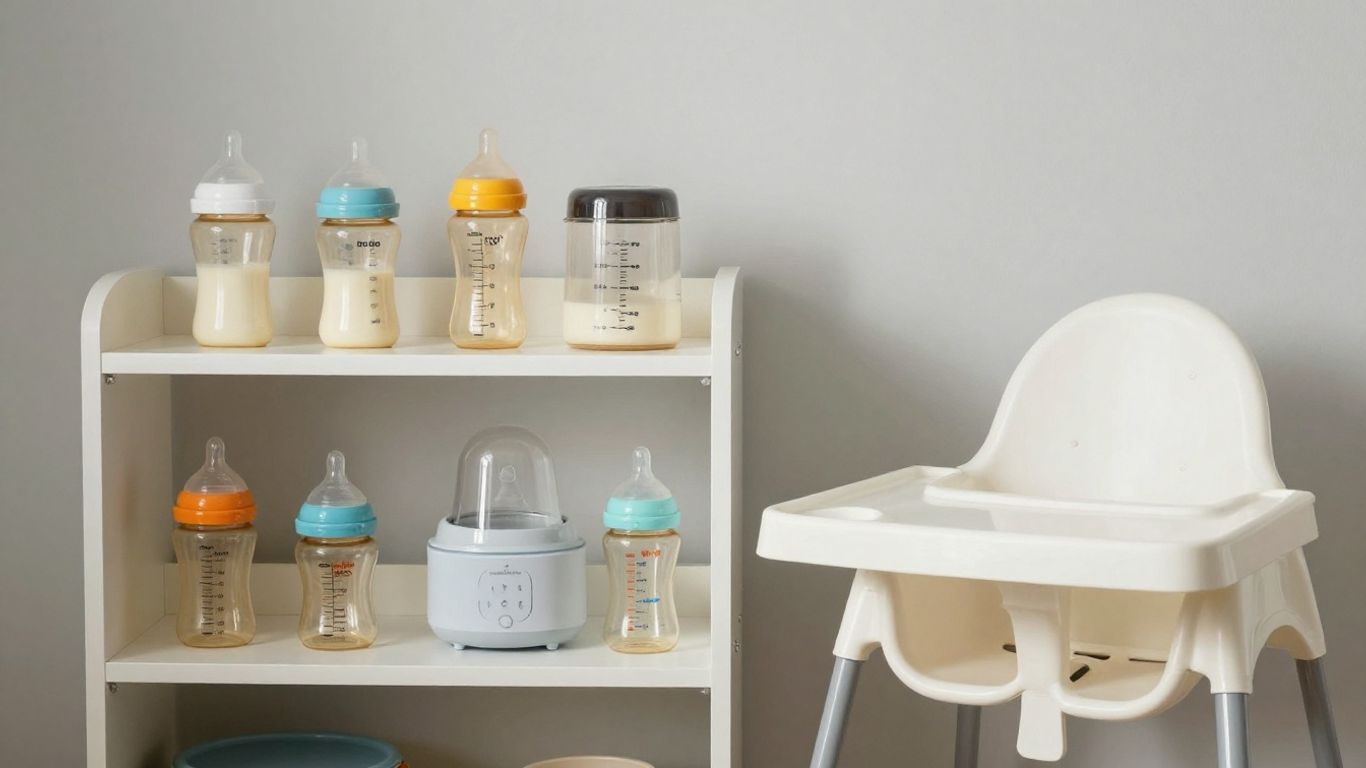
Feeding your little one is a big part of your day, and having the right gear can make all the difference. Forget the fancy gadgets; we're talking about the items you'll reach for constantly, whether you're breastfeeding, bottle-feeding, or a bit of both.
Bottle Feeding Favorites: Must-Have Gear
If you're planning on bottle-feeding, or even if you're just supplementing breastfeeding, you'll want a solid set of bottles. Aim for about 8-10 bottles to start, as you'll be washing them frequently. A good bottle brush is non-negotiable for keeping them clean, and a drying rack will save counter space. Don't get too caught up in the hype of specific bottle brands; babies can be picky, and what works for one might not work for another. It's often best to get a few different types or ask for a variety as gifts. If you're going back to work, a breast pump is a must-have, along with milk storage bags to save that liquid gold. Some parents also find a formula mixing pitcher helpful for preparing multiple bottles at once, cutting down on middle-of-the-night shaking.
Breastfeeding Support: Essential Items for Comfort
Breastfeeding can be a beautiful bonding experience, but it can also come with its challenges. Nursing bras are a lifesaver, providing comfort and easy access. A nursing pillow can also offer great support for both you and the baby during those long feeding sessions. For nipple care, many moms swear by sterling silver nursing cups. They're designed to help heal cracked nipples and prevent issues like mastitis, offering a natural solution without needing creams you have to wash off before the next feed. If you plan to pump, a reliable breast pump is key, and don't forget plenty of milk storage bags.
Beyond the Bottle: When to Register for Solids
While the focus is on feeding newborns, it's worth thinking ahead to when your baby starts solids. You won't need a dedicated baby food maker right away; a regular blender works just fine for purees. However, as you approach the 4-6 month mark, you'll want to have some basics ready. Think soft bibs (silicone or muslin are great for easy cleanup), small bowls, and tiny utensils designed for little hands. These items will make the transition to solid foods much smoother. For a great starting point on feeding solids, check out this guide on first foods for baby.
Remember, feeding plans can change, and that's perfectly okay. Registering for a mix of breastfeeding and bottle-feeding essentials gives you flexibility. You can always return or exchange items you don't end up using, so don't stress too much about getting it perfect the first time. Building a registry that allows for easy exchanges is a smart move for any parent-to-be.
Here's a quick look at what you'll likely use daily:
- Bottles: 8-10 to start.
- Bottle Brush: For thorough cleaning.
- Drying Rack: To keep bottles organized.
- Breast Pump: If returning to work or planning to pump.
- Milk Storage Bags: For saving pumped milk.
- Nursing Bras: For comfort and convenience.
- Nursing Pillow: For feeding support.
- Bibs: For when solids start.
- Small Bowls & Utensils: For baby's first meals.
Diaper Duty Delights: Keeping Baby Clean and Comfy
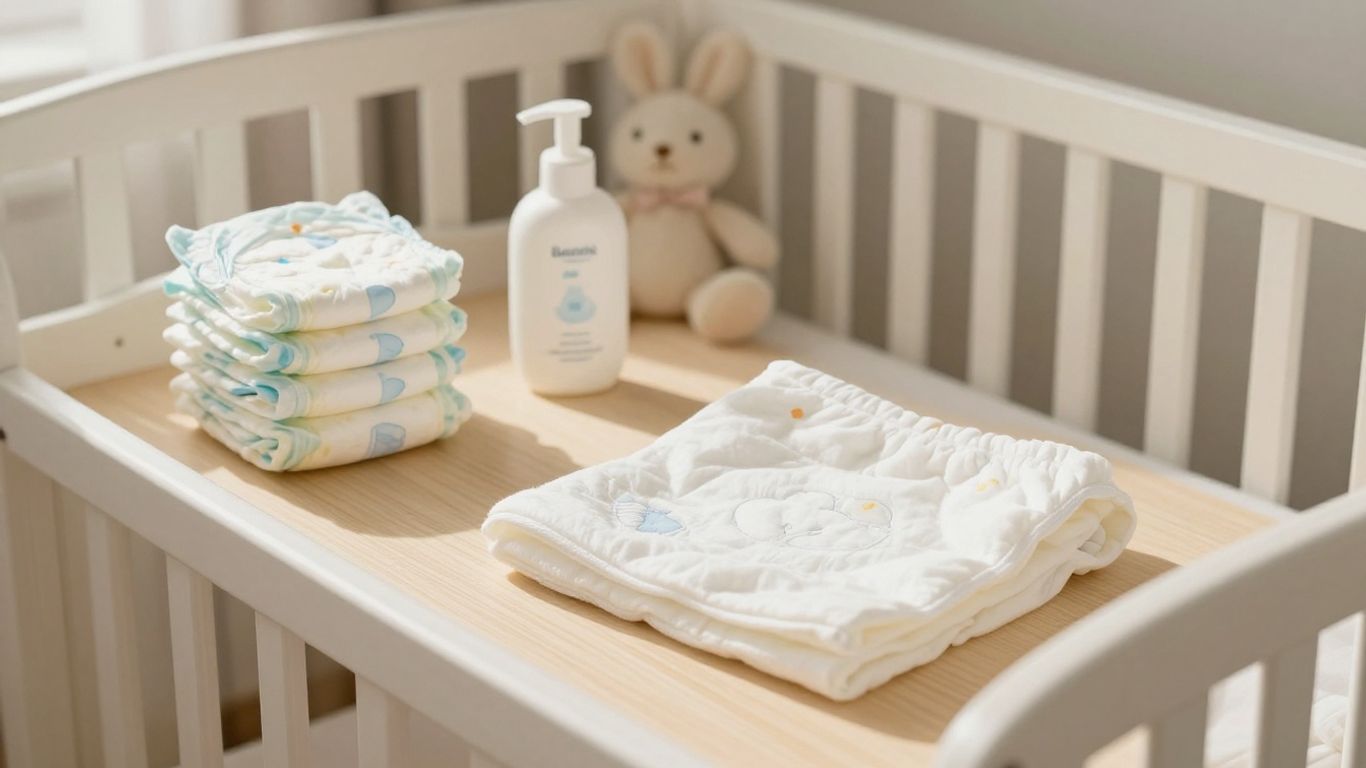
Let's talk about the nitty-gritty: diaper changes. It's a part of parenting that happens around the clock, so having a good setup makes a world of difference. You'll be doing this so many times a day, you'll start to lose count!
The Changing Station Setup: Pad and Covers
Setting up a dedicated changing station is a game-changer. Whether you have a fancy changing table or just a dresser top, make sure it's sturdy and safe. A good changing pad is a must. Look for one that's wipeable and has a bit of cushioning for your little one's comfort. Having a couple of washable covers means you're always ready, even if an unexpected mess happens.
- Comfort is Key: A soft pad makes diaper changes more pleasant for baby.
- Easy Cleanup: Opt for waterproof or wipe-clean surfaces.
- Safety First: Always use the safety straps and never leave your baby unattended.
Wipes and Cream: Consumables That Matter
These are the workhorses of diaper duty. You'll go through wipes faster than you think, so stocking up is smart. Fragrance-free and hypoallergenic options are usually best for sensitive baby skin. And don't forget the diaper rash cream! A good barrier cream can prevent a lot of discomfort for your little one. It's worth trying a few different brands to see what works best for your baby's skin. You might even consider asking for a variety of diapers and wipes on your registry to test them out.
Diaper Pails: Do You Really Need One?
This is where opinions can really differ. A diaper pail is designed to lock away odors, which, let's be honest, can be a lifesaver. Some are simple bins, while others have special liners or sealing mechanisms. If you're sensitive to smells or have a small living space, a good diaper pail might be worth the investment. However, many parents find that a regular trash can with frequent emptying and a good odor-absorbing bag does the trick just fine. It really comes down to your personal preference and tolerance for… well, the smell.
The sheer volume of diaper changes can be overwhelming, but a well-organized station and readily available supplies can turn a potentially stressful task into a manageable routine.
On the Go: Travel Gear That Simplifies Life
Getting out and about with a new baby can feel like a huge production, can't it? Suddenly, a quick trip to the grocery store requires a mental checklist longer than your arm. But the right gear? It makes all the difference. Think of it as your baby-travel toolkit, designed to make those outings smoother and, dare I say, even enjoyable.
Choosing the Right Stroller for Your Lifestyle
This is a big one. Your stroller isn't just for walks in the park; it's your mobile command center. Are you a city dweller who zips through crowded sidewalks and hops on public transport? Or do you live in the suburbs and need something with more robust wheels for varied terrain and ample storage for all the "just in case" items? Consider your daily routine. A lightweight umbrella stroller is fantastic for quick errands once your baby is a bit older, but for newborns, you'll want something that can accommodate an infant car seat or has a bassinet attachment. The key is to match the stroller to how you actually live, not how you wish you lived.
Here are a few things to ponder:
- Maneuverability: How easy is it to push and turn, especially with one hand?
- Storage: How much space do you need for diaper bags, shopping, or park toys?
- Foldability: Does it fold easily and compactly for your car trunk or small apartment?
- Durability: Will it hold up to daily use and different weather conditions?
Baby Carriers: Your Hands-Free Solution
Oh, the baby carrier. This might just be your new best friend, especially in those early months. It keeps your little one close and snug while freeing up your hands for, well, everything else. Making coffee, doing laundry, or just navigating a busy store becomes so much easier when you're not juggling a baby and a bag. There are several types, from soft wraps that create a cozy pouch to structured carriers with more support. Look for one with adjustable straps and a wide base for good ergonomic support for both you and your baby. It’s amazing how much more you can accomplish when your hands are free. Some parents find a carrier is a lifesaver for soothing a fussy baby, too.
Car Seats: Safety First, Always
This is one piece of gear where you absolutely cannot compromise. A car seat is non-negotiable for bringing your baby home from the hospital and for any car travel thereafter. Infant car seats are designed for newborns and typically click into a base that stays in the car, making it easy to move your sleeping baby without disturbing them. Many also attach to strollers, creating a convenient travel system. When choosing, always check the safety ratings and make sure it fits your car properly. It's worth spending time researching and even trying them out if possible. Remember, you'll need to get this right for safe travel, and it's a good idea to have a portable changing pad ready for when you're out and about.
Getting out with a baby doesn't have to be a production. With the right stroller, a comfortable carrier, and a safe car seat, you can tackle errands, visit friends, or just enjoy some fresh air without feeling overwhelmed. It's all about choosing gear that fits your life and makes things a little bit easier.
Wardrobe Wonders: Dressing Your Little One
Getting your baby dressed might seem simple, but there are a few things to consider beyond just picking out cute outfits. You'll want to have a good mix of practical pieces that can handle the inevitable messes and growth spurts.
Sizing Up: Newborn vs. 0-3 Months
Babies grow so fast, it's almost comical. That adorable newborn outfit you just bought might only fit for a few weeks, if that. It's smart to have a few items in each size, but don't go overboard on the tiniest "newborn" size. Many babies are already on the larger side when they arrive. A good starting point is to have a handful of newborn items and then a larger quantity of 0-3 month clothing. You'll also want to think about the season and what your baby will actually need.
Here's a quick breakdown:
- Newborn (NB): For babies typically under 8 pounds. Might be used for a few weeks or not at all.
- 0-3 Months: For babies typically 8-12.5 pounds. This is often the first size they'll wear consistently.
- 3-6 Months: For babies typically 12.5-16.5 pounds. You'll want a good stock of this size as they start to move and grow more.
It's a good idea to ask for a variety of sizes on your registry, and maybe even some diapers in different brands and sizes to see what works best for your little one. A diaper raffle is a fun way to stock up!
Sleepers and Onesies: Zippers Over Snaps
When it comes to everyday wear, especially for sleep, comfort and ease of use are key. You'll be changing a lot of diapers, and fumbling with tiny snaps in the middle of the night can be a real challenge. Zippers are your best friend for nighttime changes. They make it so much quicker to get your baby in and out of their sleepwear. Look for footed pajamas with zippers that go all the way down. Onesies are also super handy for daytime wear, acting as a base layer or worn on their own. Having plenty of these is a must, as spit-ups and diaper blowouts are practically guaranteed. You can never have too many white onesies!
The Shoe Debate: When Do They Actually Need Them?
This is one area where you can probably hold off on registering for too much. Babies don't need shoes until they are actively walking. Before that, soft socks or footed pajamas are perfectly fine for keeping their little feet warm. Once they start cruising or taking steps, you'll want to look for flexible, soft-soled shoes that allow their feet to develop naturally. For the first year, focus on comfort and practicality. You might find that a good pair of socks or booties are all you need for a long time. If you're looking for versatile baby gear that grows with your child, consider modular children's wardrobes that can adapt to changing needs.
Don't get too caught up in outfits for photoshoots or special occasions early on. Your baby will spend most of their time in comfortable, easy-to-change basics. Focus on quantity and practicality for the first year, and you can always add more stylish pieces later as they develop their own personality (and as you have more energy to shop!).
Mom's Recovery Kit: Don't Forget Yourself!
It's so easy to get caught up in all the baby gear, right? We spend hours picking out the perfect stroller, the cutest onesies, and the most advanced bottle warmer. But in all the excitement, one person often gets overlooked: YOU! Your body just did something incredible, and it deserves some serious TLC. Don't let your baby registry be all about the little one. Make sure to include items that will help you recover and feel more comfortable during those first few weeks and months. It's not selfish; it's smart self-care.
Postpartum Essentials for Comfort
This is where you can really make a difference in your own comfort. Think about what you'll need when you're healing and maybe not feeling your best. A good peri bottle is a game-changer for gentle cleaning. And when it comes to pads, you'll want something designed for heavy flow – think overnight pads, even during the day. Some moms also find a stool softener incredibly helpful, especially in the early days. It's one of those things you might not think of, but you'll be so glad you have it.
- Peri bottle for easy cleaning
- Heavy-flow overnight pads
- Stool softener (check with your doctor first!)
- Comfortable, loose-fitting loungewear
Nipple Care: Soothing Solutions
If you're planning to breastfeed, nipple care is going to be a big one. Cracked, sore nipples can make feeding really painful. While creams are an option, some parents prefer other methods. Moogco Silver Nursing Cups are a popular choice because they're made of sterling silver, which has natural healing properties and can help prevent infection. They're a reusable option that many moms swear by for soothing discomfort and keeping things comfortable during those initial feeding sessions. You can find out more about how these cups work.
Nursing Bras: A Must-Have for Feeding
Forget those old bras you wore during pregnancy. You'll need nursing bras that offer support but also easy access for feeding. It's a good idea to register for a few different sizes, as your needs might change. Look for ones that are comfortable for sleeping in, too, as you'll likely be wearing them around the clock. Having a few on hand means you're not constantly washing the same one. It's a small thing, but it makes a big difference in your daily comfort.
Remember, your recovery is just as important as the baby's arrival. Prioritizing your own well-being will make you a more patient and present parent. Don't hesitate to add these practical items to your list; your future self will thank you.
Taking care of yourself after baby arrives is just as important as preparing for their arrival. Your "Mom's Recovery Kit" should include items that help you heal and feel your best. Don't forget to pack things that bring you comfort and make your recovery smoother. Visit our website for a complete guide on building your personal recovery kit and ensure you're taking care of yourself too!
So, What's the Takeaway?
Look, building a baby registry can feel like a huge task, and honestly, it's easy to get caught up in all the cute stuff. But remember, you don't need a million gadgets to be a great parent. Focus on the things you'll actually use day in and day out – the items that make feeding, sleeping, and diaper changes a little bit easier. And don't be afraid to ask for what you need, or to swap things out if they aren't working. Your baby, your rules, and your sanity will thank you for it!
Frequently Asked Questions
How many items should I put on my baby registry?
You don't need a huge list! Aim for about 12-20 really important things you'll use every single day, like a safe place for baby to sleep, feeding supplies, and diapers. You can add a few more things that are nice to have or in different sizes, but focus on the must-haves first. Think quality over quantity!
What's the most common mistake parents make with their registry?
Many parents register for too many single-use gadgets or items that look cute but aren't practical. Things like wipe warmers, fancy diaper pails, or tiny baby shoes often end up not being used. It's better to pick items that can do more than one job or that you know you'll use constantly.
Should I register for newborn clothes or 0-3 month clothes?
It's best to register mostly for 0-3 month sizes. Babies grow super fast, and many newborns outgrow the tiny newborn size in just a week or two, or they might be too big for it right from the start. A few newborn outfits are okay for pictures, but focus on the next size up for actual wear.
What should I register for if I'm not sure if I'll breastfeed or bottle-feed?
It's totally fine to register for basics for both! Many feeding plans change, so having a few bottles and some breastfeeding supplies like nursing bras and nipple cream can be helpful. You can always return or exchange what you don't end up needing once your baby arrives.
Are there any items that are considered unsafe and should be avoided?
Yes, definitely! Crib bumpers are no longer recommended because they can be a safety hazard. Also, avoid anything that seems too bulky or unnecessary, like giant baby bathtubs that your sink can do just as well, or bottle warmers when a mug of warm water works fine.
What about items for the mom recovering after birth?
It's crucial to include items for yourself! Childbirth is a big deal, and you'll need things to help you recover comfortably. Think about things like comfortable nursing bras, pads for recovery, and soothing nipple care products. Don't forget to take care of yourself too!
Ready to get prepared?
Build your personalized pregnancy checklist
Free, personalized, and built around your birth plan, budget, and due date.
Start My Checklist — Free →