"Breastfeeding Essentials: What You Need Before Baby Arrives"
Discover essential breastfeeding items like nursing pillows, bras, and creams. Get your breastfeeding essentials list ready for baby's arrival!

Getting ready for a new baby can feel like a lot, right? Especially when it comes to figuring out what you actually need for breastfeeding. It's easy to get lost in all the advice and products out there. But don't worry, we've broken down the must-haves to make your breastfeeding journey a little smoother from the start. Think of this as your go-to breastfeeding essentials list, focusing on comfort and ease.
Key Takeaways
- A good nursing pillow can make a big difference in supporting you and your baby during feedings, helping to ease strain on your body.
- Comfortable, supportive nursing bras and easy-access clothing are key for making feeding times more manageable.
- Having nipple cream and nursing pads ready can help soothe discomfort and manage leaks, which are common early on.
- Understanding your options for breast pumps and safe milk storage can offer flexibility and help manage your milk supply.
- Staying hydrated with a large water bottle and having nourishing meals planned will support your recovery and milk production.
Comfort is Key: Your Breastfeeding Essentials List
Getting ready for your little one is exciting, and setting up your breastfeeding station is a big part of that! It’s not just about the baby, though; making sure you are comfortable and supported is super important for a smooth start. Think of these items as your personal comfort kit for those precious feeding moments.
The Essential Nursing Pillow
Holding a tiny human for extended periods can be surprisingly tiring. That's where a good nursing pillow comes in. It's designed to give your baby a comfy, elevated spot, which can really help take the strain off your arms, neck, and shoulders. Plus, it can make trying out different feeding positions a lot easier. Some moms even find them helpful for tummy time or as a support for sitting up later on. It’s a simple item, but it makes a world of difference in those early days.
Supportive Nursing Bras and Clothing
Your breasts will likely feel fuller and heavier, especially in the beginning. A well-fitting nursing bra is a game-changer. Look for ones with easy-to-open clasps for quick access. Since your size might change a bit, it’s a good idea to start with just a couple and then get more as you figure out what works best. As for clothing, think about tops with easy access, like button-downs or tanks with a built-in bra. You don't need a whole new wardrobe, but a few key pieces can make a big difference in feeling put-together and comfortable when you need to feed your baby on the go.
Cozy Undergarments for Mom
Beyond the nursing bra, think about comfortable undies. You’ll want soft, breathable options that don't dig in. Some moms prefer high-waisted styles for extra comfort. It’s also worth considering some comfortable loungewear or pajamas that make nursing easy. Think soft fabrics and easy access – you’ll be spending a lot of time in these clothes, so comfort is definitely the priority. You might even find some creative pregnancy announcement ideas that involve comfy clothes, but for now, focus on what makes you feel good post-baby.
Soothing Solutions for Tender Moments
Breastfeeding is a beautiful bonding experience, but let's be real, it can sometimes come with a bit of discomfort. Your nipples might get a little sore, and leaks can happen when you least expect them. Having a few key items on hand can make a world of difference in keeping you comfortable and confident.
Nipple Cream for Comfort and Healing
Those first few weeks of breastfeeding can be tough on your nipples. They're adjusting, and sometimes that means a bit of soreness or even cracking. A good nipple cream is your best friend during this time. It acts as a protective barrier and helps soothe and heal delicate skin. Look for creams made with purified lanolin or plant-based ingredients. You'll want to apply it after feedings, or whenever you feel a bit of discomfort. It's amazing how a little bit of cream can make such a big difference in your breastfeeding journey. Many moms find that having a trusted nipple cream for comfort ready to go makes those early days much more manageable.
Nursing Pads for Leakage Control
Ah, let-down. It's a sign your body is making milk, but it can also mean unexpected leaks. Nobody wants to deal with wet spots on their shirt, especially when you're out and about. Nursing pads are designed to absorb this excess milk and keep you feeling dry and fresh. They come in a few different types:
- Disposable Nursing Pads: These are super convenient for on-the-go. You just use them and toss them. They're great for travel or when you're not sure when you'll be able to change.
- Washable Nursing Pads: Made from soft fabrics like cotton or bamboo, these are eco-friendly and cost-effective in the long run. Just toss them in the wash with your baby's clothes.
- Silicone Nursing Pads: These create a seal that can help prevent leaks and also protect sore nipples from clothing friction.
It's a good idea to have a mix of both disposable and washable pads to see what works best for your needs. You might find you need more on some days than others, so keeping a stash in your diaper bag is always a smart move.
Making Milk Management Easier
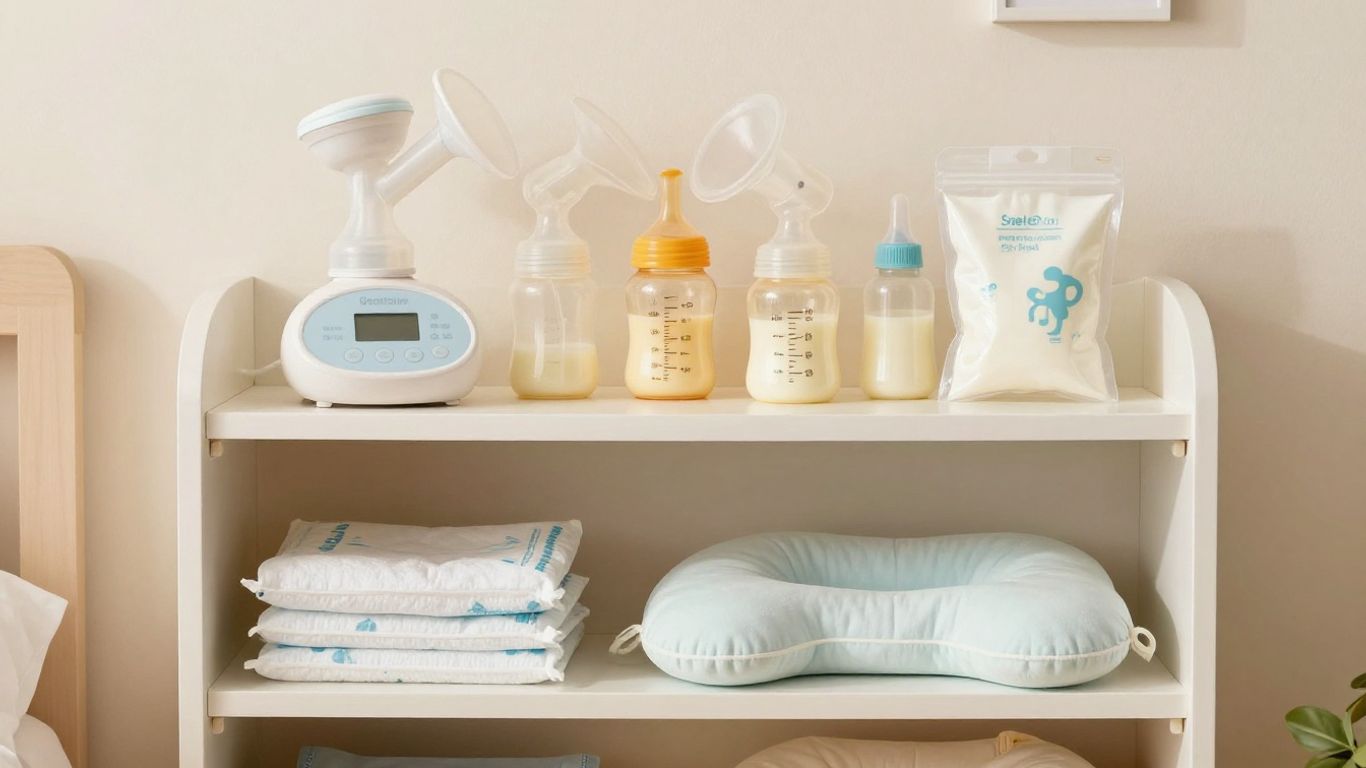
Managing your milk supply and storing it safely are big parts of the breastfeeding adventure. It might seem a little daunting at first, but with the right tools and a little know-how, you'll be a pro in no time. Let's break down what you need to think about before your little one arrives.
Understanding Breast Pump Options
So, you're thinking about a breast pump? Great idea! A pump isn't just for when you go back to work; it's a super handy tool for all sorts of reasons. It can help ease engorgement if your milk comes in strong, or even help boost your supply if you feel like you need a little more. Plus, having some pumped milk ready means someone else can feed the baby, giving you a much-needed break. It's all about flexibility and making sure your baby gets fed, no matter what's going on.
There are a few main types to consider:
- Manual Pumps: These are operated by hand and are usually more affordable. They're great for occasional pumping or if you're just starting out.
- Electric Pumps: These do the work for you! They can be single or double (pumping both breasts at once, which saves a lot of time). Many moms find double electric pumps to be a lifesaver for efficiency.
- Hospital-Grade Pumps: These are the most powerful and are often recommended for moms with specific supply concerns or premature babies. You can sometimes rent these.
It's a good idea to chat with a lactation consultant before you buy, as they can help you pick the best pump for your needs. They can also guide you on how to pump effectively without creating an oversupply.
Safe Breast Milk Storage Solutions
Once you've pumped some milk, you'll need a way to store it. This is where breast milk storage bags come in handy. These bags are designed specifically for breast milk, and they're tough enough to go from the fridge to the freezer. Properly stored breast milk can last quite a while, giving you options for feeding your baby even when you're not around.
Here's a quick rundown on storage:
- Room Temperature: Freshly expressed milk can usually be kept out for up to 4 hours.
- Refrigerator: Store it in the back of the fridge for up to 4 days.
- Freezer: In a deep freezer, it can last up to 12 months, though using it within 6 months is best for quality.
Always label your bags with the date and time you pumped the milk. This helps you use the oldest milk first. It's also important to cool the milk quickly before storing it. You can find lots of helpful tips on safe breast milk storage from various health organizations.
Having a plan for pumping and storage can really reduce stress. It means you're prepared for unexpected situations and can share the feeding duties, which is a win-win for everyone involved. Don't forget to clean your pump parts thoroughly after each use to keep everything hygienic.
Hydration and Nourishment for Mom

Taking care of yourself after bringing a new baby home is just as important as preparing for their arrival. When you're breastfeeding, staying hydrated and eating well makes a big difference in how you feel and how much energy you have. It's not about complicated diets; it's about simple, smart choices.
Your Essential Water Bottle
Seriously, get a big water bottle. You'll be surprised how much fluid you need, especially when you're nursing. Keeping a large water bottle with a straw or a spout right by your side makes it so much easier to sip throughout the day. Think of it as your personal hydration station. Aim to refill it multiple times daily. Staying hydrated helps with milk production and keeps you from feeling drained.
Nourishing Meals for Postpartum Recovery
When you're in the thick of newborn life, cooking elaborate meals is probably the last thing on your mind. That's where some prep work comes in handy. Before the baby arrives, try making and freezing some easy-to-reheat meals. Think casseroles, soups, or stews. Having these ready to go means you can still eat well without a lot of fuss. Focus on foods that give you sustained energy. A balanced intake is key for both you and your baby. This page has some good general ideas about what a healthy diet looks like for breastfeeding mothers.
- Easy-to-grab snacks: Keep things like nuts, dried fruit, yogurt, and cheese sticks within reach for quick bites between feedings.
- Hearty breakfasts: Oatmeal, eggs, or whole-grain toast can set you up for a good start to the day.
- One-pot wonders: Chili, pasta dishes, or stir-fries that can be made in large batches are lifesavers.
Preparing your kitchen with pre-portioned snacks and easy-to-heat meals can significantly reduce stress during those first few weeks. It's about making nourishment accessible when you have the least amount of time and energy.
Don't forget that friends and family often want to help. Accepting offers of prepared meals or even just a grocery delivery can be a huge relief. It's okay to let people support you during this time. You're doing a great job, and taking care of your own needs will help you take even better care of your little one.
Helpful Resources for Your Journey
Getting ready for a new baby is a big deal, and sometimes it feels like you're drowning in information. But don't worry, there are some really great places to turn when you need a little extra help or just want to feel more confident about breastfeeding. Think of these as your support squad, ready to cheer you on.
Your Go-To Breastfeeding Guide
Having a solid guide can make all the difference. It's like having a friend who's been there and knows exactly what to do. These guides often cover everything from getting a good latch to dealing with common issues. Seriously, having a good resource book or a downloadable guide can save you a lot of stress in those early days. It's amazing how much easier things feel when you have clear, practical advice right at your fingertips. You can find tons of helpful tips online, and many organizations offer free guides to get you started. It's a good idea to look for one that covers different feeding methods, just in case your journey takes a few turns.
Connecting with Lactation Consultants
Sometimes, you just need to talk to a pro. Lactation consultants are like breastfeeding superheroes. They have the knowledge and experience to help with pretty much any challenge you might face, whether it's figuring out a tricky latch, managing supply, or just getting some reassurance. Don't hesitate to reach out to one if you're feeling stuck or overwhelmed. They can offer personalized advice that's tailored to you and your baby. You can often find them through your hospital, pediatrician's office, or local parenting groups. Getting that one-on-one support can be incredibly helpful as you learn to breastfeed. It's always good to know who you can call when you need that extra bit of guidance. You might even find that your insurance covers some of their services, so it's worth checking that out. Remember, asking for help is a sign of strength, not weakness, especially when it comes to feeding your little one. You can find more information about preparing for breastfeeding before delivery at The Royal Women's Hospital Victoria.
Looking for extra help on your pregnancy journey? We've gathered some great tools and tips to make things easier. Get ready for your little one without all the stress. Visit our website today to discover how we can support you!
You've Got This!
Getting ready for your little one is a big deal, and it's totally normal to feel a bit swamped by all the 'must-haves.' But remember, you don't need a million things to get started with breastfeeding. Focus on a few key items that will make those early days smoother, like a comfy pillow and some soothing nipple cream. And hey, if you forget something or realize you need something else later on, that's okay too! The most important thing is to trust your instincts and know that you've got the support you need, whether it's from your partner, friends, or a lactation consultant. You're going to do great!
Frequently Asked Questions
What's the most important thing for comfortable breastfeeding?
A good nursing pillow is super helpful! It helps you hold your baby in a comfy position, taking the strain off your back, neck, and shoulders. It can also make trying different nursing positions easier.
Why do I need nipple cream?
Your nipples might get sore or cracked when you first start breastfeeding. Nipple cream is like a soothing balm that helps heal and moisturize them, making feeding more comfortable for both you and your baby.
What kind of clothes are best for breastfeeding?
Look for nursing bras that offer good support and have easy-to-open clasps. Also, choose clothes with easy access, like shirts or dresses that unbutton or pull aside. This makes feeding your baby much simpler when you're out and about.
What are nursing pads for?
Nursing pads are small pads you wear inside your bra. They soak up any breast milk that leaks out, which is common, especially in the early weeks. This helps keep your clothes dry and prevents awkward leaks.
When should I start buying baby stuff?
Many parents start shopping during their second trimester. This gives you plenty of time to find what you need without feeling rushed. It’s good to have the essentials ready before your baby arrives.
What if I need more help with breastfeeding?
Don't hesitate to reach out! Talking to a lactation consultant is a great idea. They are experts who can offer personalized advice and support to help you and your baby with breastfeeding.
Ready to get prepared?
Build your personalized pregnancy checklist
Free, personalized, and built around your birth plan, budget, and due date.
Start My Checklist — Free →