"Baby-Proofing Checklist: Room by Room Guide for New Parents"
Your ultimate baby proofing checklist! Explore room-by-room guides to create a safe haven for your little one. Essential tips for new parents.

Bringing a new baby home is exciting, but it also means your house needs a safety check. Little ones are naturally curious and explore everything with their hands and mouths. Making your home safe is a big job, but it doesn't have to be overwhelming. This guide breaks down baby proofing room by room, so you can focus on enjoying your new arrival.
Key Takeaways
- Start baby proofing before your baby becomes mobile, around 4-6 months old, but early preparation is always good.
- Think like a baby: get down on your hands and knees to spot hazards from their perspective.
- Secure furniture to walls, cover outlets, and manage cords to prevent falls and electrical accidents.
- Keep water, cleaning supplies, medications, and small choking hazards out of reach in all areas.
- Regularly re-evaluate your baby proofing as your child grows and their abilities change.
Creating a Safe Haven: The Nursery and Bedroom
This is where your little one will spend a lot of time, both awake and asleep. Making sure this space is secure is super important. Think about everything from the crib itself to the furniture and even the windows.
Crib Safety Essentials
When it comes to the crib, simplicity is key. Make sure the crib meets current safety standards. That means no extra padding, pillows, blankets, or stuffed animals inside. These items can be a suffocation risk. Keep the crib clear and away from walls, windows, or anything your baby could reach and pull down. An open toy box is also safer than one with a lid that could trap little fingers.
Securing Furniture and Outlets
Babies are surprisingly strong and curious! That dresser or bookshelf might seem stable, but it can tip over. It's a good idea to anchor all tall or heavy furniture, like dressers, bookshelves, and even changing tables, securely to the wall. You can find furniture anchors at most hardware stores. Also, don't forget about those tempting electrical outlets. Use outlet covers for any that aren't in use. It's a small step that makes a big difference in preventing shocks. You can find a great guide on creating a safe nursery that covers these points.
Window Coverings and Decor
Window blind cords are a serious strangulation hazard. If you have blinds, try to get cordless ones. If not, make sure the cords are pulled up high and secured out of reach. For decor, keep it simple and secure. Avoid hanging anything heavy or that could be pulled down. Think about pinch guards for doors and closet hinges too, just to be safe. You might be surprised at how much thought goes into making a nursery affordable and safe without sacrificing style.
Living Room and Common Areas: Fun Without the Frights
This is where the family hangs out, right? The living room, den, or even a playroom becomes the central hub for relaxation and playtime. As your little one starts to explore, this space needs a serious safety check. Think about it: they're going to get down on the floor and check out everything. What looks safe to us might be a whole different story from their perspective. It’s time to get down on their level and see what’s really going on.
Taming Tippy Furniture and Sharp Edges
Furniture that can tip over is a big worry. We're talking about bookshelves, entertainment centers, and even dressers. A good rule of thumb is to anchor anything tall or heavy to the wall. You can use furniture straps or brackets for this. It might seem like a hassle, but it’s worth it. Also, keep an eye out for sharp corners on coffee tables, hearths, or even exposed brick. You can get these soft, padded covers that stick on easily. They make a world of difference.
- Anchor furniture: Use wall anchors for anything that could tip. This includes bookshelves, TV stands, and dressers.
- Soften edges: Apply corner guards to sharp edges of tables, counters, and hearths.
- Clear the floor: Keep the floor clear of small toys, coins, or anything else that could be a choking hazard.
Getting down on your hands and knees is the best way to spot hazards you might otherwise miss. What looks out of reach from your standing height could be right at your baby's eye level.
Electrical Safety and Cord Management
Those little fingers are curious, and electrical outlets are like tiny, tempting holes. Make sure all unused outlets are covered with safety plugs. For outlets that are in use, consider sliding covers that protect the plugs. And don't forget about cords! Cords from lamps, electronics, and even window blinds can be a strangulation risk. It’s best to tuck them away, use cord shorteners, or get cordless window treatments if possible. You can find some great ideas for babyproofing your home that cover these details.
Stairway and Fireplace Safeguards
Stairs are a no-go zone for little ones learning to move around. Install sturdy baby gates at the top and bottom of all staircases. Make sure they are installed correctly and are difficult for your baby to open. If you have a fireplace, the hearth can be a hard, dangerous surface. A padded hearth cover or a playpen-style gate around the fireplace area can keep your baby safe from bumps and falls. Remember to keep fireplace tools and lighters well out of reach, too.
- Stair gates: Install safety gates at the top and bottom of all stairs.
- Fireplace protection: Use a padded cover for the hearth and consider a gate around the fireplace.
- Clearances: Ensure any space around the fireplace is free of flammable materials.
Kitchen and Dining: Protecting Little Explorers
The kitchen is often the heart of the home, a place for family meals and cozy chats. But for a little one just starting to explore, it’s also a treasure trove of potential dangers. From shiny knobs to tempting cleaning supplies, this room needs some serious attention to keep your curious explorer safe.
Securing Cabinets and Drawers
Little hands are surprisingly strong and incredibly persistent. Anything stored in lower cabinets and drawers becomes a target. Think about what’s inside: cleaning chemicals, sharp utensils, heavy pots, or even just things that could cause a nasty pinch. It’s vital to lock down anything that could harm your baby.
- Install safety latches: Magnetic locks are great because they're hidden, but simple slide locks work too. Choose what fits your cabinets best.
- Consider doorknob covers: For cabinets that don't have knobs, these can add an extra layer of difficulty for tiny fingers.
- Relocate hazardous items: Even with locks, it’s a good idea to move toxic cleaning supplies and sharp objects to higher shelves or cabinets that are completely out of reach.
Remember to get down on your hands and knees to see the kitchen from your baby's perspective. What looks safe from your height might be easily accessible to them.
Stove, Appliance, and Trash Can Safety
The stove is a big one. Those knobs look like fun toys, but they control fire! And don't forget the oven door, which can get hot. Appliances like dishwashers and blenders also have buttons and doors that might invite investigation.
- Stove knob covers: These are a must-have to prevent accidental turn-ons.
- Oven door lock: Many ovens have a child lock feature, or you can get a separate latch.
- Cook on back burners: Whenever possible, use the back burners of your stove to keep little hands further away from the heat.
- Secure appliances: Make sure small appliances are unplugged and cords are tucked away. For dishwashers, use a lock to keep the door shut.
- Trash can security: Garbage cans are fascinating to babies. Opt for a trash can with a locking lid or one that’s too heavy for your child to tip over. If you have a recycling bin, make sure it’s also secured.
Keeping Toxic Items Out of Reach
This overlaps with cabinet safety, but it’s worth repeating. Many household cleaners, detergents, and even some foods can be poisonous if ingested. Keep these items far away from your baby. If you have a pantry, this is a good place for many of these items, but ensure the pantry door is also secured. For items that must stay in the kitchen, like under the sink, robust locks are your best friend. You might also want to check out baby registry essentials to see if there are safer alternatives or storage solutions you can add to your list.
Don't forget about things like dish soap, dishwasher pods, and even certain spices. A curious toddler might try to taste anything that looks interesting. Always store these items in their original containers and well out of reach. If you're unsure about a product's safety, it's always best to err on the side of caution and keep it locked away.
Bathroom and Laundry Room: Water and Chemical Vigilance
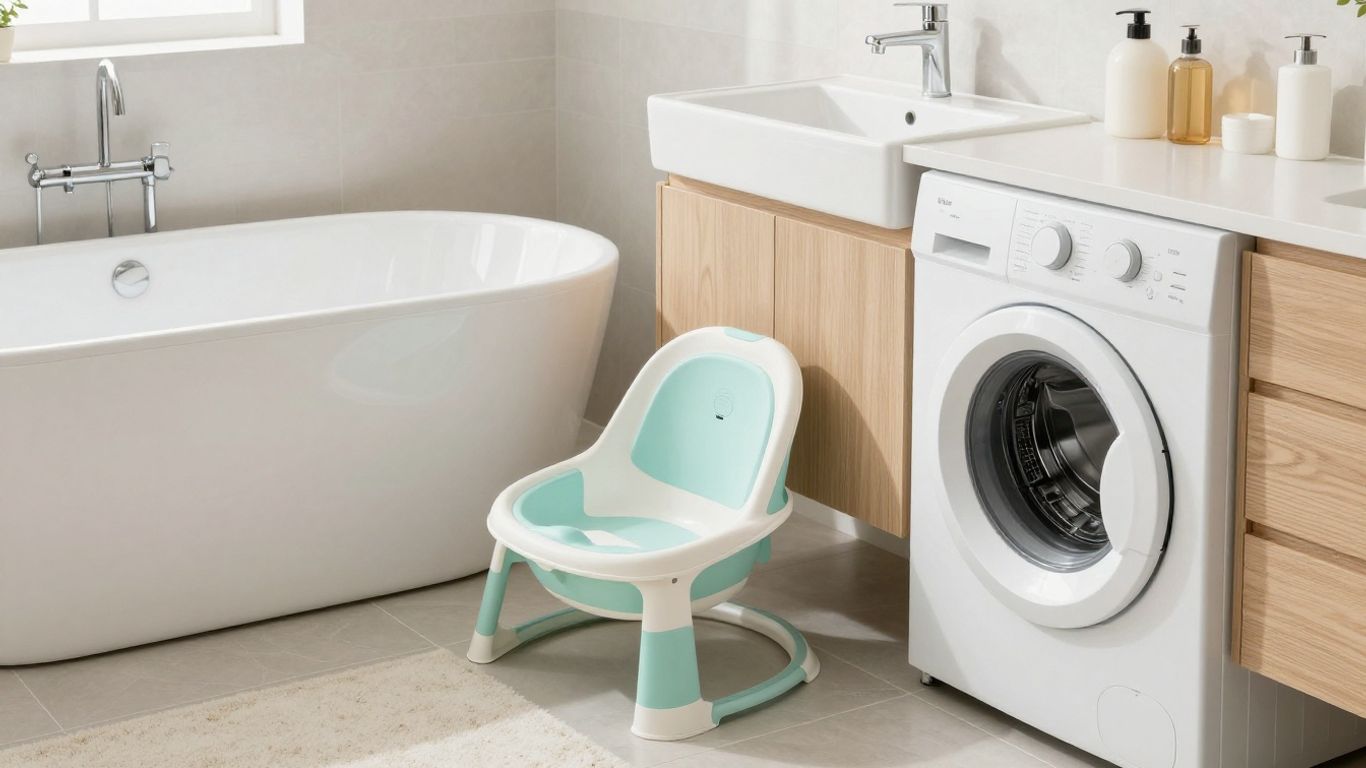
These rooms can be tricky. You've got water, slippery surfaces, and a whole host of cleaning supplies that look interesting but are definitely not for little hands. Let's make sure these areas are as safe as possible.
Water Safety Measures
Water is fun, but it can also be a big hazard. Even a small amount can be dangerous for babies and toddlers. Always stay within arm's reach when your child is in or near water. This means the bathtub, a small puddle on the floor, or even a bucket. It's easy to get distracted by a ringing phone or a knock at the door, but that moment is all it takes for something to go wrong.
- Never leave your baby unattended in the bath. Not even for a second. If you need to step away, take your baby with you.
- Keep bathroom doors closed when not in use, and consider a toilet lid lock. Toilets can be a drowning risk, especially for curious crawlers.
- Check the water temperature before putting your baby in the bath. A good rule of thumb is to set your water heater to no higher than 120°F (49°C) to prevent scalds.
Even a few inches of water in a sink, tub, or bucket can be a drowning risk for a young child. Always empty water containers immediately after use and store them upside down.
Securing Cleaning Supplies and Medications
Laundry detergent pods, colorful cleaning sprays, and even adult medications can look like candy or juice to a baby. These rooms are often packed with things that are toxic if ingested.
- Store all cleaning supplies and medications in high, locked cabinets. If you don't have high cabinets, use safety latches on lower ones.
- Keep laundry detergent packets out of sight and reach. They are particularly dangerous if swallowed.
- Be mindful of adult hygiene products too. Things like mouthwash, hairspray, or certain creams can also be harmful.
Managing Hot Items and Sharp Edges
Think about the things you use in these rooms that get hot or have sharp bits. Hair dryers, curling irons, razors, and even some faucet handles can pose a risk.
- Unplug and store hot styling tools immediately after use, and keep them out of reach until they've cooled down completely. Some can stay hot for a while.
- Cover sharp faucet handles or knobs with soft protectors, especially if they are at your baby's eye level or within reach.
- Consider non-slip mats for the bathtub and floor. Wet surfaces are slippery, and a fall can be serious.
Outdoor Spaces: Decks and Porches
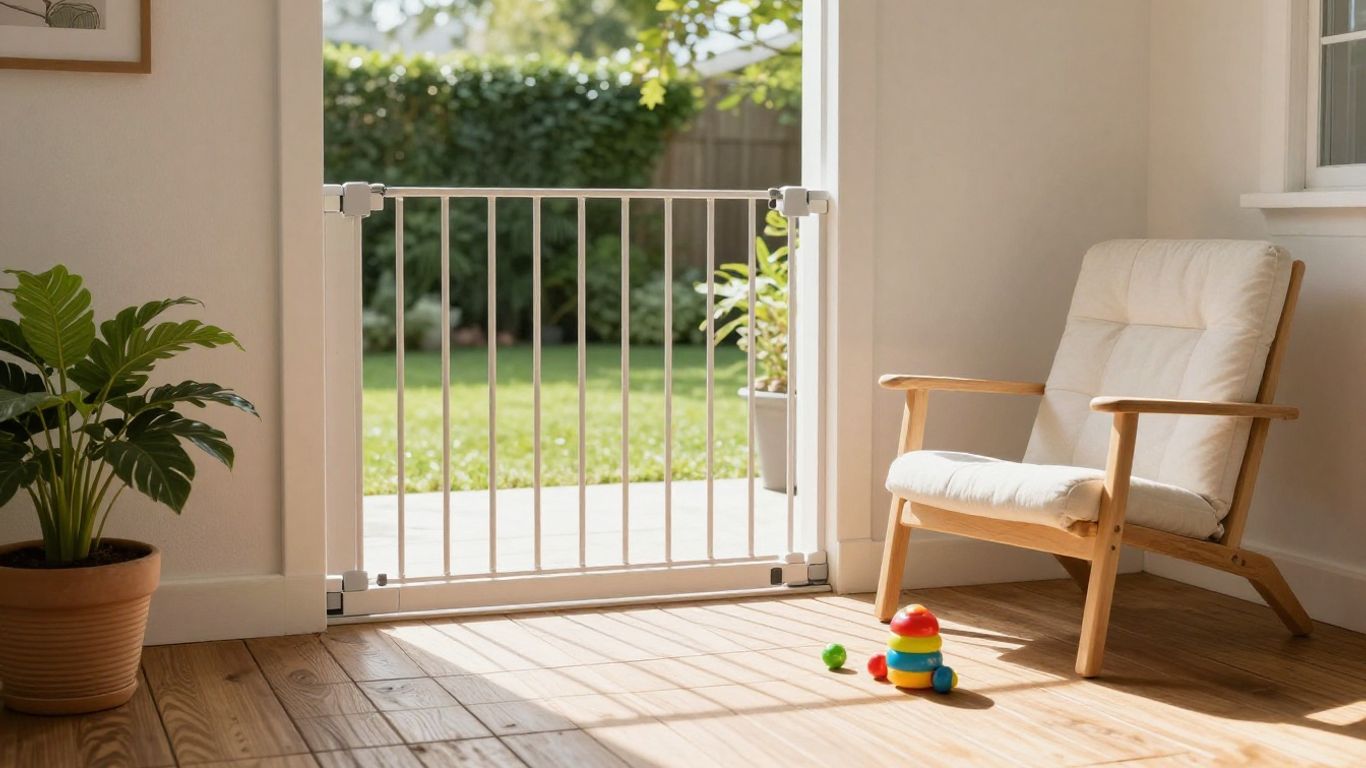
As the weather warms up, you'll probably want to spend more time outside with your little one. Decks and porches are great for this, but they come with their own set of safety concerns. It’s easy to overlook these areas, but babies are surprisingly mobile and curious.
Securing Stairs and Railings
Stairs can be a big hazard. Make sure any stairways leading to or from the deck or porch are blocked off with sturdy baby gates. Check that these gates are securely installed and that the latches are working properly. Also, give your railings a good shake. Loose railings are a serious risk, so if they feel wobbly or have gaps a baby could fit through, they need to be fixed right away. It's worth taking a moment to inspect your deck for safety before the summer season really kicks off.
Gate Latches and Wood Condition
Beyond just the railings, check all gates. Worn-out latches can easily be popped open by a determined toddler. Ensure they are functioning correctly and are high enough to prevent little ones from climbing over. Also, pay attention to the wood itself. Splintering wood or peeling paint can be a hazard. Sand down any rough spots and consider refinishing any areas that look worn or damaged. You want a smooth, safe surface for tiny hands and feet.
Grills and Kiddie Pool Safety
If you plan on grilling, keep all grilling tools, propane tanks, and charcoal well out of reach. Babies are drawn to shiny objects and things that smell interesting, so make sure these are stored securely. When it comes to kiddie pools, even a small amount of water can be a drowning risk. Always supervise children closely when they are in or around water, and make sure to completely empty and store kiddie pools on their sides when they're not in use. Any container that can hold water, even a bucket, needs careful attention.
Beyond the Basics: Ongoing Safety and Preparedness
So, you've gone room by room, tackled the cabinets, secured the furniture, and childproofed like a pro. That's fantastic! But babyproofing isn't really a one-and-done kind of deal, is it? As your little one grows and their world expands, so do the potential hazards. It's about staying a step ahead and being ready for anything.
Emergency Preparedness Essentials
Life with a baby can be unpredictable, and having a plan for emergencies can make a huge difference. Knowing what to do when the unexpected happens can keep everyone calmer and safer. It's not just about having a first-aid kit, though that's super important. Think about:
- First Aid and CPR: Get familiar with age-appropriate CPR and choking relief techniques. It's something you hope you'll never need, but being prepared is key.
- Emergency Contacts: Keep a list of important numbers handy – your pediatrician, poison control, local emergency services, and trusted family or friends. Maybe even put them in your phone with a special ringtone.
- Alarms: Make sure your smoke and carbon monoxide detectors are working. Test them regularly, like when you change your clocks for daylight saving time, and swap out the batteries at least once a year.
It's easy to get caught up in the day-to-day, but taking a few minutes to think about what-ifs can provide a real sense of security. Your baby relies on you for everything, and being prepared is a big part of that responsibility.
Pet Safety Considerations
If you have furry family members, it's time to think about how they fit into your babyproofing plan. Pets can be wonderful companions, but they also introduce a new layer of safety to consider. It's about making sure both your baby and your pets feel comfortable and secure.
- Food and Water Bowls: Move pet food and water dishes to an area your baby can't easily access. Pets can get protective of their food, and you don't want any accidental nips.
- Pet Toys: Keep pet toys separate from baby toys. Just like with their food, pets can be possessive of their favorite toys.
- Supervision: Always supervise interactions between your baby and pets, no matter how gentle your pet usually is. A sudden noise or movement can startle even the most placid animal.
Maintaining a Safe Environment
Babyproofing is an ongoing process. What's safe today might not be safe next month. Regularly reassessing your home from your baby's perspective is a smart move. Get down on your hands and knees – seriously! – and see what looks interesting or accessible from their new vantage point. This continuous evaluation helps you spot new hazards as your child becomes more mobile and curious. Remember, a safe home is a dynamic environment that evolves with your child's growth and development. For more on creating a secure space, check out home safety features.
Staying safe and prepared doesn't end when your baby arrives. There are always new things to learn and plan for as your family grows. Want to make sure you're ready for anything? Visit our website for more tips and resources to help you feel confident and prepared every step of the way.
You've Got This!
Whew, that was a lot, right? Going room by room can feel like a huge task, but remember, you're doing this for your little one's safety. Think of it as building a cozy, secure nest for your baby to grow and explore in. It's not about being perfect, it's about being prepared. Take it one step at a time, and don't be afraid to ask for help or revisit things as your baby gets older and more mobile. You're doing a great job, and soon, your home will feel like a safe haven for everyone.
Frequently Asked Questions
When should I start baby-proofing my home?
It's a good idea to start thinking about baby-proofing even before your little one arrives, especially for things like setting your water heater temperature and installing smoke detectors. However, the real work begins when your baby starts to move more, like sitting up, rolling over, or crawling. This is usually around 6-10 months old, so you'll want to have the major safety checks done by then.
Do I really need to baby-proof for a newborn?
While a newborn can't move around on their own, some safety measures are important from day one. Things like ensuring the crib is safe (no loose bedding), setting the water heater to a safe temperature, and having working smoke alarms are crucial. As your baby grows and becomes mobile, you'll need to do more in-depth baby-proofing.
What are the biggest dangers in a typical living room?
Living rooms often have furniture that can tip over, sharp corners on tables or hearths, exposed electrical outlets, and cords from blinds or electronics. TVs and heavy bookshelves are also a big concern. It's important to anchor furniture, cover outlets, secure cords, and pad sharp edges.
How can I make the kitchen safer for my baby?
The kitchen has many hazards like cleaning supplies, sharp utensils, stove knobs, and small appliances. You'll want to use cabinet and drawer locks, especially for anything with cleaning chemicals or sharp objects. Stove knob covers and securing trash cans are also important steps.
What are the main safety concerns in the bathroom?
Bathrooms have water, cleaning supplies, medications, and sometimes hot items like hair dryers. Never leave a baby alone near water, even for a second. Keep all cleaning products and medicines locked up and out of reach. Soft covers for tub spouts and non-slip mats can also help.
Besides furniture and outlets, what else should I look out for?
Don't forget about things like window blind cords, which can be a strangulation risk. Also, consider items that could fall, like wall decor or lamps. If you have pets, make sure their food and toys are out of your baby's reach, as pets can be protective of their things.
Ready to get prepared?
Build your personalized pregnancy checklist
Free, personalized, and built around your birth plan, budget, and due date.
Start My Checklist — Free →