When to Start Buying Baby Stuff: A Realistic Second Trimester Timeline
When to start buying baby stuff? Get a timeline for baby shopping and preparing for baby in your second trimester. Shop smart!

Wondering when to start buying baby stuff? Here are the main things to remember about your timeline for baby shopping and preparing for baby in your second trimester.
Key Takeaways
- The second trimester (weeks 13-27) is the ideal time to start buying most baby items, as you'll likely feel better and know more details like your baby's gender.
- Focus on big-ticket nursery items like cribs and changing tables during the second trimester, as these often have longer delivery times.
- Create your baby registry in the second trimester to give friends and family plenty of time to shop and to take advantage of registry discounts.
- While it's smart to wait for most clothes and smaller supplies, keep an eye out for amazing sales on major gear (strollers, car seats) even in the second trimester.
- Don't forget to factor in delivery times for online orders and consider skin sensitivities when choosing baby clothes, diapers, and wipes.
Embracing the Second Trimester: A Time for Smart Shopping
Navigating the Shift from First Trimester Cautiousness
Okay, so you've made it through the first trimester. Phew! That initial period can feel like a whirlwind of appointments, early symptoms, and maybe a bit of cautious optimism. It's totally normal to feel a bit hesitant about diving headfirst into baby shopping when things are still so new. But as you settle into the second trimester, usually around weeks 13 to 27, you'll likely start feeling more like yourself again. Energy levels might be up, and that constant worry might start to fade a little. This is a fantastic time to channel that renewed energy into some practical planning.
Why the Second Trimester is Your Shopping Sweet Spot
This middle period of pregnancy is often called the 'golden trimester' for a reason. You're generally feeling better, and if you choose to find out your baby's sex, you probably know it by now. This makes it the perfect time to start making some bigger decisions about nursery decor and, importantly, to begin purchasing those larger items. Think about it: you've got a decent amount of time before your due date, but you're not yet in the
Laying the Foundation: Essential Purchases for Your Nursery
Okay, so you've made it through the first trimester, and that little flutter you felt? It's probably getting stronger! Now that you're settling into the second trimester, it's a fantastic time to start thinking about the actual nursery. This isn't about going wild and buying everything you see; it's about getting the big, important pieces sorted so you can relax a bit later on. Focusing on the nursery foundation now means less stress when you're further along and just want to nest.
Securing Big-Ticket Nursery Furniture
When you picture the nursery, what comes to mind first? Probably the furniture, right? These are the items that take up the most space and often cost the most, so tackling them now makes a lot of sense. Think about what you absolutely need. A crib is a given, of course, but what about a dresser or a changing table? Sometimes, a dresser can double as a changing station with a topper, which is a great space-saver if you're not blessed with a huge room. It’s also worth considering if you want a separate glider or rocking chair for those late-night feedings and cuddles. These are the pieces that really define the room, so picking them out when you have the energy is a smart move.
Choosing the Perfect Crib and Changing Station
Let's talk cribs. This is where your baby will sleep for a good chunk of time, so safety and sturdiness are key. Look for cribs that meet current safety standards. You'll also want to think about the mattress – a firm one is best for newborns. As for changing stations, you have a few options. A dedicated changing table is convenient, often with shelves below for storage. Alternatively, a changing pad that fits securely on top of a dresser works well too. Whichever you choose, make sure it's at a comfortable height for you. You'll be spending a lot of time here, so comfort matters!
Creating a Cozy and Functional Nursery Space
Beyond the big furniture pieces, think about how to make the room feel like a true sanctuary. Storage is going to be your best friend. Baskets, shelves, and drawer organizers will help keep tiny clothes, diapers, and toys from taking over. Lighting is another factor; you'll want a main light, but also a softer, dimmable light for nighttime. And don't forget about window coverings – blackout curtains can be a lifesaver for nap times. It’s all about creating a space that’s not just pretty, but also practical for everyday baby life. You might want to check out ideas for nursery setup to get your creative juices flowing.
Remember, the goal here isn't to have a Pinterest-perfect room overnight. It's about getting the core items in place so you feel prepared and can enjoy the rest of your pregnancy without that nagging feeling that you've forgotten something major. Plus, buying these bigger items now means you can take advantage of sales and avoid last-minute rushes.
Here’s a quick checklist for nursery foundations:
- Crib: Safety first! Ensure it meets current standards.
- Mattress: Firm and a good fit for the crib.
- Changing Station: Whether it's a table or a dresser topper, make it safe and accessible.
- Storage Solutions: Baskets, shelves, drawer dividers – get organized!
- Comfort Item: A glider or rocking chair if space and budget allow.
Gear Up for Adventure: Strollers, Car Seats, and More
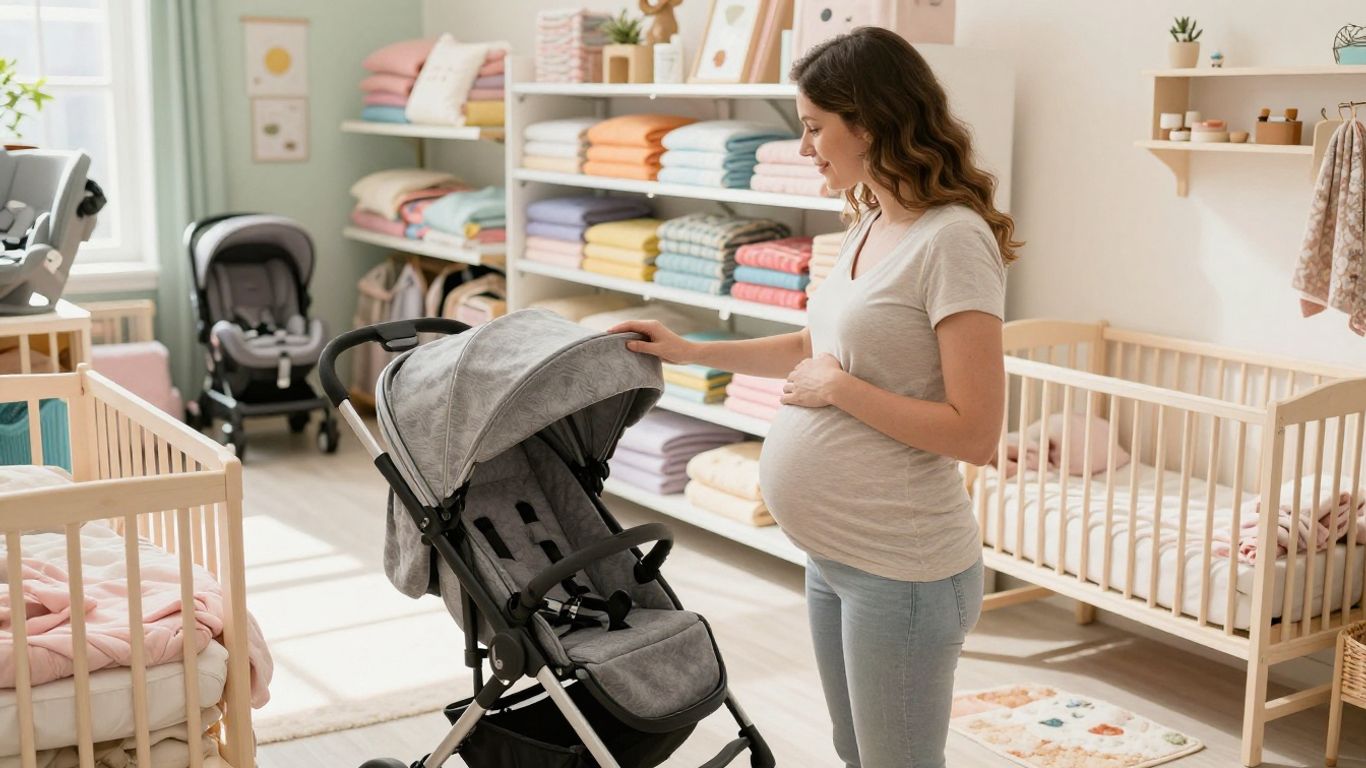
Okay, so you've got the nursery basics sorted, and now it's time to think about getting out and about with your little one. This is where the big stuff comes in – the car seat and the stroller. These aren't just accessories; they're your ticket to freedom (well, sort of!) and, more importantly, your baby's safety.
Selecting Your Travel Essentials
When it comes to car seats, safety is non-negotiable. You'll want to pick one that fits your car and your lifestyle. Infant car seats are great because they click into a base and often attach to strollers, making those first few months a breeze. Convertible car seats grow with your child, lasting from infancy through toddlerhood. Think about how often you'll be moving the seat between cars or if you'll need a travel system that combines a car seat and stroller.
- Infant Car Seat: Perfect for newborns, usually stays rear-facing.
- Convertible Car Seat: Can be used rear-facing and then forward-facing as your child grows.
- Travel System: A stroller and infant car seat combo that clicks together.
For strollers, consider your daily routine. Are you mostly walking on smooth sidewalks, or do you need something that can handle rougher terrain? Some strollers are super lightweight and easy to fold, while others offer more features like storage space and adjustable seating. It's a good idea to have your car seat installed at least a month before your due date, just in case your little one decides to make an early appearance. You don't want to be scrambling to figure out how to get home from the hospital!
Ensuring Safety and Convenience on the Go
Getting the car seat right is probably the most important purchase you'll make for travel. Make sure you read the manual cover to cover and practice installing it in your car before the baby arrives. Many hospitals won't let you leave without a properly installed car seat. For strollers, look for features that make your life easier. A big basket for shopping, cup holders for your coffee, and a smooth ride for the baby are all big wins. Compatibility between your car seat and stroller is a huge plus, turning your car seat into a convenient travel system for quick errands.
Considering Delivery Times for Crucial Gear
Don't forget that big items like strollers and car seats can sometimes take a while to arrive, especially if you're ordering online or if they're on backorder. You don't want to be stuck waiting for your car seat to show up when you're ready to leave the hospital. It's wise to order these items a bit earlier in your second trimester, giving yourself plenty of buffer time. This way, if there are any shipping delays or issues, you have time to sort them out without adding extra stress to your final weeks of pregnancy. Plus, getting these big purchases out of the way early can feel like a huge accomplishment!
When picking out your stroller and car seat, think about how they'll fit into your life for the next few years. It's an investment, so taking the time to research and choose wisely will pay off in the long run.
The Art of the Baby Registry: Planning and Gifting
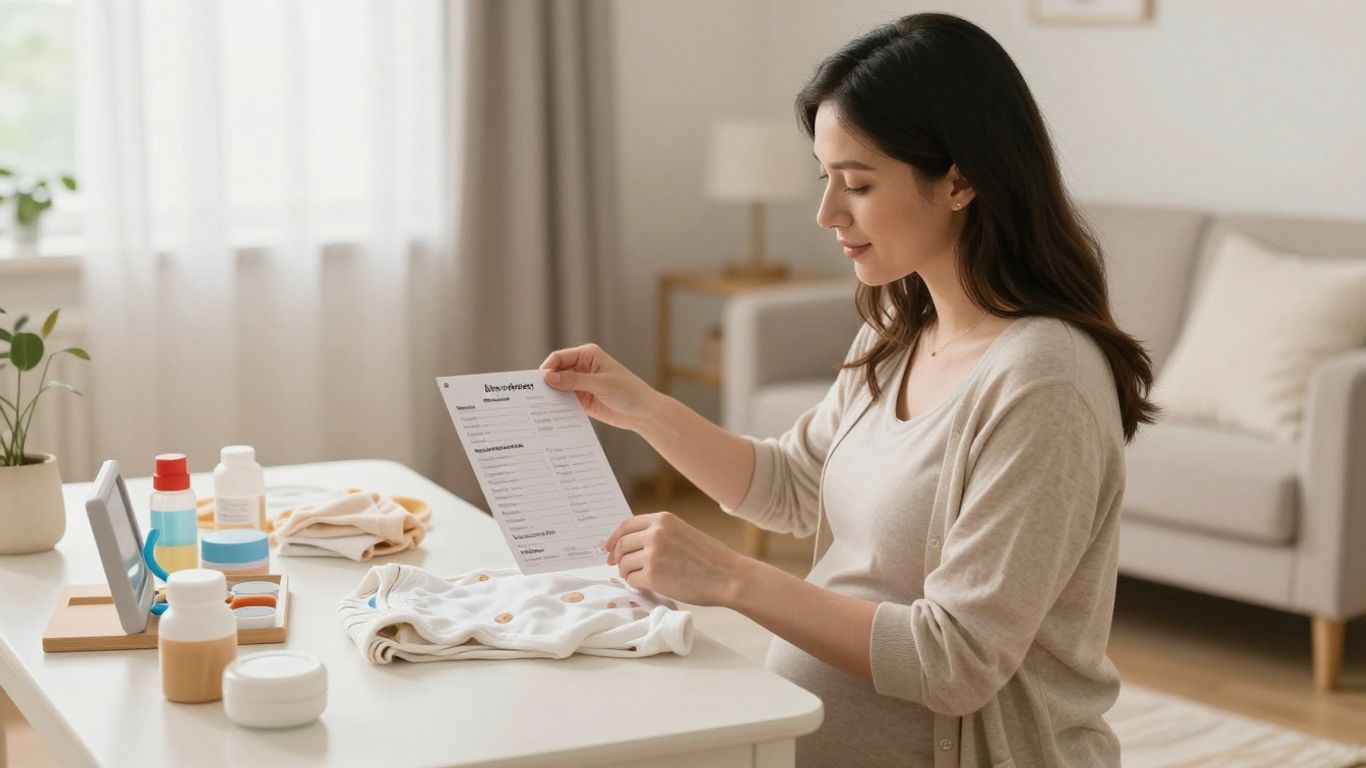
Okay, so you've made it to the second trimester, and the excitement is really starting to build! It's a great time to start thinking about what you'll actually need for your little one. And honestly, one of the best ways to get a handle on all of it is by creating a baby registry. It might seem a little early, but trust me, it helps so much with organizing your thoughts and letting friends and family know what would be most helpful.
Crafting Your Ideal Baby Registry
Think of your registry as your personal wish list for baby. It's not just about getting free stuff (though that's a nice perk!); it's about making sure you have the practical items you'll use every single day. Start by talking to friends who already have kids. They've been through it and can offer some solid advice on what they actually used and what just sat in the closet. You can also check out online resources for ideas, but always filter them through your own lifestyle and needs. The goal is to build a list that sets you up for success, not one that overwhelms you.
Here are some categories to get you started:
- Nursery Essentials: Crib, mattress, sheets, changing pad, dresser, rocking chair.
- Feeding: Bottles, sterilizer, breast pump (if applicable), nursing pillow, burp cloths.
- Diapering: Diapers (a few newborn and size 1 packs to start), wipes, diaper cream, changing pad covers.
- Clothing: Onesies, sleep sacks, socks, hats – think about the season your baby will be born in.
- Gear: Car seat, stroller, baby carrier.
- Health & Safety: Thermometer, nail clippers, baby-safe detergent.
Balancing Essentials with Wishlist Wonders
It's easy to get carried away with all the cute baby things out there. While it's fun to add a few special items you've been dreaming about, try to keep the bulk of your registry focused on the necessities. Remember, people often buy gifts based on what's on the registry, so make sure the most important things are on there. You don't want to end up with a dozen stuffed animals and no diapers! Consider items that have a longer lifespan, too. For example, a convertible crib can last for years. You can also add a few bigger-ticket items that you might not get as gifts, but be realistic about what people can afford. Some stores offer a completion discount, which is a great way to snag those pricier items yourself later on.
When you're building your registry, think about your living space. If you're in a smaller apartment, prioritize items that are compact or multi-functional. A dresser can double as a changing station with a pad on top, saving you space.
Leveraging Registry Perks and Discounts
Most major baby stores and online retailers have registry programs, and they often come with some pretty sweet benefits. Many offer a welcome box filled with free samples and coupons just for signing up. The real gold, though, is often the completion discount. This usually kicks in a few weeks before your due date, giving you a percentage off any items left on your registry. It's a fantastic way to get those bigger items you really want or to stock up on things like diapers and wipes at a discount. Don't forget to check out baby registry checklists to make sure you haven't missed anything important. Also, keep an eye out for any specific toiletries or personal care items you might want to add for yourself or the baby.
Smart Strategies for Baby's Wardrobe and Supplies
Okay, let's talk about clothes and all those little things your baby will need. It’s easy to get carried away with tiny socks and adorable onesies, but a little strategy goes a long way here. We want practical, comfortable, and safe items for your little one, without ending up with a closet full of things they’ll never wear.
Building a Practical Baby Clothes Collection
When it comes to baby clothes, think quantity and ease of use. Newborns go through so many outfits, mostly because of spit-up and diaper leaks. You don't need a huge wardrobe right away, but having enough to get you through a couple of days between washes is smart. Focus on soft, breathable fabrics, especially for sensitive skin. Organic cotton is a great choice.
- Bodysuits/Onesies: These are your workhorses. Get a mix of short-sleeve and long-sleeve. Aim for about 5-7 in newborn and 0-3 month sizes to start.
- Sleepers/Pajamas: Look for ones with zippers or two-way zippers – they make nighttime changes so much easier than snaps. Again, 5-7 should be plenty.
- Pants: A few pairs of soft pants are good for layering or cooler days.
- Socks/Booties: Keep those little feet warm. A few pairs should do.
- Swaddles: If you plan to swaddle, get a few lightweight ones. Some babies love them, some don't, so don't go overboard initially.
It's better to buy a few more of the basics than to have a closet full of fancy outfits that are hard to get on or off.
Stocking Up on Diapers and Wipes Wisely
Diapers and wipes are a constant. You'll use a ton of them, so it makes sense to think about how to stock up. However, babies grow fast, and you don't want to end up with a mountain of newborn-sized diapers if your little one is a chunker! It’s a good idea to get a couple of packs of newborn size, but then move up to size 1 or 2. You can always add more to your baby registry if you run low.
- Diapers: Start with one or two small packs of newborn size and a few packs of size 1. See how they fit before buying in bulk.
- Wipes: These are generally safe across brands, but sensitive skin options are often a good bet. Buy a few large packs.
- Diaper Cream/Rash Ointment: Have a trusted brand on hand from day one.
When it comes to diapers and wipes, it's wise to buy a smaller quantity of newborn sizes. Babies grow quickly, and you don't want to be stuck with too many that don't fit. Opting for sensitive-skin formulas for both diapers and wipes can also help prevent irritation from the start.
Considering Skin Sensitivities from Day One
Babies' skin is super delicate. What works for one baby might not work for another, so keeping an eye on potential sensitivities is key. This applies to everything from the detergent you use to wash their clothes to the lotions and soaps you might use.
- Laundry Detergent: Choose a fragrance-free, dye-free, and hypoallergenic detergent. Wash all baby clothes before use.
- Lotions and Soaps: Opt for gentle, natural, and fragrance-free baby washes and lotions. Avoid anything with harsh chemicals.
- Fabric Choices: Stick to soft, breathable fabrics like cotton, especially for items that are in direct contact with the skin. Avoid scratchy materials.
It’s always a good idea to test new products on a small patch of skin if you’re concerned, though many parents find that sticking to a few trusted, gentle brands works best. You can find some great starter kits and bundles on many baby supply websites that focus on sensitive skin.
When to Seize the Deals: Strategic Shopping for Big Items
Okay, so you've made it through the first trimester, and you're feeling a bit more like yourself. The second trimester is often called the 'golden period' for a reason – you've got more energy, and you're probably past the initial 'what is happening to my body?' phase. This is a fantastic time to start thinking about those bigger purchases, especially if you spot a sale. Waiting until the third trimester to buy everything can feel like a mad dash, and honestly, you'll want to save your energy for, well, the actual birth and those first few weeks. Plus, some of these big items can take a while to arrive, so getting them ordered early means you won't be stressing about delivery times when you're ready to nest.
Spotting Amazing Sales on High-Value Gear
Think about the items you'll use constantly: the stroller, the car seat, the crib. These are often the priciest things on your baby list. If you see a significant discount on these during your second trimester, it's usually a smart move to grab them. Don't wait for a sale that might never come, especially if you've done your research and know what you want. It's way better to have that big item sitting in your garage than to be scrambling for it later. You might even find a great deal on nursery furniture around this time, which can be a huge relief for your budget. Remember, nursery furniture often has lead times, so buying early is practical.
Making the Most of Second Trimester Savings
This period is your sweet spot for strategic shopping. You're past the initial uncertainty, and you likely know your baby's gender if you wanted to. This means you can confidently buy items without worrying about needing to return them later because they don't fit a specific theme or color. It's also a good time to look for deals on things like high chairs or baby monitors. You can spread out your purchases, which is much easier on your wallet than trying to buy everything at once. Consider setting up price alerts for items you have your eye on.
The Exception to the Waiting Game
While it's tempting to wait for everything, some items are just too good a deal to pass up. If you find a major sale on a stroller system or a convertible car seat, and you know you'll need it, go for it. The old wives' tale about buying baby things being bad luck? Honestly, the only 'bad luck' is being overwhelmed and broke trying to buy everything in the last few weeks of pregnancy. It's perfectly fine to buy these big-ticket items early, especially if they are things you're unlikely to receive as gifts. Just be mindful of storage space, and maybe avoid buying a massive stockpile of newborn diapers until closer to your due date, as babies can grow out of them quickly.
Waiting until the last minute for big purchases can lead to stress, potential shipping delays, and missed savings. The second trimester offers a balanced approach, allowing you to shop smart without feeling rushed or overwhelmed.
Thinking about buying big stuff for your home? Timing is everything! Waiting for the right sales can save you a lot of cash. Keep an eye out for holiday weekends and seasonal markdowns. You might be surprised how much you can save with a little patience. Ready to make smart shopping choices? Visit our website to learn more!
Conclusion
So, when to start buying baby stuff? The second trimester really is your sweet spot for getting the bulk of your shopping done. You've got more energy, you're likely past the initial worries of the first trimester, and you've got plenty of time before the final rush of the third trimester. Remember to spread out your purchases, keep an eye out for sales on those big-ticket items, and most importantly, enjoy this exciting time of preparing for your little one's arrival!
Frequently Asked Questions
When is the best time to start buying baby things?
Most parents find the second trimester, roughly between weeks 13 and 27 of pregnancy, to be the best time to start buying baby stuff. You'll probably feel more like yourself after the first trimester, and you'll have a better idea of what you need and maybe even your baby's gender.
Should I buy baby stuff in the first trimester?
It's generally recommended to keep first-trimester baby shopping to a minimum. This time is better for research and maybe buying one or two special items to celebrate. The first few months can be uncertain, so waiting until the second trimester for bigger purchases makes sense for many.
What are the first things I should buy for the nursery?
During your second trimester, focus on the big nursery items. This includes the crib, a changing table (which can often be a dresser with a topper), and maybe a comfortable chair for feeding. It's smart to buy these early because they can take a while to arrive.
When should I make my baby registry?
Your second trimester is a great time to put together your baby registry. This gives you time to think about what you truly need and want, and it gives your friends and family a good window to shop before your baby shower, which is often held later in the pregnancy.
Can I buy baby clothes early?
You can start buying baby clothes in the second trimester. However, remember that babies grow super fast! It's best to buy a small amount of newborn sizes and then a few more in slightly larger sizes. Also, think about the season your baby will be born in.
What if I see a really good sale on baby gear?
If you spot an amazing sale on a big-ticket item like a stroller or car seat, even in the second trimester, it's totally okay to buy it! Just make sure it's something you know you'll use a lot. Waiting for sales can save you a lot of money.
Ready to get prepared?
Build your personalized pregnancy checklist
Free, personalized, and built around your birth plan, budget, and due date.
Start My Checklist — Free →