The First Trimester Survival Guide: Real Morning Sickness Remedies & Grocery List
Morning sickness remedies that work, early pregnancy fatigue survival guide, and a healthy first trimester grocery list. Find relief and tips here!

The early weeks of pregnancy often bring unique challenges like nausea and tiredness. Here are the main points to help you get through it.
Key Takeaways
- Ginger, in various forms like tea or candies, is a well-known natural remedy for nausea.
- Focus on bland, easy-to-digest foods like toast, rice, and bananas, especially when feeling queasy.
- Protein-rich foods such as chicken, eggs, and beans can help calm nausea and provide energy.
- Staying hydrated is vital; opt for water, herbal teas, or broths, and consider cold, less-aromatic options.
- Prioritize rest and manage stress, as fatigue can worsen morning sickness symptoms.
Navigating Nausea: Morning Sickness Remedies That Work
Feeling queasy? You're definitely not alone. It's estimated that around 70-80% of pregnant folks experience some form of morning sickness, and it can hit at any time of day, not just in the morning. While the exact cause isn't fully understood, hormonal shifts are thought to play a big role. The good news is there are several things you can try to make those waves of queasiness more manageable.
Understanding the Waves of Queasiness
Morning sickness can feel like a rollercoaster. One minute you might feel okay, and the next, a wave of nausea washes over you. It's often linked to an empty stomach, so keeping something in there, even if it's just a few crackers, can help. Also, try to take your time getting out of bed in the morning; a slow start can make a difference. Eating small, frequent meals throughout the day is another strategy that helps prevent your stomach from getting too empty or too full, which can trigger nausea. This approach can really help alleviate discomfort during pregnancy.
The Power of Ginger: A Natural Soother
Ginger has been a go-to remedy for nausea for centuries, and for good reason. It's been studied and shows promise in reducing those queasy feelings. You can try ginger in various forms:
- Ginger Tea: Steep about half a teaspoon of grated fresh ginger in 8 ounces of hot water for 5-10 minutes.
- Crystallized Ginger: Two small pieces (about 1 inch square and 1/4 inch thick) can be a good starting point.
- Ginger Capsules: If you prefer, you can take a capsule with ginger extract, following dosage recommendations.
- Fresh Ginger: Add a teaspoon of fresh, grated ginger to your cooking or even a smoothie.
Even just smelling fresh ginger can sometimes calm an upset stomach. Just be sure you're using real ginger, as some processed foods might not contain the actual root.
Beyond Ginger: Other Flavorful Allies
If ginger isn't quite cutting it, don't worry, there are other options. Many people find relief with other flavors and textures:
- Peppermint: Similar to ginger, peppermint has a long history of use for nausea. Try peppermint tea, add fresh mint to your water, or enjoy peppermint candies.
- Citrus: The scent of lemon can be surprisingly effective. Try sniffing a fresh lemon, adding lemon slices to your water, or even sucking on sour lemon candies. You can also steep whole lemons in hot water for a fragrant tea.
- Carbonated Beverages: Sometimes, the fizz can help. Plain sparkling water or even a moderate amount of a sugary soda might settle your stomach. Sip slowly to avoid bloating.
- Cold Foods: Hot foods often have stronger smells that can trigger nausea. Cold items like smoothies, popsicles, or chilled fruits are often more palatable.
Remember, what works for one person might not work for another. It's often a process of trial and error to find your personal relief.
Don't forget to stay hydrated, even if drinking feels tough. Small sips of water, broth, or electrolyte drinks can make a big difference in how you feel overall.
Your First Trimester Grocery List for Nausea Relief
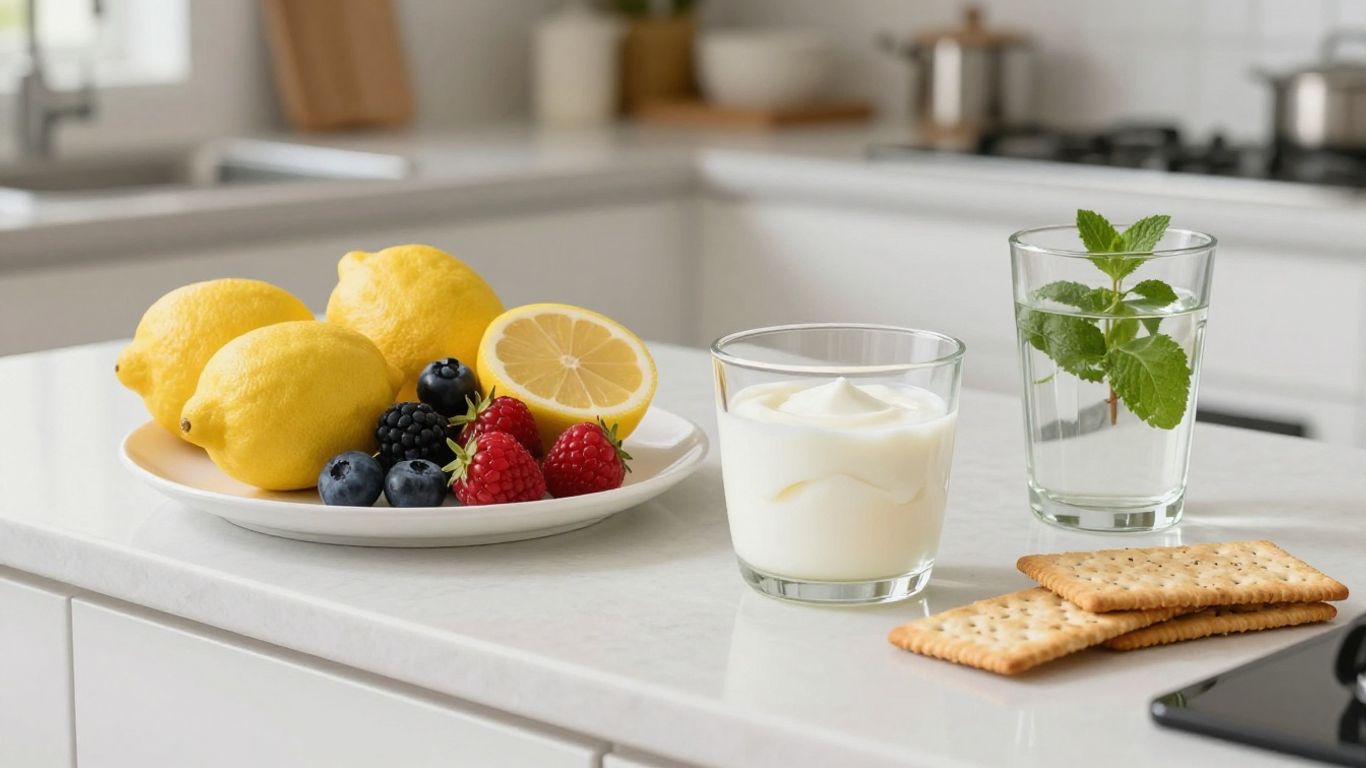
Okay, so you're in the thick of it – that first trimester feeling where your stomach seems to have a mind of its own. The good news? What you eat (and don't eat) can make a real difference. Stocking your kitchen with the right things is half the battle. Let's get that grocery list ready so you can feel a little more human.
Bland Bites for Sensitive Stomachs
When your stomach is doing flips, the last thing you want is anything too strong or complicated. Think simple, plain, and easy to digest. These are your go-to's when even the thought of food makes you queasy.
- Toast: White toast, maybe with a tiny bit of jam if you can handle it. Dry toast is often best.
- Crackers: Saltines or pretzels are great for a salty crunch that can settle your stomach.
- Rice: Plain white rice, like in a simple bowl or as part of a bland meal.
- Bananas: Easy to eat and gentle on the stomach.
- Applesauce: Another smooth, easy-to-digest option.
These foods are great because they don't have strong smells and are generally low in fat, which can be a trigger for nausea. Having these on hand means you're prepared for those moments when you need something, anything, to stay down. It's all about finding those bland, dry foods that work for you.
Protein Powerhouses to Calm the Queasiness
It might seem counterintuitive when you're feeling sick, but protein can actually be a lifesaver. It helps keep you feeling fuller for longer and can stabilize your blood sugar, which often helps reduce nausea. Aim for small amounts throughout the day.
- Eggs: Hard-boiled eggs are super portable and easy to eat.
- Yogurt: Plain Greek yogurt is packed with protein.
- Nuts and Seeds: A small handful can go a long way. Almonds, walnuts, or sunflower seeds are good choices.
- Cheese: String cheese or small cubes of cheddar can be a good snack.
- Peanut Butter: A little bit on toast or a cracker can be surprisingly effective.
Protein helps your digestive system work a bit more smoothly, which is exactly what you need when you're feeling off. It's a smart way to get nutrients in without triggering that awful nausea. Check out these protein-rich foods that can help.
Hydration Heroes: Cool and Refreshing Choices
Staying hydrated is so important, but sometimes drinking feels impossible. The trick is to find liquids that are appealing and easy to get down. Cold is often better because it has less aroma, which can be a major nausea trigger.
- Ice Chips or Popsicles: A simple way to get fluids in without a lot of volume.
- Cold Water: Sometimes plain water is best. Try adding a slice of lemon or cucumber.
- Herbal Teas: Peppermint or ginger tea, served cold, can be soothing.
- Smoothies: Blend fruits and a little yogurt or milk for a nutrient boost.
- Broth: Clear, cool broth can be surprisingly comforting and replenishes electrolytes.
Don't underestimate the power of a cold drink when you're feeling sick. It can be incredibly refreshing and help you get the fluids your body needs. Sometimes, just sipping on something cool is the only thing you can manage, and that's perfectly okay.
Remember, this is a marathon, not a sprint. Some days will be better than others. Focus on what you can eat and drink, and don't beat yourself up if your diet is a bit limited right now. Your body is doing amazing work!
Conquering Early Pregnancy Fatigue Survival Guide

Feeling like you've run a marathon before you've even left the house? Welcome to the first trimester, where fatigue can hit like a ton of bricks. It's more than just feeling a bit tired; it's a deep, bone-weary exhaustion that can make even simple tasks feel monumental. This isn't laziness, it's your body doing some serious, behind-the-scenes work to grow a whole new human!
The Importance of Rest and Stress Management
Listen, your body is working overtime right now. Growing a baby is a full-time job, and then some. Prioritizing rest isn't a luxury; it's a necessity. Try to get to bed earlier than usual, and don't feel guilty about taking naps during the day if you can. Even short breaks can make a difference. Managing stress is also key. Find what helps you relax, whether it's a warm bath, some gentle stretching, or just a few quiet moments with a cup of decaf tea. Remember, a calmer you means a calmer baby.
- Listen to your body: If you feel tired, rest. Don't push yourself.
- Create a relaxing bedtime routine: Wind down before sleep.
- Delegate tasks: If possible, ask for help with chores or errands.
- Practice deep breathing: Simple techniques can help manage stress.
Early pregnancy fatigue is a real thing, and it's your body's way of telling you to slow down. Embrace the need for rest and be kind to yourself during this demanding phase.
Snack Smart to Combat Exhaustion
When you're feeling wiped out, the temptation to reach for sugary snacks is strong, but those quick energy bursts are often followed by even bigger crashes. Instead, focus on snacks that provide sustained energy. Think about combining protein and complex carbohydrates. This combination helps keep your blood sugar levels more stable, preventing those energy dips. Having small, frequent meals and snacks throughout the day can also be more manageable than trying to eat three large meals when your appetite is unpredictable. For some great ideas on what to munch on, check out foods that fight nausea.
When to Seek Professional Support
While fatigue and nausea are common in early pregnancy, there are times when you should reach out to your healthcare provider. If your exhaustion is so severe that it's impacting your daily life significantly, or if you're experiencing other concerning symptoms like severe dizziness, persistent vomiting, or bleeding, don't hesitate to call your doctor. They can rule out any underlying issues and offer personalized advice and support to help you through this phase. Sometimes, a little professional guidance can make all the difference in feeling better and managing your pregnancy.
Smart Snacking Strategies for a Healthy First Trimester
When you're in the thick of the first trimester, the idea of eating a full meal can feel overwhelming, to say the least. That's where smart snacking comes in. It's not just about filling a void; it's about keeping your energy up and your nausea at bay. Think of snacks as tiny, frequent meals that keep your stomach from getting too empty, which often makes morning sickness worse.
The BRAT Diet: A Timeless Approach
This old-school method is popular for a reason. The BRAT diet – Bananas, Rice, Applesauce, and Toast – focuses on bland, easy-to-digest foods. These items don't have strong flavors that might trigger your gag reflex, and their starchiness can help soak up excess stomach acid. It's a gentle way to get something in your system when even the thought of food is a challenge. Plain sourdough toast or some plain white rice can be lifesavers.
High-Protein Snacks for Sustained Energy
Protein is your friend during pregnancy, and it's especially helpful for managing nausea. Protein helps stabilize blood sugar and can increase a hormone that aids digestion. Aim for snacks that offer a good protein punch. Think hard-boiled eggs, a handful of nuts, Greek yogurt, or even some edamame. These options provide lasting energy and can help calm those queasy waves. If you're looking for more ideas, check out these easy snack ideas.
Cold Treats to Beat the Heat and Nausea
Sometimes, hot foods and their aromas can be a major trigger for nausea. That's where cold snacks shine. They tend to have less scent, making them more palatable. Cold foods like smoothies, popsicles, or even just chilled fruit can be incredibly soothing. Watermelon, for instance, is not only refreshing but also packed with hydration and nutrients. If you're struggling to keep liquids down, sorbet or frozen yogurt can be a good way to get some calories and hydration in.
Remember, consistency is key. Trying to eat small amounts frequently throughout the day is often more effective than waiting until you're starving, which can lead to a more intense wave of nausea. Don't be afraid to experiment with different textures and temperatures to see what works best for you at any given moment.
Hydration and Electrolytes: Your Pregnancy Lifelines
When you're feeling queasy, the thought of drinking anything can be tough. But staying hydrated is super important, especially when you're pregnant. Vomiting can really throw off your body's balance, so replacing lost fluids and minerals is key. Think of it as giving your body the support it needs to keep everything running smoothly for you and your little one.
Sip Smart: Staying Hydrated When You Can't Drink
It's a common problem: you know you need to drink, but every sip feels like a challenge. Don't force yourself to chug big glasses of water if that's not working. Instead, try smaller, more frequent sips throughout the day. Sometimes, just having a water bottle with a straw nearby can make it easier to take little sips without thinking too much about it. Cold water often goes down better than room temperature. You can also try adding a splash of lemon or lime to your water for a little flavor boost. If plain water is a no-go, consider sucking on ice chips or frozen fruit popsicles. These can help you get fluids in a more palatable way.
Electrolyte Boosters for Replenishment
When you're losing fluids through vomiting, you're not just losing water; you're losing electrolytes too. These are minerals like sodium, potassium, and chloride that help your body do all sorts of important jobs, from nerve function to muscle control. Replacing them is vital. You can find electrolyte drinks designed for pregnancy that contain these important minerals, like this specialized hydration mix. Look for options that are low in sugar. Making your own is also an option: mix water with a bit of coconut water, a pinch of salt, and some lemon or lime juice. Salty snacks like crackers or broth can also help replenish sodium levels.
Broth and Herbal Teas: Soothing Sips
Warm liquids can be comforting, and broths are a great way to get hydration and some nutrients. Chicken or vegetable broth can be easy on the stomach and provide sodium. Herbal teas are another good choice, but be mindful of which ones you pick. Peppermint tea is often recommended for nausea, and it can be quite soothing. Ginger tea is also a classic for a reason. Just make sure to check with your healthcare provider about which herbal teas are safe during pregnancy. Sometimes, just the act of sipping something warm can help calm your stomach. Remember, even small sips count when you're trying to stay hydrated during this tricky time. If you're struggling to keep anything down, it's always a good idea to talk to your doctor about options.
Beyond Food: Other Ways to Ease Morning Sickness
Okay, so we've talked a lot about what to eat (and what to avoid!) when you're feeling queasy. But sometimes, the nausea is so intense that food just isn't the answer, or at least, not the only answer. There are other tricks up our sleeves that can make a real difference.
The Role of Aromatherapy
This one might sound a little out there, but scents can have a surprisingly powerful effect on how you feel. For some people, certain smells can trigger nausea, but others find that specific aromas can actually calm it. Think about lemons – just sniffing one can sometimes help. You can try keeping a lemon or a bottle of lemon essential oil nearby to get a whiff when you feel that wave of sickness coming on. Other scents that some find helpful include peppermint and lavender. Just be careful with essential oils; always dilute them properly and avoid ingesting them. It's a good idea to check with your doctor before using aromatherapy regularly, especially if you have any sensitivities.
Mindful Eating and Smaller Meals
This is less about what you eat and more about how you eat it. Instead of trying to get three big meals in, which can feel overwhelming when you're nauseous, try breaking your food up into much smaller, more frequent meals or snacks throughout the day. This keeps something in your stomach without overloading it. Think of it like grazing. Also, try to eat slowly and really pay attention to your body's signals. If you start to feel full or queasy, stop. Don't force yourself to finish something if it's making you feel worse. Sometimes, just the act of eating slowly and mindfully can make a big difference in how your stomach reacts. It's about finding a rhythm that works for you and your changing body.
Prenatal Supplements and Timing
It might seem counterintuitive, but sometimes your prenatal vitamins can actually contribute to nausea, especially if they contain iron. If you suspect your prenatal is making you feel worse, talk to your doctor about it. They might suggest switching to a different brand, trying a gummy vitamin, or adjusting the timing of when you take it. Some people find that taking their prenatal with a meal, or even right before bed, helps reduce the queasiness. Others do better taking it first thing in the morning on an empty stomach, though this is less common for nausea. The key is to communicate with your healthcare provider about any side effects you're experiencing. They can help you find a solution that keeps you and your baby getting the nutrients you need without the added discomfort. If you're struggling to keep your prenatal down, ask about alternatives that might be easier on your stomach.
Feeling queasy in the morning? While food is often the first thing people think of, there are other helpful tricks to ease that yucky feeling. Sometimes, simple things like fresh air or a change of scenery can make a big difference. Don't let morning sickness get you down! Discover more ways to feel better during your pregnancy by visiting our website today.
Conclusion
Navigating the first trimester can feel like a rollercoaster, especially with morning sickness and fatigue. Remember, you're not alone in this, and what you're experiencing is temporary. By focusing on simple, nourishing foods, staying hydrated, and prioritizing rest, you can manage these common pregnancy challenges. Don't hesitate to reach out to your healthcare provider for support. Soon, you'll be moving into the second trimester feeling more like yourself and ready for the next stage of your pregnancy journey.
Frequently Asked Questions
What exactly is morning sickness?
Morning sickness is that feeling of nausea, and sometimes throwing up, that many people get when they're pregnant. Even though they call it 'morning' sickness, it can actually happen at any time of the day or night. It usually starts pretty early in pregnancy, often around the first few weeks.
Are there any foods that are especially good for morning sickness?
Yes! Many people find relief with bland foods that are easy to digest, like toast, rice, or applesauce. Things like ginger, whether in tea or candies, are also super helpful. Protein-rich foods can also calm your stomach. And don't forget to drink plenty of fluids, but maybe stick to cooler, less smelly options.
I'm so tired all the time. How can I deal with pregnancy fatigue?
Pregnancy fatigue is super common. The best thing you can do is try to get as much rest as possible. Listen to your body and nap when you can. Also, try to keep stress low. Simple things like taking a few deep breaths or going for a gentle walk can make a difference.
What's the BRAT diet, and is it good for pregnancy nausea?
The BRAT diet stands for Bananas, Rice, Applesauce, and Toast. These foods are bland and easy on the stomach, which is why they're often recommended when you're feeling sick. They don't have strong smells or flavors that might make nausea worse, and the starch can help soak up stomach acid.
How much water should I be drinking when I have morning sickness?
Staying hydrated is really important, especially if you're throwing up. Try to sip water throughout the day. If plain water is tough, you can try ice chips, herbal teas (like peppermint or ginger), or even broth. Sometimes cold drinks are easier to keep down than hot ones.
When should I worry about my morning sickness and see a doctor?
While morning sickness is normal for many, there's a more severe form called Hyperemesis Gravidarum. You should definitely talk to your doctor if you're having trouble keeping any food or liquids down, losing a lot of weight, or feeling really weak and dizzy. They can help figure out the best plan for you.
Ready to get prepared?
Build your personalized pregnancy checklist
Free, personalized, and built around your birth plan, budget, and due date.
Start My Checklist — Free →