Nursery Essentials: What You Actually Need (and What's a Waste)
Discover essential nursery items you truly need and what to skip. Make your baby's space perfect with our guide to nursery essentials.

Getting ready for a new baby is exciting, but it can also feel like a lot. So many things are marketed as 'must-haves,' and it's easy to get overwhelmed. We're here to help you sort through it all and focus on the real nursery essentials. This way, you can create a comfortable and functional space for your little one without buying a bunch of stuff you'll never use. Let's figure out what you actually need.
Key Takeaways
- Focus on safe sleep: A firm crib mattress, fitted sheets, and a crib free of loose items like blankets and bumpers are the most important sleep nursery essentials.
- Comfort for feeding: A comfortable chair for you, a nursing pillow, and a small side table are the main nursery essentials for feeding times.
- Streamline diaper changes: A changing station setup with a pad, a diaper pail for odor control, and easy access to supplies are key nursery essentials.
- Smart storage is key: Utilize baskets, bins, and dresser drawers to keep the nursery tidy, making everyday items accessible.
- Playtime basics: Prioritize floor time, a simple tummy time mat, and a few age-appropriate toys to encourage development, rather than cluttering the space.
The Sleep Sanctuary: Creating a Peaceful Nursery
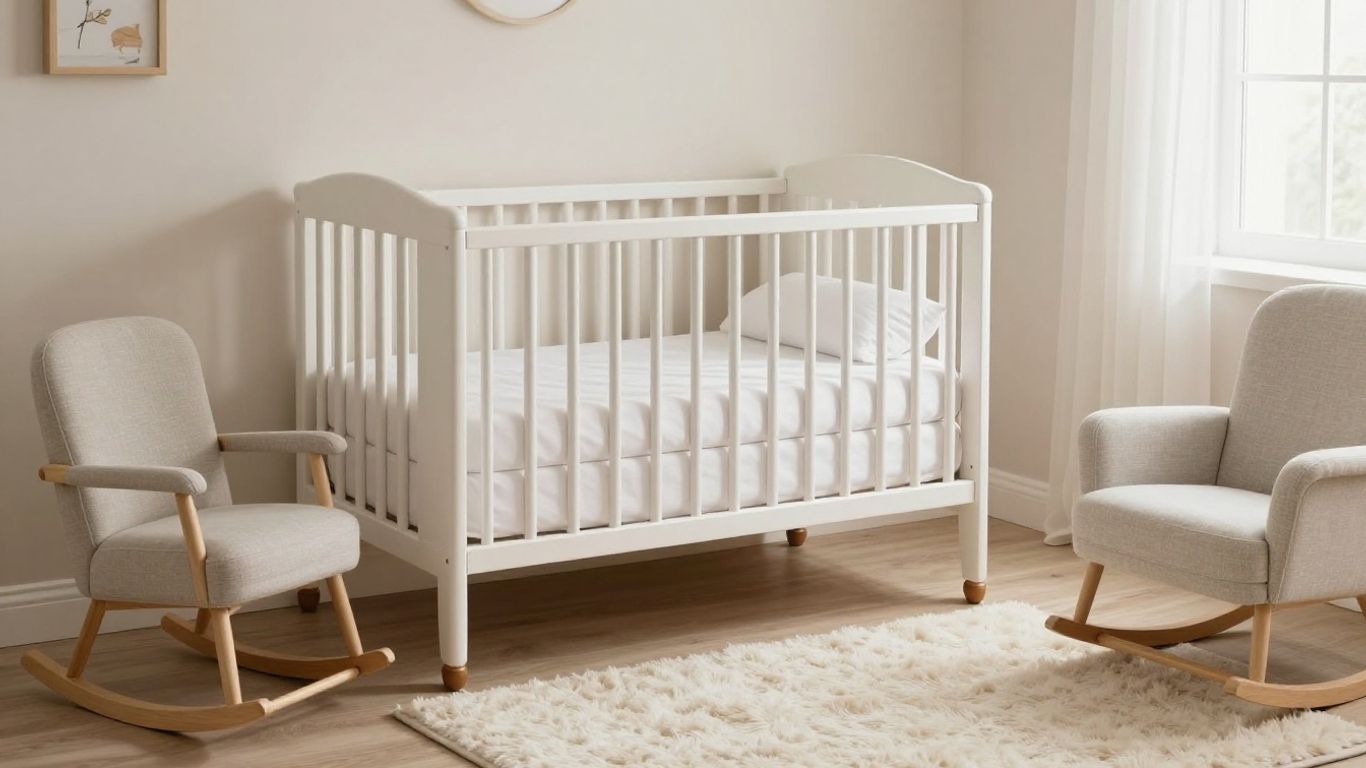
Getting your baby's room ready for sleep is a big deal. It's not just about picking out cute furniture; it's about creating a space where your little one can actually rest. Think of it as building a little haven, a place that signals "sleep time" from the moment you walk in. This means focusing on what truly matters for good sleep and skipping the stuff that just adds clutter or stress.
The Essential Crib and Mattress
This is the absolute core of the nursery. You need a safe place for your baby to sleep, and that means a sturdy crib and a firm mattress. Forget fancy designs for now; focus on safety standards. The American Academy of Pediatrics (AAP) is pretty clear on this: a bare crib is best. That means no extra blankets, pillows, or bumpers. Just a fitted sheet on a firm mattress is all your baby needs. It might seem sparse, but it's the safest way to go. When choosing a mattress, look for one that fits snugly in the crib, with no gaps around the edges. This prevents little limbs from getting stuck. A good mattress is an investment in your baby's safety and sleep. You can find more details on safe sleep environments on this page.
Sound Machines: A Soothing Companion
Babies are used to noise. Before they were born, they were in a pretty noisy environment! So, complete silence can actually be jarring for them. This is where a sound machine can be a lifesaver. It provides a consistent, calming background noise that can help mask sudden sounds that might wake your baby. Think of it like white noise, but more intentional. It can help create a familiar and predictable sleep environment. When using one, just remember a couple of safety points: keep it a good distance from the crib, at least seven feet away, and keep the volume moderate, under 50 decibels. You don't want it to be too loud, just consistently present. It can really help signal to your baby that it's time to wind down.
Safe Sleep Practices: What to Avoid
When setting up the nursery, it's easy to get caught up in all the adorable accessories. But when it comes to sleep, safety has to come first. There are a few things you should definitely steer clear of to create a secure sleep space for your baby.
- Loose bedding: This includes blankets, quilts, pillows, and crib bumpers. They pose a suffocation risk.
- Stuffed animals: While cute, they also increase the risk of suffocation and should be kept out of the crib.
- Mobiles and hanging toys: These can be a distraction and a potential strangulation hazard if they fall or get tangled.
- Harsh lighting: Bright overhead lights can disrupt sleep. Opt for a dim nightlight instead.
Prioritizing a safe sleep environment means saying no to items that could potentially harm your baby, even if they look nice or are often marketed as nursery must-haves. Focus on the basics and keep the sleep space clear.
Remember, the goal is a peaceful, safe sleep space. By focusing on the essentials like a good crib and mattress, using a sound machine wisely, and avoiding unnecessary items in the crib, you're setting your baby up for better sleep. And let's be honest, better sleep for the baby means better sleep for you too! For more on creating a calming atmosphere, check out nursery setup tips.
Dressing Your Little One: Comfort Over Clutter
When it comes to dressing your baby, it’s easy to get swept up in the adorable tiny outfits. But let’s be real, practicality trumps pretty much everything in those first few months. Your little one will be spending most of their time in simple, comfortable clothes, and they grow out of them faster than you can say "diaper change."
Beyond Newborn Size: Practical Clothing Choices
It’s a common mistake to buy too many newborn-sized clothes. Babies are often bigger than expected, or they grow out of that "newborn" tag in a blink. Focusing on sizes like 0-3 months and 3-6 months from the start will save you a lot of hassle and money. You'll want to register for more of these larger sizes and stick to easy-to-wear pieces. Think about what you'll actually use day-to-day, not just for special occasions. You can find some great ideas for a functional layette here.
Footies and Onesies: The Everyday Uniform
For the first several months, your baby's wardrobe will likely consist of footed pajamas and bodysuits, also known as onesies. These are lifesavers for busy parents. Footies keep tiny toes warm without the need for extra socks that always seem to go missing. Onesies are perfect for layering and make diaper changes a breeze thanks to the snaps at the bottom. They're simple, comfortable, and exactly what your baby needs for sleeping and playing.
Skip the Fancy Outfits: Focus on Function
While those little dresses and button-down shirts are undeniably cute, they often aren't the most practical choice for everyday wear. Zippers and snaps can be fiddly, especially during late-night changes. Plus, many babies find stiff fabrics or elaborate designs uncomfortable. It's better to invest in a good number of soft, breathable basics. You can always dress them up a bit for photos, but for daily life, comfort and ease of use are key. You'll want to prioritize items that are easy to wash and wear, as laundry will become a constant task. A good starting point for understanding what you truly need can be found in essential clothing items.
Remember, babies grow at an astonishing rate. What fits today might be too small next week. Prioritizing comfort and ease of dressing will make your life, and your baby's, much happier during these fleeting early months.
Feeding Time Favorites: Essentials for Nourishment
Feeding your little one is a big part of those early days, and having the right setup can make all the difference. It's not just about the baby, though; it's about making sure you're comfortable and supported too. Think of this space as your feeding command center.
Comfortable Seating for Parents
This is probably the most important piece of furniture in the nursery, besides the crib. You'll be spending a lot of time here, whether you're breastfeeding, bottle-feeding, or just rocking your baby to sleep. A good chair needs to have solid back support and be comfy enough for marathon feeding sessions. The gentle rocking motion can be a lifesaver for soothing a fussy baby. Plus, once feeding days are behind you, it’s still a great spot for reading stories or quiet cuddles. Don't skimp here; your back will thank you later. Consider a glider or a supportive rocking chair that feels right for you. It's a long-term investment in your comfort. You can find great options for baby feeding essentials that include comfortable seating.
The Humble Nursing Pillow
Seriously, don't underestimate the power of a good nursing pillow. When you're feeding your baby eight to ten times a day (or more!), your arms and back will get tired. A nursing pillow provides a stable, comfortable platform to support your baby, taking the strain off you. It helps you maintain a good position for both breastfeeding and bottle-feeding, making those long sessions much more manageable. It's one of those items that seems simple, but it really makes a big difference in your daily routine.
Convenient Side Tables
Think about what you need within arm's reach during a feeding. A small side table next to your feeding chair is a game-changer. It's the perfect spot for a water bottle for you, a pacifier, burp cloths, or even your phone. No more fumbling around in the dark or trying to balance things precariously. Having a designated spot for these items means fewer interruptions and a more peaceful feeding experience for both you and your baby. It's a small addition that brings a lot of convenience.
Setting up a dedicated feeding station with comfortable seating, a supportive pillow, and a handy side table can transform feeding times from a chore into a more relaxed bonding experience. It's about creating a calm environment for both parent and baby during these frequent and important moments.
Here's a quick rundown of what to prioritize:
- Comfortable Chair: Look for good back support and a smooth rocking or gliding motion.
- Supportive Pillow: A nursing pillow is key for taking pressure off your arms and back.
- Accessible Table: Keep essentials like water, pacifiers, and burp cloths within easy reach.
- Good Lighting: Soft, adjustable lighting is better than harsh overhead lights for nighttime feedings.
Diaper Duty Delights: Streamlining Changes
Let's talk about the nitty-gritty of diaper duty. It's a big part of life with a new baby, and setting up a smooth system can make a world of difference. You don't need a whole lot of fancy gadgets to handle this task; in fact, some things marketed as helpful are just plain unnecessary.
The Changing Station Setup
First things first, you need a dedicated spot for diaper changes. While a full changing table is an option, it's often not a must-have. Many parents find that a sturdy dresser with a comfortable changing pad on top works just as well. This way, you get double duty out of your furniture. The key is to have everything you need within arm's reach. This means diapers, wipes, diaper cream, and a few burp cloths or soft rags for any unexpected messes. Keeping these items organized and accessible is the real game-changer. You can even use the top dresser drawer to store your diapering supplies, making it super convenient. If you go this route, just be sure the changing pad is secured to the dresser and has safety straps for your little one. A safe surface is paramount when setting up your diaper changing station.
Diaper Pails: Odor Control Heroes
Dealing with dirty diapers means dealing with smells. While a regular trash can will technically do the job, it's worth considering a diaper pail. These specialized bins are designed to lock away odors, which can be a lifesaver, especially in a small nursery. Some have multi-stage filters and special liners that really help contain the funk. It might seem like an extra expense, but if you're sensitive to smells, it's a worthwhile investment for a fresher-smelling room.
Skip the Applicators: Hands-On Hygiene
Now, about those diaper cream applicators you might see – the silicone wands and the like. Honestly, they're pretty much a waste of money. You're already using your hands to change the diaper, so it's just a few extra seconds to wash or wipe your fingers afterward. There's no real need for a special tool to slather on diaper cream. Keep your diaper changing essentials like cream and wipes handy, and just use your fingers. If you're worried about mess when you're out and about, a small travel pack of hand sanitizer or some baby wipes in your diaper bag will do the trick. It's all about keeping things simple and effective.
Smart Storage Solutions for a Tidy Space
Okay, let's talk about keeping that nursery from turning into a disaster zone. Because trust me, it can happen faster than you think. Between tiny socks, mountains of onesies, and all those adorable (but numerous) baby shower gifts, organization is key. You don't need a huge room to make it work, just a little planning.
Baskets and Bins: Organization Allies
These are your best friends for corralling all the little things. Think about where you'll be spending most of your time – by the changing table, near the rocking chair. Having a few attractive baskets or bins within easy reach means you can quickly stash away a burp cloth, a spare pacifier, or even a small toy without having to get up. It’s amazing how much tidier a room feels when the clutter is contained. You can use them for blankets, extra diapers, or even those books you're collecting. For a more organized approach, consider using labeled drawer dividers within larger bins to keep things sorted.
Dresser Drawers: More Than Just Clothes
Your baby's dresser isn't just for clothes, though it'll hold plenty of those. It can actually be a multi-functional piece. If you're short on space, you can skip a separate changing table altogether. Just add a secure, comfortable changing pad to the top of the dresser. The top drawer can then become your changing station hub, holding diapers, wipes, and creams. It’s a smart way to maximize your furniture. Just make sure that changing pad is strapped down tight and has safety straps for the baby.
Keeping it Accessible: Shelving Strategies
When it comes to books and toys, shelves are a lifesaver. Instead of a bulky bookcase taking up floor space, think about wall-mounted shelves. You can even use them as a decorative element, displaying your baby's favorite books. This keeps them within easy reach as your little one grows and starts to explore. It's also a great way to keep toys organized and off the floor. Remember to keep items your baby can use now accessible, and store away things for later. This helps create distinct "zones" for different items, making the room feel more orderly and functional, which is a big part of organizing a nursery efficiently.
Don't underestimate the power of a good laundry basket in the nursery. It might seem simple, but tossing dirty onesies and burp cloths straight into it instead of onto the floor saves you a step and keeps the room looking much neater, especially on those chaotic mornings.
Playtime and Development: Encouraging Exploration
This section is all about giving your little one the space and tools to learn and grow. It’s less about filling the room with gadgets and more about creating opportunities for discovery.
Floor Time Freedom: Essential for Growth
Forget those fancy seats that prop your baby up before they’re ready. The real magic happens on the floor. This is where babies learn to roll, scoot, and eventually crawl, all at their own pace. It’s their first taste of independence and a vital part of developing their motor skills and understanding their body. Plenty of unstructured floor time is the best "toy" you can give them.
Stimulating Tummy Time Mats
While floor time is key, a good play mat can make it even more engaging. Look for mats with bright colors, different textures, and maybe even some hanging toys to encourage reaching and grasping. This is where they start to explore the world visually and physically. It’s a safe space for them to practice those new skills they’re developing. You can find some great options for sensory development that babies really seem to enjoy.
Age-Appropriate Toys: Less is More
It’s easy to get overwhelmed by all the cute toys out there, but babies don’t need a mountain of them. Focus on a few key items that encourage different types of play. Think rattles for grasping, soft books for sensory exploration, and simple stacking toys as they get a bit older. Rotating toys can also keep things fresh and exciting. You want toys that help your baby learn and grow through play, like these activities for babies.
The goal here isn't to entertain your baby every second, but to provide them with the environment and simple tools to entertain themselves and learn through exploration. It’s about building confidence and curiosity.
Nursery Extras: The Nice-to-Haves and the No-Nos
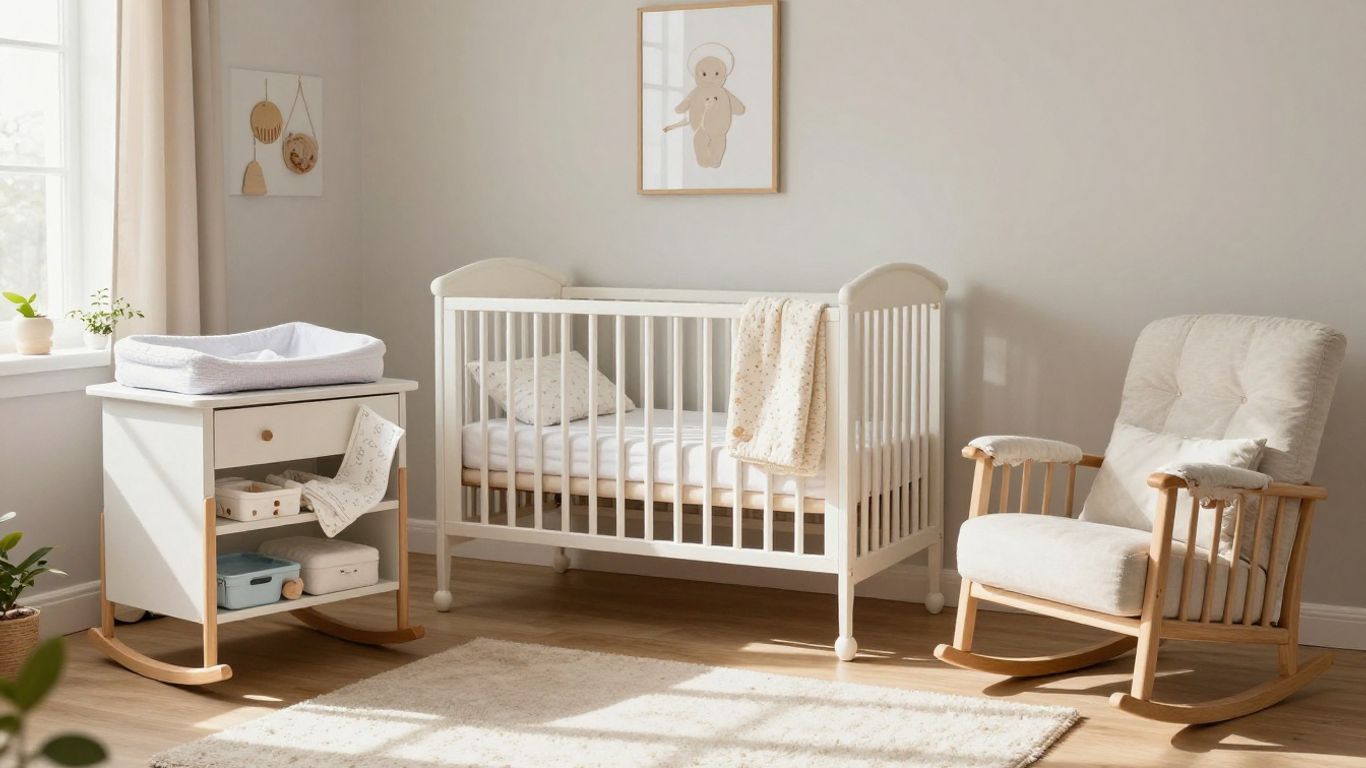
Okay, so you've got the big stuff sorted – the crib, the dresser, the changing station. But what about those little extras that might make life a bit easier or just add a touch of charm? Let's talk about what's actually worth considering and what you can probably skip.
The Journal: Capturing Precious Moments
Those first few weeks and months with a new baby are a blur. Seriously, a beautiful, sleep-deprived blur. Your brain feels like it's running on empty, and remembering when the last feeding was or what time that first smile happened can feel impossible. That's where a simple notebook and pen come in handy. Jotting down feeding times, diaper changes, and those adorable little milestones – like a coo or a giggle – can be a lifesaver. It helps you spot patterns and gives you a sweet little record to look back on later. It's a low-tech way to keep track of a high-tech time.
Laundry Baskets: Taming the Mess
This might seem obvious, but having a dedicated spot for dirty baby clothes right in the nursery makes a difference. Instead of tiny socks and onesies piling up on the floor (because let's be real, that happens), you can just toss them into a basket. It keeps the room looking tidier, which, trust me, is a win when you're already dealing with a mountain of other things. It's a simple organizational ally that helps keep chaos at bay.
Avoid These Nursery Pitfalls
Now, for the things you should probably steer clear of. Safety is always the number one priority, and some items, while cute, can actually pose risks.
- Crib Hazards: Keep the crib clear. This means no loose blankets, pillows, bumpers, or stuffed animals. These can be suffocation hazards. Also, avoid crib mobiles or toys that attach directly to the crib once your baby can reach them.
- Overstimulating Decor: While you want the nursery to be inviting, harsh, bright overhead lighting can be too much for a baby's sensitive eyes, especially during nap times. Opt for softer, dimmable options.
- Unnecessary Gadgets: Resist the urge to buy every single baby gadget marketed to you. Things like doorway jumpers or floor seats that put babies in unnatural positions before they're developmentally ready can actually hinder their natural motor skill development. Floor time and letting them move freely are far more beneficial.
When setting up your baby's room, remember that simplicity often wins. Focus on safety and what genuinely makes your life easier. You don't need a lot of fancy items to create a loving and functional space for your little one. Prioritize items that support your baby's development and your own well-being. For a more detailed look at preparing your baby's space, check out this guide to creating a baby nursery.
Think about what will truly serve you and your baby. Sometimes, the simplest solutions are the best. For instance, instead of specialized
When setting up your baby's room, some items are must-haves, while others are just nice to have. Don't get caught up in buying everything you see! Focus on the essentials first. For a smart way to figure out what you truly need, check out our personalized checklist tool on our website. It helps you sort through the must-haves and the 'maybe laters' based on your specific needs. Visit us today to get your custom list!
So, What's the Real Takeaway?
Phew, that was a lot of stuff, right? It’s so easy to get caught up in all the cute baby gear out there, but honestly, most of it isn't going to make a huge difference in your day-to-day life with a newborn. Think about it – your baby really just needs love, safety, and the basics. Don't stress too much about having the trendiest gadgets or the most elaborate setup. Focus on what truly makes life easier for you and keeps your little one comfortable and secure. You've got this, and remember, you can always grab something later if you discover you actually need it. Less really can be more when it comes to nursery stuff!
Frequently Asked Questions
When should I start setting up the nursery?
It's best to set up the nursery when it feels right for you. Many parents start around the end of their second or beginning of their third trimester. Others prefer to wait until after the baby arrives. The main goal is to make it a stress-free process, so give yourself plenty of time to plan and get things ready.
Is it okay to buy a used crib?
Buying a used crib can be tricky because safety rules change, and you might not know if it's up-to-date or if any parts are missing or broken. If you consider a used crib, make sure it follows the latest safety rules, hasn't been recalled, and is in perfect condition. For items like dressers or bookshelves, buying secondhand is usually a great idea.
How can I keep the baby's room tidy?
Keeping the nursery organized is key! Use baskets and bins to store toys and other items. Make sure drawers in the dresser are well-organized for clothes. Also, consider using shelves to keep things accessible and off the floor. A laundry basket in the room can also help keep dirty clothes off the floor.
What are some nursery items that are often not needed?
Many parents find that things like fancy baby shoes, special bath robes, or diaper cream applicators aren't really necessary. Also, avoid things like crib bumpers, which can be unsafe, or too many newborn-sized clothes, as babies grow out of them very quickly. Focus on practical items that serve a real purpose.
Why is a sound machine recommended for a nursery?
Babies are used to constant sounds from being inside the womb, like a heartbeat. Silence can be jarring for them. A sound machine can create a familiar and soothing background noise that helps calm some babies and makes it easier for them to fall asleep. Just be sure to place it far from the crib and keep the volume at a moderate level.
What are the most important things for safe sleep in the nursery?
For safe sleep, the most crucial items are a firm crib mattress, a fitted sheet, and a safe crib. It's important to avoid loose blankets, pillows, crib bumpers, and stuffed animals in the crib, as these can be suffocation hazards. Always follow safe sleep guidelines to create a secure sleeping environment for your baby.
Ready to get prepared?
Build your personalized pregnancy checklist
Free, personalized, and built around your birth plan, budget, and due date.
Start My Checklist — Free →