Hospital Bag for C-Section: What's Different
Packing a hospital bag for a C-section? Discover essential items for mom & baby's comfort, recovery, and practical needs. Get your C-section hospital bag checklist!

So, you're getting ready for a C-section and wondering what to pack? It's totally normal to feel a bit unsure, especially since a C-section hospital bag has some different needs than a standard one. Think of it this way: you're recovering from surgery while also getting to know your brand-new baby. We've put together some ideas to make sure your hospital stay is as comfortable as possible, covering everything from comfy clothes to those little extras that make a big difference. Let's get your hospital bag c section ready!
Key Takeaways
- Pack your hospital bag c section around 37 weeks, as scheduled C-sections can sometimes happen earlier than expected.
- Prioritize loose, high-waisted clothing and comfortable loungewear that won't irritate your incision.
- Include extra pillows for support during feeding and rest, and consider items for incision comfort like cooling pads.
- Don't forget practicalities like long phone chargers, snacks, and any personal toiletries you prefer.
- While hospitals provide some basics, bringing your own preferred items can significantly boost your comfort during recovery.
Your C-Section Hospital Bag: Comfort is Key
So, you're getting ready for a C-section, huh? It's a big deal, and while you're focused on your little one's arrival, don't forget about yourself! Packing your hospital bag with comfort in mind can make a world of difference during your recovery. Think of it as creating your personal comfort zone, even when you're in a hospital room. Since a C-section is surgery, your body will need some extra TLC, and having the right items on hand means less fussing and more resting.
Post-Surgery Essentials for Mom
When you're recovering from surgery, comfort is absolutely paramount. You'll want items that are gentle on your incision and easy to manage. The goal is to minimize any strain and maximize your ability to relax.
- High-waisted underwear: These are a lifesaver! They sit above your incision, so nothing rubs or irritates it. Look for breathable, soft fabrics.
- Loose-fitting clothing: Think soft pajamas, nightgowns, or loungewear that won't put pressure on your abdomen. Easy access for nursing is a bonus.
- Maternity pads: Even though you won't be bleeding like after a vaginal birth, you'll still have some discharge. Hospitals usually provide these, but bringing your own preferred brand can be nice.
- Nursing bras and tops: If you plan to breastfeed, comfortable, easy-access bras and tops are a must.
Remember, a C-section is major surgery. Your recovery will involve managing pain, healing an incision, and dealing with limited mobility. Prioritizing comfort items isn't a luxury; it's a necessity for healing.
Comforting Extras for Recovery
Beyond the absolute must-haves, a few extra items can really boost your comfort levels. These are the little things that make a big difference when you're feeling a bit sore and tired.
- Your own pillow: Hospital pillows can be hit or miss. Bringing your favorite pillow from home can make sleeping and resting so much more comfortable.
- A cozy blanket: Hospitals can sometimes be chilly. A soft blanket from home can provide extra warmth and a sense of security.
- Lip balm and moisturizer: Hospital air can be really dry, leaving your skin and lips feeling parched. Keep these handy!
- Entertainment: A good book, downloaded podcasts, or a tablet can help pass the time, especially during those quiet moments.
Hydration and Practicalities
Staying hydrated is important for recovery, and a few practical items can make your hospital stay smoother. Don't forget to pack things that make daily tasks a bit easier.
- Reusable water bottle: Having your own bottle makes it easy to keep track of your fluid intake. A straw can be super helpful when you're lying down.
- Snacks: Hospital food is... well, hospital food. Pack some of your favorite non-perishable snacks for when hunger strikes. Think granola bars, nuts, or dried fruit.
- Long phone charger: You'll want to stay connected, and outlets can sometimes be far from the bed. A long cord or a portable power bank is a lifesaver. You can find great charging accessories online.
- Slippers or slip-on shoes: You'll want something easy to put on and take off, especially when you start moving around a bit more. Look for ones with a non-slip sole for safety.
Dressing for Your C-Section Recovery
Okay, so you're prepping for a C-section, and while the medical stuff is top of mind, let's talk about what you're actually going to wear. This isn't just about looking presentable; it's about feeling as comfortable as possible while your body does some serious healing. Think soft, loose, and easy. Because bending over and anything tight around your midsection? Not your friend right now.
Loose and High-Waisted Clothing Choices
When it comes to pants and bottoms, the golden rule is: avoid anything that puts pressure on or rubs against your incision. This means ditching those low-rise jeans for a while. High-waisted is the way to go, but make sure they're super soft and stretchy, not constricting. Think maternity leggings or soft lounge pants with a wide, gentle waistband. Some moms even prefer bottoms that sit entirely above their incision, or no waistband at all. It's all about finding what feels best for your healing body. You'll want a few options, maybe two to three pairs of these comfy bottoms. It's also a good idea to pack a loose-fitting dress or a skirt to wear home; it feels so much better than trying to pull on pants right away.
- High-waisted, soft maternity leggings: Look for breathable fabrics like cotton or bamboo blends.
- Loose-fitting pajama pants or lounge pants: Ensure the waistband is wide and sits comfortably above your incision.
- Empire-waist dresses or nightgowns: These flow away from your abdomen, offering maximum comfort.
- A comfortable dress for going home: Choose something easy to slip on and off.
Remember, your incision site is sensitive. Anything that digs in or causes friction will just make recovery tougher. Prioritize softness and a fit that stays out of the way.
Comfortable Robes and Loungewear
Beyond pants, think about your upper body and overall comfort. A soft, open-front robe is a lifesaver. It's easy to throw on over pajamas or a nursing top, provides warmth if the hospital is chilly, and makes it simple for nurses and doctors to check on your incision without a lot of fuss. Nursing-friendly tops are also a smart choice if you plan to breastfeed. Look for ones with easy access, like buttons or a crossover design. You'll likely be spending a lot of time resting, so making your loungewear as cozy as possible is a big win. Having a couple of these sets will make a difference.
Supportive Undergarments
Underwear choices are pretty specific after a C-section. Forget your regular undies for now. You'll want high-waisted underwear that goes above your incision. These help keep everything contained and protected without irritating the surgical site. Many hospitals provide mesh underwear, which can be useful initially, but investing in a few pairs of soft, high-waisted postpartum underwear is a good idea for when you're feeling a bit more up to it. Also, consider nursing bras if you're planning to breastfeed. Look for ones that are comfortable, supportive, and easy to open for feeding. You might need two or three nursing bras, depending on how long you're in the hospital and how often you plan to change.
| Item Type | Key Features | Quantity | Notes |
|---|---|---|---|
| Postpartum Underwear | High-waisted, soft, breathable fabric | 3-5 pairs | Avoid anything with a tight elastic band near the incision. |
| Nursing Bras | Comfortable, easy-access clips, good support | 2-3 | Wire-free options are often more comfortable initially. |
| Robe | Soft fabric, open front, knee-length or longer | 1-2 | Great for warmth and easy access for medical checks and nursing. |
| Loungewear Sets | Loose fit, soft material, nursing-friendly tops | 2-3 | Prioritize comfort for rest and recovery. |
| Going-Home Outfit | Loose dress or comfortable pants/top combo | 1 | Choose something that won't put pressure on your abdomen. |
Essential Toiletries and Personal Care
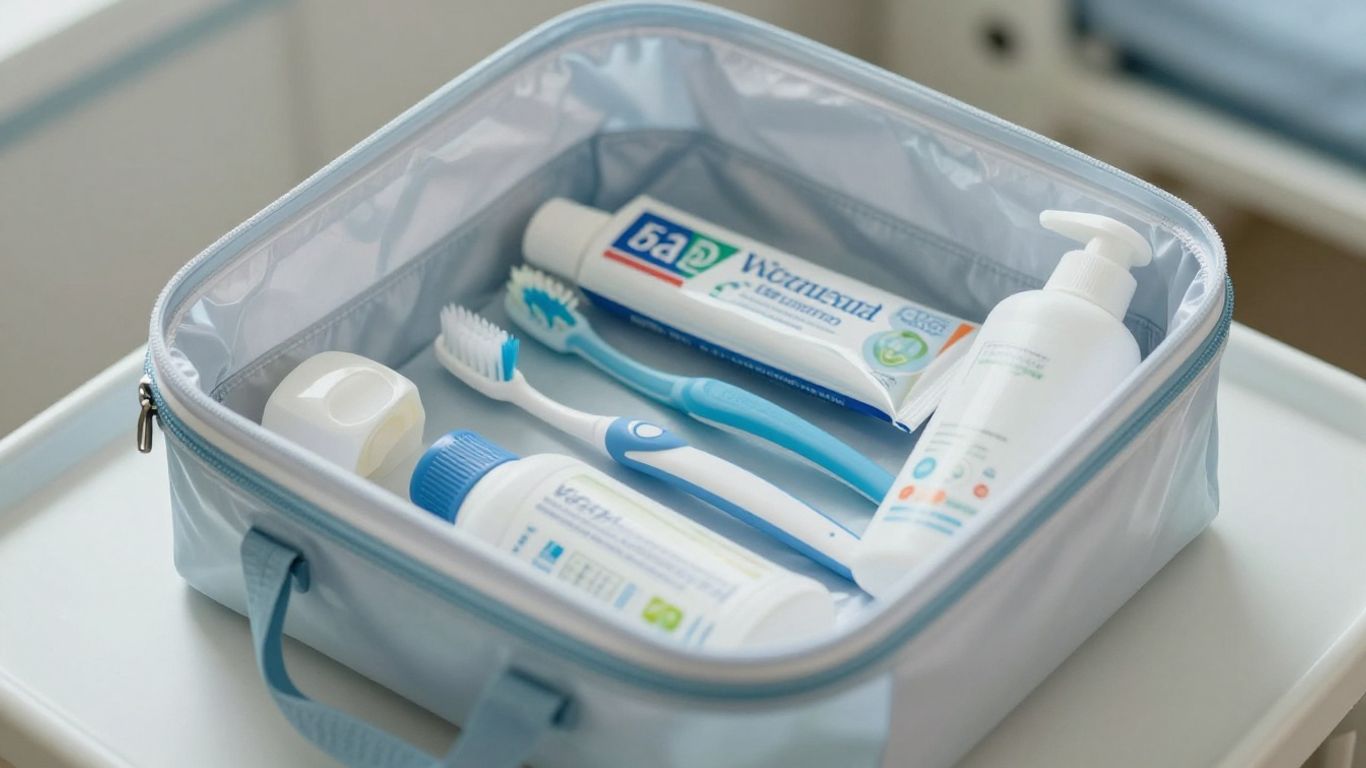
Okay, so you've got the big stuff covered for your C-section hospital stay, but let's talk about those little things that make a big difference in how you feel. After major surgery, even simple things like freshening up can feel like a challenge, but having the right personal care items can really help you feel more like yourself.
Freshening Up Post-Surgery
When you're recovering, you might not feel up to a full shower right away, and that's totally okay. Having some quick refreshers on hand can be a lifesaver. Think about packing some gentle face wipes to clean your skin and maybe some dry shampoo for your hair. It sounds simple, but feeling a little cleaner can boost your mood quite a bit. Also, don't forget a toothbrush and toothpaste – brushing your teeth can make you feel surprisingly human again. Hospitals can be a bit dry, so keeping your mouth from feeling parched is a good idea.
Skin and Lip Care
That hospital air can be really drying, right? Your skin might feel tight, and your lips can get chapped easily. Packing a good moisturizer and some lip balm is a smart move. It's a small comfort, but it can make a noticeable difference, especially when you're trying to rest. A little bit of self-care for your skin can go a long way in making your hospital stay more comfortable.
Hair Management
Keeping your hair out of your face is surprisingly important for feeling put-together. Bring hair ties, a brush, or even a soft headband. If you're not feeling up to washing your hair, dry shampoo is your best friend. It can give your hair a quick refresh without the fuss. Having a few simple hair tools can make a big difference in how you feel day-to-day.
Remember, this is major surgery, and your body needs time to heal. Don't put pressure on yourself to feel perfectly
C-Section Specific Comfort Items
Recovering from a C-section is a bit different than a vaginal birth, and having the right comfort items can make a world of difference. Think of these as your personal recovery toolkit, designed to make your hospital stay and the first few weeks at home as smooth as possible.
Abdominal Support and Pillows
Your incision site needs some TLC, and that's where abdominal support comes in. Many moms find that a gentle pressure helps with the feeling of everything shifting around inside. A good abdominal binder or a C-section recovery belt can provide this support. It's not about being tight, but more about giving your belly a sense of stability. Also, don't underestimate the power of a good pillow from home! The ones at the hospital are okay, but your favorite pillow can make a big difference in how comfortably you sleep or how you prop yourself up to feed the baby. A nursing pillow is also a lifesaver for supporting your baby during feeding, taking pressure off your abdomen.
Cooling Comforts for Incision Care
Swelling and discomfort around the incision are common. Bringing some cooling pads or even just some disposable ice packs can offer a lot of relief. Some specialized postpartum underwear is designed to hold these packs right where you need them, which is pretty clever. It's a simple thing, but having something cool to apply can be incredibly soothing, especially in those first few days when everything feels a bit tender. You can find some great options to help with post-surgery comfort.
Mobility Aids and Circulation Support
Moving around after surgery can feel challenging. Slip-on shoes or comfortable slippers are a must because bending over to tie laces is probably the last thing you'll want to do. Compression socks are also highly recommended. They help with circulation, which is important for healing and can reduce the risk of blood clots. Your legs might feel a bit swollen, and these socks can make a noticeable difference in how they feel. It's all about making those first steps and movements a little easier and safer.
Packing for Baby's Arrival
Okay, so you've got your own hospital bag sorted, which is a huge win! Now, let's talk about the star of the show: your little one. While the hospital does provide some basics, having a few key items packed specifically for your baby will make those first moments and the trip home much smoother.
Newborn Essentials for C-Section Moms
When it comes to your baby's needs, think simple and practical. The hospital will likely have diapers, wipes, and basic onesies on hand, which is great because it means less to lug around. However, you'll definitely want a special outfit for your baby's grand exit from the hospital. This is often a moment captured in photos, so pick something sweet!
Here’s a quick rundown of what your baby will need:
- Going-home outfit: This can be a simple onesie and pants set or a cute sleeper. Don't forget a hat, especially if the weather is cool.
- Sleepers: Pack about two or three zip-up sleepers in newborn and 0-3 month sizes. Zip-ups are a lifesaver in the middle of the night!
- Mittens and socks: To keep those tiny hands from scratching and little feet warm.
- A soft blanket or swaddle: For an extra layer of warmth and comfort during the trip home.
- Pacifier: If you plan to use one, bring your preferred type.
Remember that your baby's car seat needs to be installed correctly in your car before you head to the hospital. Most hospitals require this for discharge, so get that sorted around 37 weeks.
Streamlining Baby's Bag
To keep things organized and easy to find, consider packing your baby's items in a separate small bag or a designated section of your main hospital bag. This way, when it's time to dress your baby to leave, you won't have to dig through everything. It's also helpful to have a few extra diapers and wipes handy, just in case the hospital supply runs low or you prefer a specific brand. If you're planning to formula feed, check with your hospital about whether they provide ready-to-feed bottles or if you should bring your own baby formula.
Think about what you'll need for the first few days. While the hospital is generous with supplies, having your own going-home outfit for your baby is a must. It's a sweet way to mark the occasion. You've got this!
Preparing Your Hospital Bag for a C-Section
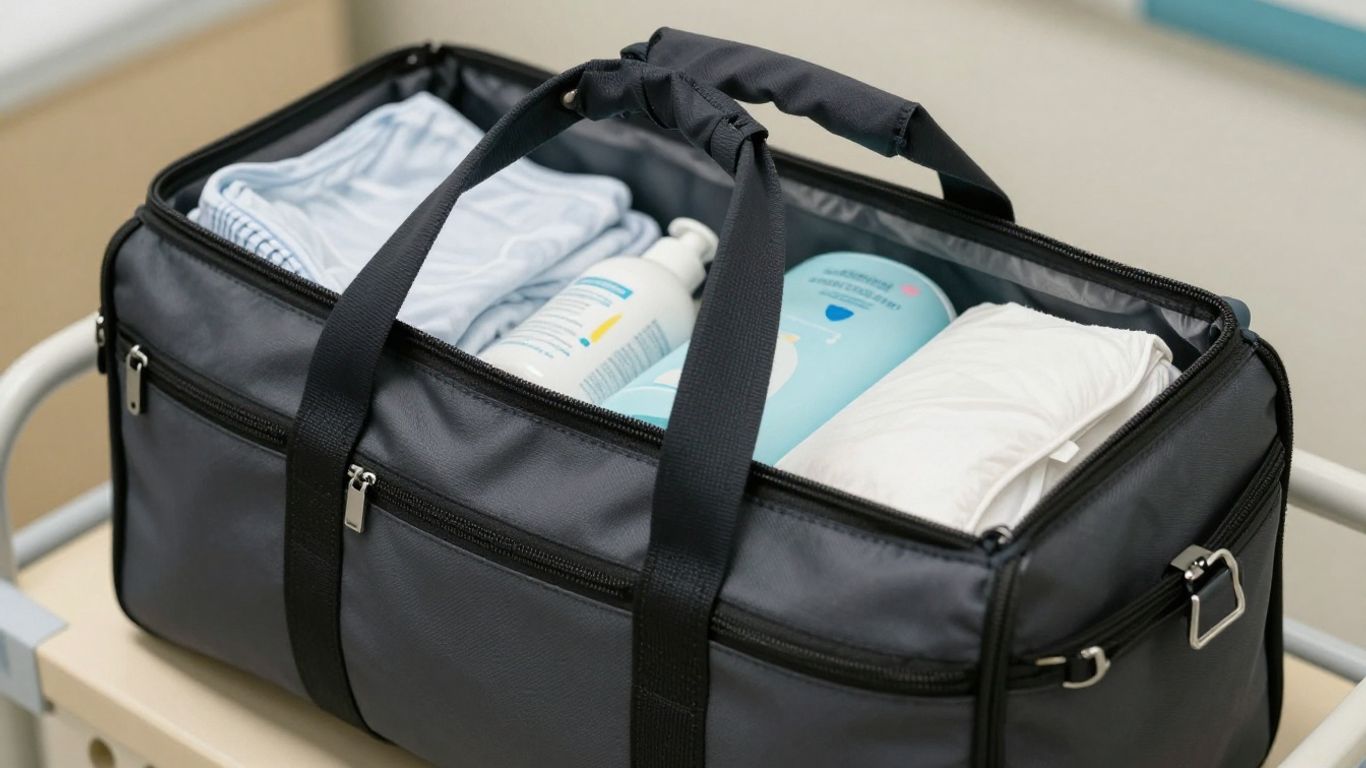
So, you've got a C-section on the calendar. That's a big deal, and it means your hospital bag might need a slightly different approach than if you were planning for a vaginal birth. Since a C-section is surgery, recovery often means a bit more time in the hospital – think 3-5 days, sometimes longer, depending on how you and the baby are doing. This also means you'll want to pack with comfort and ease of movement in mind, especially around your incision.
When to Pack Your C-Section Bag
Most planned C-sections happen around the 39-week mark. A good rule of thumb is to have your bags packed and ready to go by week 37. Seriously, don't wait until the last minute. You never know when things might shift, and having everything ready will take a huge load off your mind. It’s like getting your holiday shopping done early – so much less stress!
Organizing Your Hospital Bags
This is where things can get a little strategic. Instead of one giant bag, consider splitting your hospital must-haves into two.
- Bag 1: Pre-Op & Immediate Post-Surgery: This bag is for your admission and the first few hours after surgery. Think essentials like your ID, insurance cards, any pre-registration paperwork, your phone and charger (a long one is a lifesaver!), lip balm, and maybe some comfy socks. This bag stays with you.
- Bag 2: Main Stay & Recovery: This is your bigger bag with everything you'll need for the rest of your hospital stay. It'll include your comfy clothes, toiletries, nursing essentials, and anything else for a longer recovery. This bag can be kept in the car and brought to you later, or a partner can bring it once you're settled in your recovery room. This way, you're not lugging around a massive bag right when you arrive.
Packing smart means you can focus on yourself and your new baby, rather than rummaging through things you won't need for a while. It's all about making your hospital stay as smooth as possible.
What Hospitals Typically Provide
While you'll want to pack plenty of your own comfort items, hospitals do provide some basics. They usually offer mesh underwear, large maternity pads, and basic toiletries like soap and a toothbrush. They'll also have hospital gowns, though many moms prefer their own comfy ones. It's always a good idea to check with your specific hospital about what they provide, as this can vary. You might also want to bring your own nursing essentials if you plan to breastfeed, as hospital supplies can be limited.
Remember, this is your time to recover and bond with your baby. Being prepared with your hospital bag is a big step in making that happen. You've got this!
Getting ready for a C-section means packing your hospital bag with care. You'll want to include items for comfort, recovery, and your baby's needs. Don't forget things like comfy clothes, toiletries, and essentials for your little one. For a complete and personalized list tailored to your specific needs, visit our website today!
You've Got This!
So, there you have it! Packing for a C-section definitely has a few extra things to consider compared to a vaginal birth, mostly because you're recovering from surgery. Think comfort, ease, and making sure you have everything you need so you can focus on your little one and healing. It might seem like a lot, but breaking it down into a pre-op bag and a main stay bag can really help. You've done the hard work of preparing, and now you can relax a little knowing you're ready for whatever comes next. Congratulations on your new arrival – you're going to do great!
Frequently Asked Questions
When should I pack my hospital bag for a C-section?
It's a good idea to have your hospital bag packed by week 37 of your pregnancy. Since C-sections can sometimes be scheduled earlier than expected or happen sooner, being ready ahead of time means less stress for you. Having your bag packed early also gives you peace of mind.
How long should I pack for?
Most C-section hospital stays last about 3 to 5 days. It's best to pack enough clothes and toiletries for at least four full days. If you end up staying longer, your partner or a friend can always bring you extra items.
Does the hospital give me everything I need for after surgery?
Hospitals usually provide some basics like large pads, mesh underwear, and pain medicine. They might also offer an abdominal binder or stool softener. However, it's smart to check with your hospital beforehand to see what they offer, as it can differ.
What's different about packing for a baby after a C-section?
For your baby, the packing list is pretty similar whether it's a C-section or vaginal birth. Hospitals typically provide diapers, wipes, and basic clothing. You'll want to bring a few comfortable sleepers, a hat, and a cute outfit for going home.
How many outfits should I bring for myself?
Focus on comfort! Pack about two or three loose nightgowns or comfy sets that are easy for nursing. Also bring a few pairs of high-waisted underwear, a cozy robe or cardigan, and slip-on shoes or slippers. The key is clothing that won't bother your incision.
Are there any special items for C-section comfort?
Yes! Many moms find items like a supportive belly band, extra pillows (especially one for your incision), and compression socks very helpful. Things like dry shampoo and lip balm can also make a big difference in feeling refreshed.
Ready to get prepared?
Build your personalized pregnancy checklist
Free, personalized, and built around your birth plan, budget, and due date.
Start My Checklist — Free →