First-Time Mom Checklist: A Complete Guide
Your ultimate first time mom checklist! Get essential baby gear, nursery must-haves, and postpartum recovery items. Prepare for your little one!

So, you're about to become a first-time mom, huh? Exciting times! But also, maybe a little overwhelming with all the stuff you suddenly need. It feels like everyone has an opinion on what's a 'must-have' and what's just extra. We get it. That's why we put together this first time mom checklist. It's not about having the fanciest gear, but about being prepared with the practical things that will make those first few months a bit smoother for you and your little one. Think of it as a friendly guide to cut through the noise.
Key Takeaways
- Stock up on basics like onesies, sleepers, and socks, and don't forget hats and weather-appropriate outerwear.
- Diapering is a big one: have plenty of diapers, wipes, and rash cream ready, plus a changing pad and a good diaper bag.
- Feeding essentials include bottles, formula (if needed), burp cloths, and a nursing pillow for comfort, whether breastfeeding or bottle-feeding.
- For mom's recovery, comfy clothes, maxi pads, and nipple cream are super helpful.
- Safety first for travel with a car seat and stroller, and keep baby close with a carrier.
Nursery Essentials For Your Little One
Setting up your baby's nursery is one of those exciting first steps into parenthood. It's your job to create a safe and cozy haven for your little one. While it's easy to get carried away with cute decor, focusing on the essentials first is key. Think about what your baby truly needs for sleep, comfort, and safety. You don't need a Pinterest-perfect room from day one; a functional and loving space is what matters most.
Safe Sleep Sanctuary
Creating a safe sleep environment is probably the most important thing you'll do for your baby's nursery. The goal is to reduce the risk of Sudden Infant Death Syndrome (SIDS) and other sleep-related breathing issues. This means the crib itself needs to be just right.
- Crib or Bassinet: Choose a crib that meets current safety standards. Make sure it has a firm mattress that fits snugly, with no more than two fingers' width between the mattress and the side of the crib. A bassinet can be a good option for the first few months, especially if you plan to keep the baby in your room.
- Firm Mattress: A hard surface is best for infant sleep. Avoid soft mattresses, pillows, or bumpers in the crib.
- Fitted Sheets: You'll need at least two or three fitted sheets that are specifically designed for the crib mattress. They should be snug and not come loose.
- No Loose Bedding: Keep the sleep area clear of blankets, quilts, stuffed animals, and positioners. If you need to keep your baby warm, use a wearable blanket or sleep sack. This is a really important point to remember.
The American Academy of Pediatrics has a lot of great information on safe sleep practices that can help you set up your baby's sleep space correctly. It's worth taking a look.
Cozy Crib Companions
While the sleep space itself needs to be bare, there are a few items that can make it more comfortable and practical for you and your baby. Think about what you'll need for those frequent nighttime feedings and diaper changes.
- Swaddle Blankets/Sleep Sacks: Many newborns find comfort in being swaddled, which mimics the feeling of being held in the womb. Look for breathable fabrics. Sleep sacks are a safer alternative as your baby grows and can't be easily unwrapped.
- Receiving Blankets: These are lighter than swaddles and have multiple uses – think burp cloths, makeshift changing pads, or light covers.
- Burp Cloths: You can never have too many burp cloths! Spit-up is a regular part of newborn life, and these soft cloths will save your clothes (and your sanity).
Monitoring Their Slumber
As your baby starts sleeping in their own room, or even just in a different part of the house, a baby monitor can offer peace of mind. It allows you to keep an ear on your little one without constantly hovering.
- Audio Monitors: These are the simplest type, allowing you to hear your baby. They are generally more affordable.
- Video Monitors: These let you see your baby, which can be reassuring, especially for first-time parents. Some even have features like two-way talk or night vision.
- Smart Monitors: More advanced options might connect to your phone, offering features like temperature monitoring or breathing movement tracking. Consider what level of oversight makes you feel most comfortable. You can find a great baby monitor to suit your needs.
Setting up the nursery doesn't have to be a huge undertaking. Focusing on these core items will help you create a safe and comfortable space for your baby's arrival. You can always add more decorative touches later, but getting the basics right is the first step. Check out this nursery checklist for more ideas.
Dressing Your Newborn With Comfort
Getting your little one dressed might seem simple, but for a newborn, it's all about comfort and practicality. They're so tiny and delicate, and their skin is super sensitive, so choosing the right clothes makes a big difference. Think soft fabrics, easy access for diaper changes, and layers that can be adjusted.
Everyday Wear Wonders
For daily life, you'll want a good stock of basics. Onesies, also called bodysuits, are your best friend. They snap at the crotch, which makes diaper changes so much easier, and they keep the diaper area covered. Aim for a mix of short-sleeve and long-sleeve onesies, depending on the weather. Sleepers are also a must-have for nighttime or just lounging around. These are usually footed pajamas that zip or snap up the front. You'll also want a few pairs of soft pants or leggings, especially if you're using a lot of onesies. Don't forget socks or booties to keep those little feet warm, and a couple of soft hats for when you head outside.
- Bodysuits/Onesies: 8-10 (mix of short and long sleeves)
- Sleepers: 5-7
- Pants/Leggings: 5-7 pairs
- Socks/Booties: 8-10 pairs
- Hats: 2-3 soft caps
Remember that newborns grow fast! It's easy to get caught up in buying cute outfits, but focus on comfort and function for the first few months. You'll probably need a mix of newborn sizes and 0-3 month sizes right from the start.
Keeping Tiny Toes Toasty
Keeping your baby warm is important, but you don't want them to overheat. A good rule of thumb is to dress your baby in one more layer than you're wearing. So, if you're comfortable in a t-shirt, your baby might need a onesie and a pair of pants. For cooler weather, add a cardigan or a light jacket over their outfit. If it's really cold, a bunting or snowsuit will be necessary for outdoor excursions. Always check your baby's neck or back to see if they feel too hot or cold – their hands and feet can often feel cooler, which is normal.
Seasonal Style Savvy
When it comes to dressing your baby, the season plays a big role. For warmer months, lightweight cotton onesies and short-sleeved outfits are perfect. A sunhat with a wide brim is a good idea for protecting their delicate skin when you're out and about. In cooler weather, you'll want to layer up. Think long-sleeved bodysuits, footed sleepers, and perhaps a cozy sweater or jacket. For very cold climates, a warm snowsuit or bunting bag is a lifesaver. It's always better to have a few options to adjust to the temperature, rather than being stuck with outfits that are too heavy or too light. You can find some great tips on dressing for the weather here.
Diapering Delights And Necessities
Let's talk about the nitty-gritty: diapering! It's a big part of your baby's life, and honestly, you'll be doing a lot of it. So, getting this part right from the start makes a huge difference. Think of it as a skill you'll quickly master, like changing a tire or making a decent cup of coffee.
Stocking Up On Diapers
This is where you'll want to have a good supply ready. Babies go through diapers like crazy – we're talking about 10 or more a day in the early weeks. It's a good idea to have a mix of sizes because babies grow so fast. You might start with newborn size, but have some Size 1 ready to go. Don't go overboard on just one size, though. You can always grab more if needed.
Wipe Wonders
Alongside diapers, wipes are your best friend. You'll use them for every change, and sometimes for little messes that pop up unexpectedly. Having a good stash of gentle, baby-friendly wipes is key. Some parents prefer sensitive skin options, which is totally understandable.
Changing Station Essentials
Setting up a dedicated changing area makes life so much easier. You'll want a comfortable changing pad, maybe one that's easy to wipe down. Having a place to store diapers, wipes, and creams nearby is a game-changer. A portable changing mat is a must-have for when you're out and about. It gives you a clean surface wherever you go, which is super helpful.
The Trusty Diaper Bag
This bag is your mobile command center. It needs to be big enough to hold all your diapering supplies, plus a change of clothes (because accidents happen!), and maybe a few other bits and bobs. Think about pockets and compartments to keep things organized. You don't want to be digging around for a clean diaper when you're in a rush. Packing your diaper bag thoughtfully means you're prepared for anything.
Remember to pack extra diapers and wipes for longer outings. It's always better to have a little too much than not enough when you're out with your little one. A small wet bag is also handy for soiled clothes or extra diapers.
Feeding Your Bundle Of Joy
Getting the hang of feeding your new baby is a big part of those first few months. Whether you're planning to breastfeed, bottle-feed, or a mix of both, having the right supplies makes a world of difference. It's not just about the milk; it's about comfort, convenience, and making sure your little one is getting all the nourishment they need.
Breastfeeding Bliss
If you're choosing to breastfeed, there are a few things that can make the experience smoother. A good nursing pillow can be a lifesaver, offering support for both you and the baby during those frequent feeding sessions. You'll also want to have plenty of burp cloths on hand – trust me, you'll go through them faster than you think! For moms who plan to return to work or want to share feeding duties, a breast pump is a great investment. It allows you to store milk and gives you a bit more flexibility. Remember to also consider nursing bras and pads for your own comfort.
Bottle-Feeding Basics
For those opting for bottle-feeding, whether with breast milk or formula, you'll need a set of reliable bottles and nipples. It's a good idea to have a variety of sizes, as your baby's needs will change. Don't forget a good bottle brush for cleaning! If you're using formula, make sure you have a supply ready to go. Newborns can be quite particular about how often they eat, so having enough bottles clean and ready is key. You might find yourself washing bottles quite a bit, so having a decent number on hand is helpful. Having at least 8-10 bottles, a mix of 4-ounce and 8-ounce sizes, is a good starting point.
Essential Feeding Accessories
Beyond the milk itself, there are other items that can make feeding time easier. Bibs are a must, especially as your baby gets a little older and starts to be a bit messier. Burp cloths are also incredibly useful for catching any dribbles or spit-ups. If you're pumping, you'll need milk storage bags or containers to keep your expressed milk safe. Keeping track of feeding schedules can also be helpful, especially in the early days when babies eat around the clock. You can find apps that help with this, or simply a notebook will do.
Feeding frequency can vary a lot. Newborns often feed 8 to 12 times in a 24-hour period if breastfed, and slightly less if formula-fed. It's not uncommon to need to wake a sleepy baby to ensure they're getting enough to eat. Always check with your pediatrician if you have concerns about your baby's intake.
Here's a quick look at what you might need:
- For Breastfeeding: Nursing pillow, breast pump, milk storage bags, nursing bras, nipple cream.
- For Bottle-Feeding: Bottles (various sizes), nipples, bottle brush, formula (if applicable).
- For Both: Burp cloths (lots!), bibs, a way to track feedings.
Remember, feeding is a journey, and it's okay to adjust your approach as you go. Don't hesitate to reach out to your pediatrician or a lactation consultant if you have questions or need support. You've got this!
Bath Time Bonding And Beyond
Bath time is more than just cleaning; it's a wonderful chance to connect with your little one. The warm water can be super relaxing for babies, making it a positive experience for everyone. Getting the right supplies makes bath time easier and safer.
Gentle Cleansing Crew
When it comes to washing your baby, think gentle. You'll want a few key items:
- Baby wash and shampoo: Look for mild, tear-free formulas specifically made for infants. You don't need much, just a tiny bit.
- Soft washcloths: These are perfect for gently washing your baby's skin and for drying them off afterward. Having a few on hand is a good idea.
- Hooded towels: These are great because they keep your baby's head warm after the bath. They're usually super soft, too.
Soft Towel Treasures
After the bath, wrapping your baby in a soft towel is a cozy experience. Hooded towels are a favorite because they cover your baby's head, preventing heat loss. Having at least two or three on hand is practical, especially if one is in the wash.
Tub Time Safety
Safety is number one when it comes to bathing your baby. Here are a few things to keep in mind:
- Baby bathtub: Whether it's a small, portable tub or one that fits in your sink, a dedicated baby tub makes bathing easier and safer. It keeps your baby supported and prevents them from sliding.
- Water temperature: Always test the water temperature before putting your baby in. It should feel warm, not hot. Your elbow or wrist is a good way to check – it should feel comfortable, not scalding.
- Never leave baby unattended: This is the most important rule. Even for a second, never leave your baby alone in the bath. If you need to step away, take your baby with you.
Preparing a calm environment for your baby's first bath can make it a special bonding moment. Consider a swaddle bath, gently lowering your loosely wrapped baby into the water. This ritual offers bonding opportunities and practical tips for a safe and enjoyable experience.
Remember, bath time is a great opportunity for sensory learning and gentle play. It's a chance to bond and create happy memories. You can find more tips on preparing for your baby's first bath here.
Mom's Postpartum Recovery Kit
Okay, mamas-to-be, let's talk about YOU. While all the baby gear is exciting, remember that your body just did something incredible. It deserves some serious TLC after childbirth. Getting your postpartum recovery kit ready is just as important as stocking up on diapers. Think of it as your personal comfort and healing station for those first few weeks at home.
Comfortable Clothing Choices
Forget those tight jeans for a while. Your body is healing, and comfort is key. Think soft, loose-fitting clothes that are easy to get on and off, especially if you're breastfeeding. Pajamas, comfy sweatpants, yoga pants, and oversized t-shirts are your new best friends. Having a few robes and some cozy slippers will make those early days feel a bit more luxurious, even if you're just shuffling around the house.
Post-Birth Essentials
This is where the practical stuff comes in. You'll want to be prepared for any "oops" moments and for general healing. Stocking up on heavy-flow maxi pads is a must. A peri bottle is surprisingly helpful for gentle cleaning. High-waisted, comfortable underwear that can accommodate pads is a lifesaver. Don't forget nursing pads if you plan to breastfeed, and nipple cream to soothe any discomfort. Ice packs specifically for the perineal area can offer much-needed relief. Having some postpartum care items ready to go will make a big difference.
Nourishing Yourself
Recovery isn't just physical; it's emotional too. Make sure you have easy-to-grab snacks on hand because you'll be busy. A water bottle with a straw is fantastic for staying hydrated, especially if you're nursing, and it's easier to sip while holding a baby. Having some simple, pre-prepped meals or knowing where to order from can take a lot of pressure off. Remember to be kind to yourself during this time; you've earned it.
Your body has been through a marathon. Prioritize rest, hydration, and gentle movement when you feel up to it. Don't be afraid to ask for and accept help from your partner, family, or friends. This is not the time to be a superhero; it's the time to heal and bond with your new baby.
On-The-Go Adventures
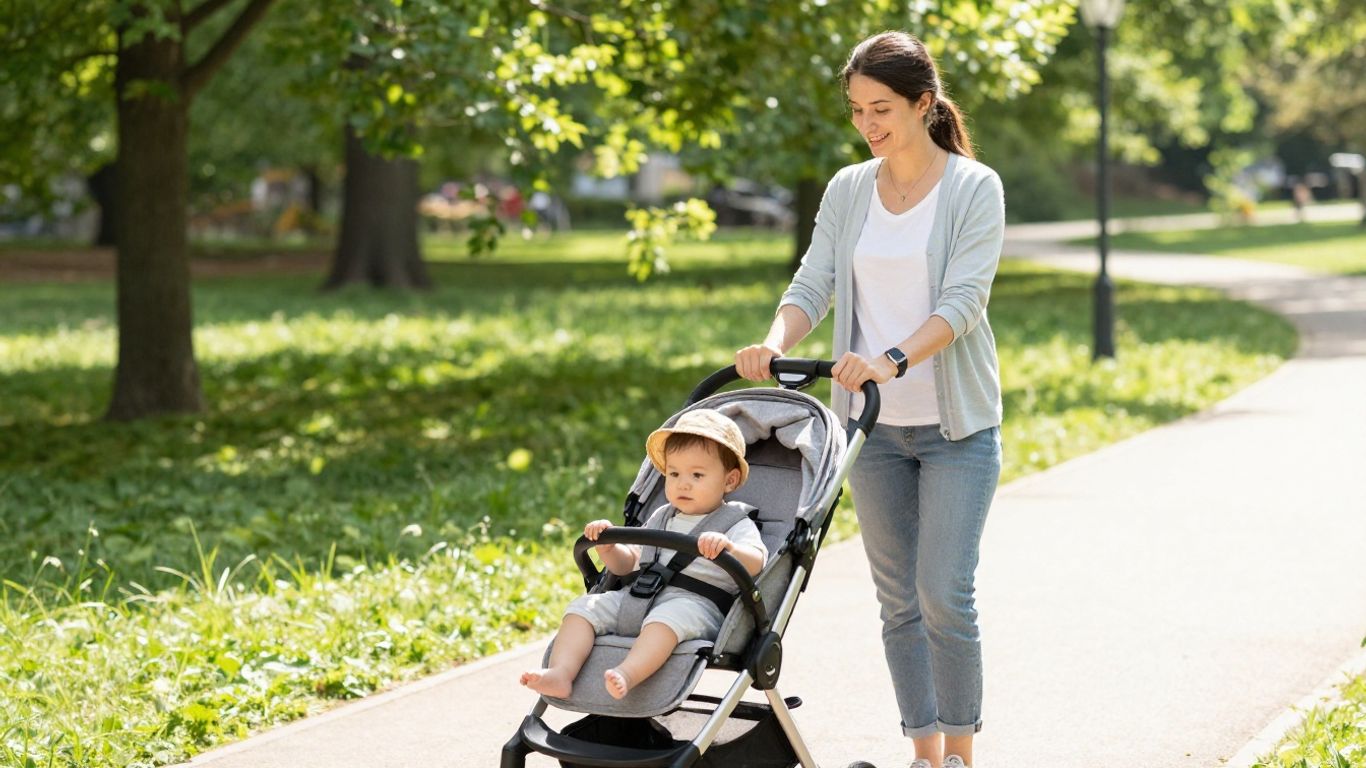
Getting out and about with your little one for the first time can feel like a big expedition. But with a few smart choices, you can make these outings enjoyable for everyone. It’s all about being prepared and having the right gear to make life a bit easier.
Travel Safety First
Safety is always the top priority when you're traveling with your baby. This means having a reliable car seat that’s properly installed. For newborns, a rear-facing car seat is the way to go, and you’ll want to make sure it’s suitable for their weight and height. Don't forget to check the safety standards for your region. When you're planning longer trips, having a good packing list can really help you stay organized and not forget anything important for your baby travel gear.
Strolling In Style
Choosing the right stroller can make a world of difference. Think about where you'll be doing most of your walking. If it's city sidewalks, a stroller with good maneuverability is key. If you're hitting trails, you might need something with bigger wheels. It’s also worth considering how easily it folds up and if it will fit in your car trunk. Some strollers are designed to grow with your child, offering different seating options as they get older.
Keeping Baby Close
Sometimes, you just need your hands free, and that's where a baby carrier comes in handy. There are several types, like wraps, slings, and structured carriers. Each has its own benefits, so it’s worth trying a few to see what feels most comfortable for you and your baby. A carrier is fantastic for keeping your little one snug and secure while you tackle everyday tasks or explore new places. A well-chosen carrier can be a lifesaver for busy parents.
Here’s a quick rundown of what to pack for a day out:
- Diapers and wipes (more than you think you’ll need!)
- A change of clothes (accidents happen)
- Snacks and a drink for you
- A small toy or comfort item for baby
- Sunscreen and a hat (if it’s sunny)
Packing your diaper bag efficiently is an art form. Think about what you use most frequently and keep it easily accessible. A changing pad is a must, especially for public restrooms. Having a designated spot for dirty diapers can also save you from a smelly situation.
Keeping Baby Healthy And Happy

This section is all about making sure your little one stays well and cheerful. It covers the basics for when they're feeling under the weather, how to keep them clean and tidy, and what to do in case of minor boo-boos.
First Aid Fundamentals
It’s always a good idea to be ready for the unexpected. Having a basic first aid kit specifically for infants means you can handle small cuts, scrapes, or fevers quickly. Think about keeping a reliable thermometer handy – a digital one that gives a quick reading is a lifesaver. Also, a nasal aspirator can be incredibly helpful when your baby has a stuffy nose and can't breathe easily. Being prepared can make those little emergencies feel much less stressful.
Here’s a quick rundown of what to consider for your kit:
- Thermometer: A digital or temporal thermometer for accurate temperature checks.
- Nasal Aspirator: To help clear congestion.
- Baby-safe Antiseptic Wipes: For cleaning minor cuts or scrapes.
- Sterile Gauze Pads and Medical Tape: For covering small wounds.
- Infant Pain Reliever: Consult your pediatrician for appropriate options.
Soothing Sick Days
When your baby isn't feeling their best, your main goal is comfort. For fevers, always check with your pediatrician about safe ways to manage it. If they have a cold, keeping their nasal passages clear can make a big difference. Sometimes, just holding them close, singing a gentle song, or reading a story can be incredibly soothing. Remember, you're doing a great job just by being there for them. Engaging with your baby through talking and responding to their sounds helps them feel secure, even when they're not feeling well Positive parenting for infants.
Grooming Gracefully
Keeping your baby clean and comfortable is part of their daily care. Regular baths can be a lovely bonding time, but make sure the water is just the right temperature – not too hot, not too cold. Use mild, baby-specific soaps and shampoos to avoid irritating their delicate skin. Soft washcloths are perfect for gently cleaning them, and hooded towels keep them warm afterward. Don't forget about nail care; tiny nails can grow surprisingly fast and can cause scratches. Using baby nail clippers or scissors designed for infants is the safest way to trim them. A soft brush and comb can help keep their hair tidy.
Taking care of your baby's health and hygiene might seem like a lot at first, but it quickly becomes a natural part of your routine. Focus on gentle care and being observant, and you'll do great.
Keeping your little one healthy and happy is a top priority. From feeding schedules to safe sleep, there's a lot to think about. For simple tips and a personalized plan to help you get ready for your baby's arrival, check out our website!
You've Got This!
Whew! We've covered a lot, haven't we? It might seem like a mountain of stuff, but remember, this checklist is your guide, not a strict rulebook. Every baby is different, and you'll figure out what works best for you and your little one as you go. Don't stress too much about having every single thing perfect from day one. The most important things – love, patience, and a willingness to learn – aren't on any list. Take a deep breath, trust your instincts, and get ready for the most amazing adventure. You're going to be a fantastic mom!
Frequently Asked Questions
How many newborn clothes do I really need?
It's easy to go overboard with tiny outfits! For the first few months, focus on about 5-7 onesies, 4-6 undershirts, and a similar number of pants or sleepers. Babies grow super fast, and you'll be doing laundry often anyway. Don't forget a few pairs of socks and soft hats for warmth, and a sun hat for sunny days.
What are the absolute must-haves for diapering?
You'll need a good supply of diapers – think about 10-12 a day! Disposable or cloth, just make sure you have plenty. Also, grab baby wipes (lots of them!), a changing pad for comfy changes at home or on the go, and a diaper rash cream just in case. A sturdy diaper bag to carry it all is a lifesaver.
What feeding essentials should I get if I plan to breastfeed?
For breastfeeding moms, a comfortable nursing pillow can make a big difference. You'll also want nursing bras and breast pads to manage leaks. A breast pump is handy for storing milk and giving you a little break, plus some nipple cream can be a lifesaver for sore spots.
What's the most important thing for baby's sleep space?
Safety is key! Your baby needs a firm crib mattress with a fitted sheet. Avoid any loose bedding, bumpers, or stuffed animals in the crib. A bassinet can be great for the first few months, especially if you want the baby close by at night. A baby monitor is also a good idea so you can hear them if they stir.
Do I need a lot of baby bath items?
Not really! A gentle baby soap or wash and a couple of soft washcloths are enough for cleaning. A hooded towel is nice for keeping them warm after the bath. If you're using a regular sink or tub, a faucet cover can prevent bumps.
What should I pack in my postpartum recovery kit?
Focus on comfort! Pack loose, comfy clothes like pajamas and sweatpants. You'll want maxi pads for heavy flow, comfortable underwear, and maybe a peri bottle or soothing sprays. If you're breastfeeding, include nursing bras and pads. Staying hydrated is also key, so a water bottle with a straw is super helpful.
Ready to get prepared?
Build your personalized pregnancy checklist
Free, personalized, and built around your birth plan, budget, and due date.
Start My Checklist — Free →