Baby Stuff You Don't Need: 15 Items to Skip
Discover 15 baby stuff you don't need! Save money and space by skipping these unnecessary items on your registry. Read more!

Becoming a parent is a huge adjustment, and honestly, it can be a bit overwhelming trying to figure out what you actually need for a new baby. Everyone tells you what to buy, but sometimes, you end up with a lot of baby stuff you don't need cluttering up your house. Let's talk about some common items that most parents find they could have skipped.
Key Takeaways
- Many cute baby items, like newborn shoes and hooded towels, are purely decorative and not practical for everyday use.
- Specialized gadgets such as bottle sterilizers, wipe warmers, and diaper disposal systems often have simpler, more cost-effective alternatives.
- Expensive nursery items like elaborate crib bedding and bumpers are unnecessary and can even pose safety risks.
- While some items are personal preferences, many gadgets designed to 'fix' parenting problems are not essential.
- Focus on the true essentials and wait to see what your baby actually needs before buying too many extras.
1. Newborn Shoes
Okay, let's talk about those tiny, adorable shoes you see everywhere. They're undeniably cute, right? Like, "aww, look at those little feet!" moments. But here's the thing: your newborn isn't exactly hitting the pavement. They're not walking, running, or even crawling. So, while they might look picture-perfect, actual baby shoes are pretty much just for show at this stage.
Think about it. Your baby will spend most of their first few months swaddled, sleeping, or just chilling in your arms. Their feet need to be free to develop naturally. Plus, those little shoes can be a pain to keep on, and honestly, they'll probably outgrow them before they even get a chance to wear them much. It's one of those things that seems like a good idea for photos, but in the grand scheme of baby needs, they're really not a priority. You're better off saving that money for something they'll actually use, like more diapers or maybe a cute onesie that's easy to get on and off.
For the first year or so, your baby's feet are best left bare or covered with soft socks. This allows their muscles to develop properly and helps them get a feel for the world around them.
So, what should you put on those little feet instead?
- Soft socks: These are great for keeping tiny toes warm, especially in cooler weather. Look for ones that stay on well, maybe with a little grip on the heel.
- Booties: Similar to socks, but often a bit thicker and cozier.
- Barefoot: Honestly, this is often the best option when you're indoors. It lets their feet move and explore freely.
When your little one starts to get mobile and actually needs protection or support for walking, then you can think about actual shoes. But until then, those fancy little baby shoes can probably stay on the shelf, or better yet, be skipped altogether. It's just one less thing to worry about when you're already juggling a million new tasks. You can find some really practical baby socks that will do the job perfectly.
2. Wipe Warmer
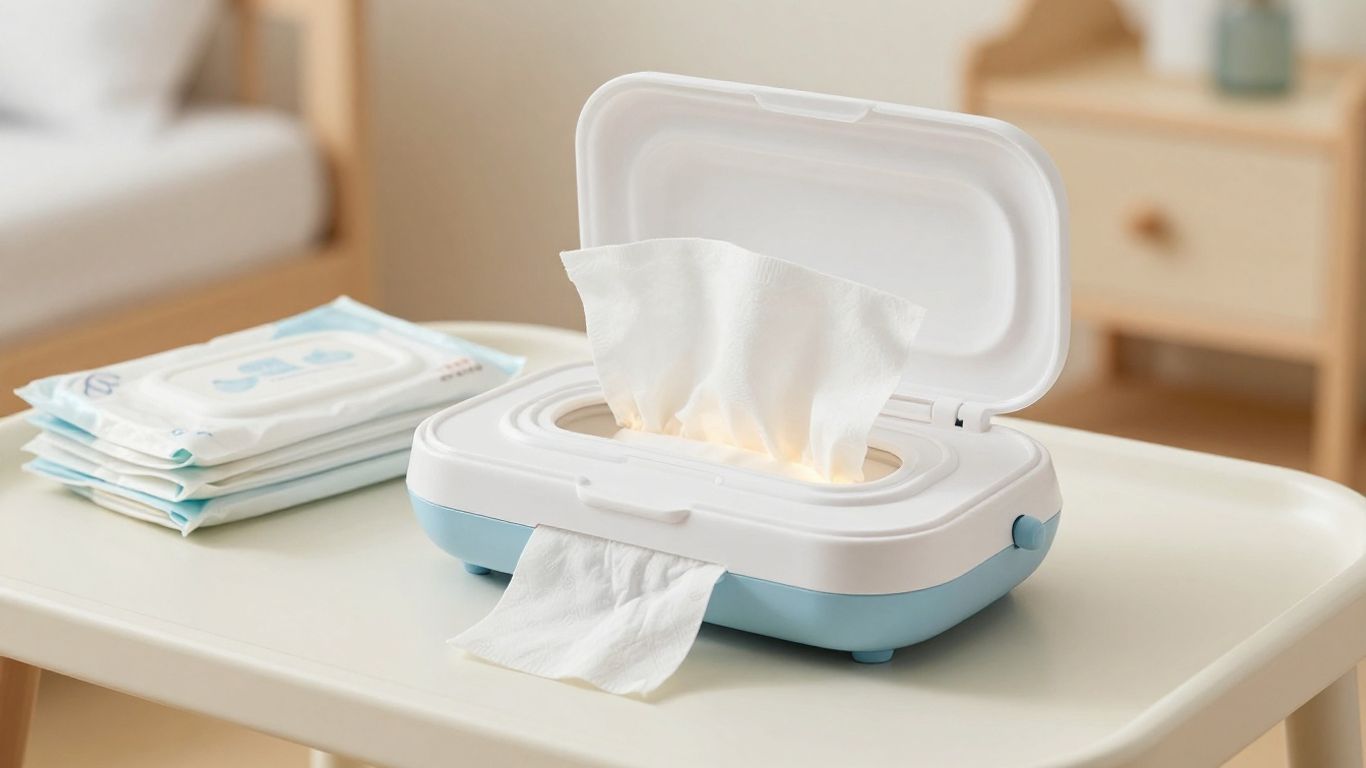
Okay, let's talk about the wipe warmer. I get it, the thought of a cold wipe on a baby's bum during a diaper change, especially in the middle of the night, sounds… well, unpleasant. It seems like a little luxury that could make things more comfortable for everyone involved. Some parents even find that a warm wipe can be soothing for their little one.
But here's the thing: is it really a necessity? Most babies honestly don't mind a room-temperature wipe. Think about it – when you're out and about, at the grocery store, or visiting family, there's no wipe warmer handy. Your baby will still need diaper changes then, and they'll be perfectly fine with whatever temperature wipe you have. This gadget can actually make the transition to non-warm wipes jarring for your baby.
Plus, these warmers can sometimes lead to wipes drying out or even developing mold if not maintained properly. It's just another thing to plug in, clean, and worry about. If you're really set on the idea, you might consider one that offers consistent heating, but honestly, most parents find they gather dust after the initial novelty wears off.
Here's a quick rundown:
- Babies are surprisingly adaptable to different wipe temperatures.
- You'll be changing diapers in places without a warmer anyway.
- It's an extra expense and another item to manage.
While the idea of a warm wipe is nice, it's a comfort that most babies don't require and parents quickly realize they can live without. It's one of those items that sounds great in theory but often ends up being a space-hogging dust collector.
3. Pee Pee Teepee
Okay, let's talk about the 'pee pee teepee.' Yes, it's a real thing, designed to catch those unexpected sprinklers during a diaper change for baby boys. The idea is that this little cone-shaped gadget will prevent any... accidents from happening.
However, in practice, these tend to be more of a hassle than a help. For starters, getting it to stay put on a wiggly baby is a challenge in itself. And if your little guy is anything like mine, he might just decide to pull it right off the second you manage to get it on. It's another small item that will likely end up in the laundry pile, and honestly, a regular washcloth or even just a quick hand can do the same job.
Think about it:
- Babies are unpredictable, especially during diaper changes.
- The teepee can easily slip off a squirming infant.
- It adds an extra step and another item to clean.
While the intention is good, most parents find that a simple towel or even just being quick on the draw is more effective. You can find some cute ones on Etsy, but consider if it's truly worth the extra cost and effort. For a more organized approach to baby prep, tools like the BumpReady checklist can help you prioritize what you actually need.
4. Bottle Sterilizer
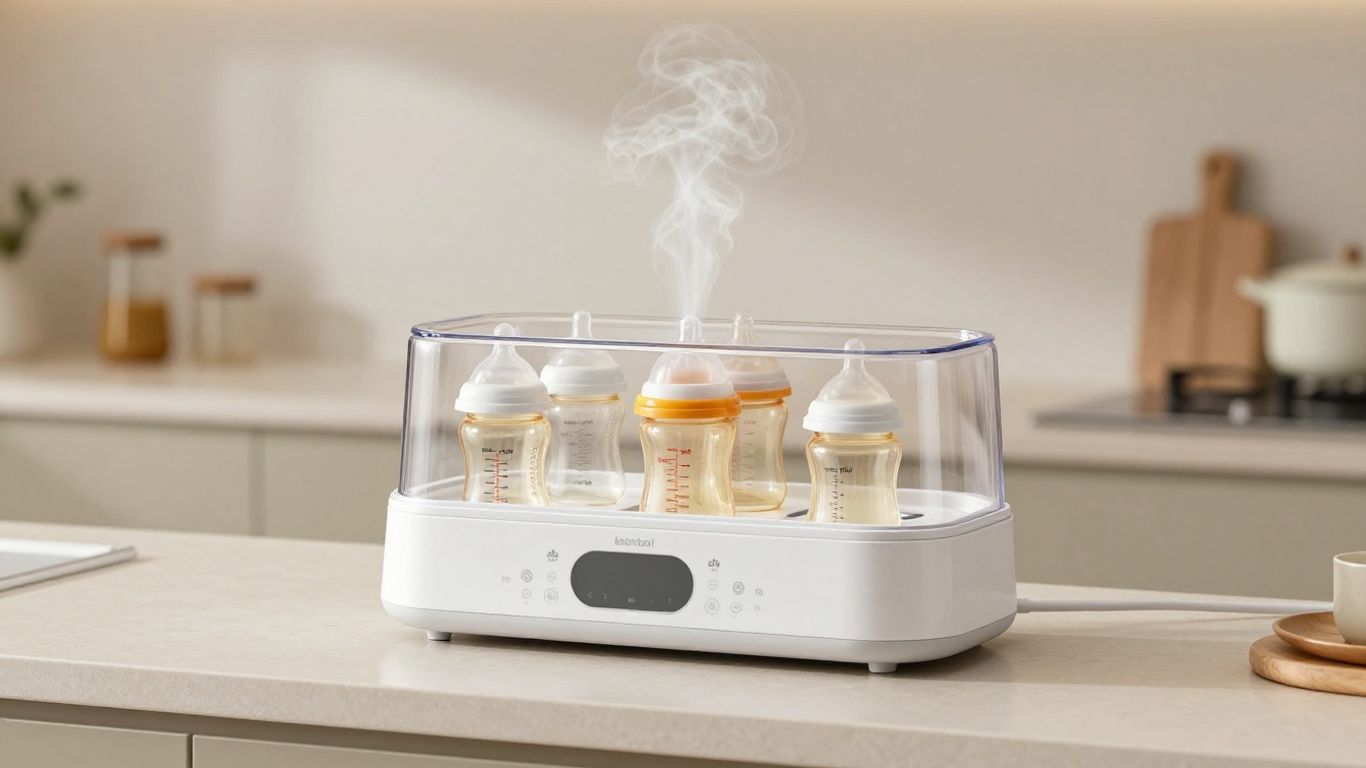
Okay, let's talk about bottle sterilizers. You see them advertised, and they look so high-tech and, well, necessary, right? The idea is to kill off any lingering germs. But here's the thing: most pediatricians agree that sterilizing bottles isn't medically required for healthy babies after their initial use. Unless your little one has a specific health issue or your doctor advises it, you can probably skip this gadget.
Think about it. You're already washing bottles, either by hand or in the dishwasher. The CDC actually suggests using hot water and a heated drying cycle or a sanitizing setting on your dishwasher. That usually does the trick! If you're really worried about germs, especially after a bout of illness, you can always boil the bottle parts in a pot of water for about five minutes. It's a simple method that achieves the same goal without adding another appliance to your counter.
Here's a quick rundown of why you might not need one:
- Dishwasher Power: Many modern dishwashers have sanitizing cycles that are perfectly effective.
- Boiling Method: A simple pot of boiling water works just as well for sterilization.
- Medical Necessity: It's generally not a requirement for healthy infants.
So, before you add a bottle sterilizer to your registry or buy one, consider if your existing cleaning routine is sufficient. You might be surprised to find out that you're already covered!
While a bottle sterilizer might seem like a good idea for extra peace of mind, it's often an unnecessary step. Your regular dishwashing routine, especially with a hot cycle, or a quick boil can effectively clean and sanitize your baby's bottles.
5. Changing Table
Okay, let's talk about changing tables. You know, those dedicated pieces of furniture just for diaper duty? While they might seem like a good idea at first glance, especially with those cute little contoured pads, you might want to think twice before adding one to your registry. Honestly, most parents find they can get by just fine without one. A dresser or even a sturdy desk can easily double as a changing station. You really just need a flat, safe surface.
Think about it: a changing table is a one-trick pony. Once your little one is out of diapers, it becomes just another piece of furniture to deal with. Why not use something you already have or will need anyway? If you opt for a dresser, you can easily attach a changing pad right to the top. It's a practical solution that saves space and money. If you're worried about safety, which is totally understandable, make sure to get a good changing pad with straps and always, always stay within arm's reach. Babies can roll sooner than you think!
Here are a few alternatives to consider:
- Dresser Conversion: Add a changing pad to the top of a dresser. This gives you storage and a changing spot.
- Crib Top Changer: Some cribs have attachments that turn a section into a changing area.
- Portable Changing Pad: For smaller spaces or if you're on the go, a simple, foldable changing pad works wonders. You can use it on any stable surface.
The biggest perk of a dedicated changing table is often the built-in guardrails. If you choose an alternative, a good contoured changing pad is a must. And remember, never, ever turn your back on your baby during a diaper change, no matter where you are doing it.
Many parents find that a simple changing pad placed on top of an existing dresser is all they need. It's a smart way to make the most of your nursery furniture and avoid buying something that will only be used for a short time. You can find great options for changing pad setups that include safety straps and comfortable padding.
6. Nursing Cover
Okay, let's talk about nursing covers. You might see these advertised as a must-have for breastfeeding on the go, promising privacy and comfort. And sure, for some parents, they can be helpful, especially in those early days when you're still getting the hang of things and feeling a bit self-conscious. But honestly, most of the time, you can skip this item.
Think about it: a thin blanket, a large scarf, or even just a strategically placed burp cloth can do the exact same job. You're probably already bringing those things with you anyway, so why add another dedicated item to your diaper bag? Plus, some babies really don't like being covered up, and honestly, we're all about normalizing breastfeeding wherever and whenever it needs to happen. There are some great options out there that do double duty, like covers that also work as car seat covers, which might be a more practical choice if you're set on one.
Here's the deal:
- Practice at home first: Get comfortable nursing in different positions before you even think about going out.
- Use what you have: A simple receiving blanket or a large scarf can provide all the coverage you need.
- Embrace the normalize: The more we see breastfeeding, the less of a big deal it becomes. You've got this!
While a nursing cover might seem like a good idea for maintaining privacy, it's often an unnecessary purchase. Many parents find that everyday items can serve the same purpose, reducing clutter and saving money. Focus on comfort and confidence, not extra gear.
If you're really worried about leaks, you might consider reusable breast pads, which can help keep you dry and comfortable without needing a full cover. Some of the best ones are quite absorbent and can be a lifesaver.
7. Hooded Baby Towels
Okay, let's talk about hooded baby towels. You see them everywhere, right? They're super cute with their little animal ears and fun patterns. And honestly, who can resist a baby wrapped up like a tiny, adorable burrito?
But here's the thing: are they really a must-have? Your regular, softest bath towels will do the job just fine. Think about it. When your little one is done with their bath, you just need something absorbent and gentle to dry them off and keep them warm. A regular fluffy towel does exactly that. You probably already have plenty of soft towels at home that are perfect for baby's delicate skin. You can even use a regular towel and just tuck a corner over their head like a makeshift hood if you're feeling fancy.
So, while they're undeniably charming, hooded towels are more of a "nice-to-have" than a "need-to-have." You can save that nursery space and money for things you'll actually use more often. If you do want something extra special for bath time, consider looking into organic baby towels made from bamboo blends. They're designed to be extra gentle and come in lovely colors.
Why they aren't essential:
- Functionality: A standard towel is just as effective at drying and warming your baby.
- Cost: You're paying extra for the hood and design, which doesn't add much practical value.
- Space: Another item to store when you likely already have suitable alternatives.
Ultimately, the goal is to get your baby dry and cozy quickly after a bath. While a hooded towel might add a touch of cuteness, it doesn't offer a significant advantage over a regular soft towel. Focus on having a few really soft, absorbent towels ready to go for bath time, and you'll be all set for that happy bath time experience.
8. Baby Detergent
Okay, let's talk laundry. When your little one arrives, it feels like the laundry pile multiplies overnight, right? You might think you need a special, super-gentle detergent just for baby clothes. But honestly, you probably don't. Most regular "free and clear" detergents are perfectly fine for your baby's delicate skin. The key is to avoid harsh fragrances and dyes, which can be irritating. So, instead of buying a separate, often pricier, baby-specific soap, just grab a dye-free and fragrance-free option for the whole family. It simplifies things and saves you money.
Why is this the case?
- Sensitive Skin: Babies' skin is thinner and more prone to irritation than adult skin.
- Irritants: Dyes and strong fragrances in some detergents can trigger rashes or allergic reactions.
- Cost Savings: Buying one detergent for everyone is more economical.
If you're really concerned about finding the right kind, look for labels that say "free and clear" or "hypoallergenic." These are generally good choices. You can also check out guides on non-toxic laundry detergent to get a better idea of what to look for and what to avoid.
While some brands market "baby detergents," they often contain the same basic cleaning agents as adult versions, just without the added perfumes or colors. The real benefit comes from avoiding those specific irritants, not from a "baby" label.
So, before you add another specialized item to your shopping list, remember that your regular, mild detergent is likely all you need. This approach helps keep your baby's skin happy and your laundry routine a bit simpler. For more on choosing safe products, consider looking into baby skin care advice.
9. Expensive Crib Bedding
Okay, let's talk nursery decor. You see those Pinterest-perfect cribs with the matching bumpers, quilts, and canopies, and they look amazing, right? But here's the thing: your baby doesn't need all that fancy bedding. In fact, most of it isn't safe for sleep. The American Academy of Pediatrics recommends keeping the crib clear of anything extra – no pillows, no blankets, no bumpers. It's all about reducing the risk of SIDS and other sleep-related issues.
So, what do you need? Just a simple, snug-fitting crib sheet. You'll want a few of these because, well, babies are messy. Think spit-up, diaper leaks, and general baby goo. Having a couple of spares makes laundry day a little less frantic. You can find some really soft and stylish options out there that won't break the bank. Check out guides for the best crib sheets to get an idea of what's out there.
Here's a quick rundown of what to skip:
- Decorative Pillows: Super cute, but a suffocation hazard.
- Quilts and Comforters: Too warm and bulky for safe sleep.
- Crib Bumpers: These are a major no-no due to strangulation and suffocation risks.
- Canopies and Drapes: While pretty, they can pose entanglement risks and aren't necessary for the baby.
Remember, the safest crib is a bare crib. Focus on a good mattress and a fitted sheet. Everything else is just extra stuff that can potentially be dangerous and will likely end up covered in baby drool anyway.
When it comes to safe sleep, simplicity is key. You can always add decorative elements around the nursery, but the crib itself should be a safe haven. Brands like Halo offer safer sleep baby essentials that focus on practicality and safety, which is what really matters in those early months.
10. Crib Bumpers
Okay, let's talk about crib bumpers. You know, those padded things that go around the inside of the crib? They look kind of cozy, right? Well, turns out they're a big no-no for baby safety. The biggest reason to skip them is the suffocation risk. It's a pretty serious concern that health organizations have been talking about for a while.
Seriously, the only thing your baby needs in their crib for safe sleep is a fitted sheet. Anything else, like pillows, blankets, or those decorative bumpers, can actually be dangerous. It's all about keeping the sleep space clear and simple.
The reality is, crib bumpers have been linked to infant injuries and even deaths. Because of these risks, they've actually been banned under federal law. It's a pretty clear signal that they're not worth the potential danger.
So, what should you do instead? Just stick to a good quality, snug-fitting crib sheet. That's it. You can always add decorative elements to the nursery outside of the crib itself. Safety first, always!
11. Baby Spa Tub
Okay, let's talk about the baby spa tub. You've probably seen them advertised – maybe they have little waterfalls, built-in thermometers, or even massage jets. It sounds pretty fancy, right? Like you're giving your little one a five-star spa experience from day one. But honestly, most parents are just trying to get through bath time without a major splash-zone disaster.
Think about it: your baby is tiny, a bit wobbly, and probably not too thrilled about being submerged in water. The biggest challenge is usually just keeping them safe and comfortable, not pampering them with a jacuzzi. Most standard baby bathtubs, like the highly-rated OXO Tot Bathtub, do a perfectly fine job of holding your baby securely while you wash them. Consumer Reports even tested a bunch of them to find the best ones.
Here's the deal:
- Limited Use: Babies grow out of these specialized tubs surprisingly fast. What seems like a luxury now will likely be outgrown in a few months.
- Space Hog: These tubs can be bulky and take up a lot of bathroom real estate, which is often at a premium when you have a new baby.
- Simpler is Better: A basic tub that fits in your sink or the adult tub, along with a gentle baby wash, is usually all you need for a clean and happy baby.
You're going to spend a lot of time just trying to keep your baby warm and dry, not necessarily trying to replicate a day at the spa. Save the fancy bath experiences for yourself later.
So, while the idea of a baby spa tub is cute, it's probably one of those items you can skip. Stick to a reliable, no-frills baby bath, and you'll be all set for bath time bonding.
12. Diaper Disposal System
Okay, let's talk about the diaper pail. You absolutely need a place to put those dirty diapers, no question. But do you need a fancy, specialized diaper disposal system with its own proprietary bags? Probably not. These systems often come with a hefty price tag for the refills, and honestly, they don't always live up to their odor-blocking promises. You might find yourself emptying it more often than you'd like, and the cost of those special bags adds up fast.
Think about it: you're going to go through a mountain of diapers. Investing in a good, regular trash can with a tight-fitting lid is often a much more practical and budget-friendly solution. You can then use standard, large trash bags, which are way cheaper when bought in bulk. Plus, once your little one is out of diapers, you've still got a perfectly good trash can for other uses. Some parents even find that simply taking out the regular trash more frequently does the trick for odor control.
Here's a quick breakdown:
- Cost: Specialized bags for diaper pails can be surprisingly expensive over time.
- Odor Control: While they aim to trap smells, many parents find they aren't as effective as a simple, tightly lidded trash can.
- Convenience: You still have to empty it regularly, and dealing with the special bag refills can be a hassle.
Ultimately, a sturdy trash can with a lid and a commitment to frequent emptying is usually all you need. You can save money and hassle by skipping the dedicated diaper disposal system. Many parents find that a good diaper pail is a worthwhile investment, but don't feel pressured into the most expensive models if odor control is your main concern; some simpler options perform just as well, like the Munchkin STEP.
So, before you buy that specialized bin, consider if a regular trash can might just be your best bet. It's one less thing to worry about refills for, and it gets the job done.
13. Baby Food Processor
Okay, let's talk about the baby food processor. You see these things advertised, and they look so sleek and convenient, right? They promise to steam and blend your little one's meals into perfect purees. But honestly, do you really need a dedicated gadget for this?
Think about it. Most of us already have a perfectly good blender or even a food processor in our kitchen. These work just fine for making baby food. You can steam veggies in a separate pot and then just pop them into your existing blender. It might take an extra minute, but it saves you counter space and money. Plus, if you're leaning towards baby-led weaning, purees aren't the main focus anyway. That approach involves offering soft, graspable pieces of food for your baby to explore themselves. You can find a great baby-led weaning guide to get started.
Here's a quick rundown of why you might want to skip this specific appliance:
- Existing Appliances: Your regular blender or food processor can do the job.
- Baby-Led Weaning: This method doesn't rely heavily on purees.
- Simplicity: Mashing soft fruits like bananas with a fork is often all that's needed for early stages.
The idea of making all your baby's food from scratch is lovely, and it's totally achievable without a specialized machine. It's about finding a method that fits your lifestyle, not buying every single baby-specific gadget out there. Many parents find that a good baby food maker that combines steaming and blending is a worthwhile investment if they plan to make a lot of purees, but a separate processor is usually overkill.
So, before you add another appliance to your collection, consider if your current kitchen tools can handle the task. Chances are, they can!
14. Sound Machine
Okay, let's talk about sound machines. You know, those little gadgets that promise to lull your baby to sleep with a symphony of white noise, ocean waves, or maybe even a gentle fan hum. While they can be a lifesaver for some parents, are they really a must-have?
The truth is, you might not need one at all. Many parents find that everyday household noises are enough to mask sudden sounds that might wake a baby. Plus, a simple YouTube search can provide an endless stream of soothing sounds for free.
Here's the lowdown:
- What they do: Sound machines aim to create a consistent, calming auditory environment. This can help block out disruptive noises and mimic the womb-like sounds that some babies find comforting.
- Alternatives: Your phone or a tablet can stream countless free sound options. Even a fan can provide a steady, low hum.
- Safety first: It's important to keep the volume at a safe level. Some machines can get surprisingly loud, and you don't want to risk damaging your baby's hearing. Always keep the machine at a distance from the crib. You can find some helpful tips on safe sound machine use here.
While the idea of a dedicated sound machine is appealing, especially when you're sleep-deprived, remember that simpler solutions often work just as well. Your baby might be perfectly content with the natural sounds of your home or a playlist you curate yourself.
If you do decide a sound machine is the way to go, there are tons of options out there, from basic models to fancy ones with apps and night lights. It's worth doing some research to find a top-rated model that fits your needs and budget, but don't feel pressured to buy one right away. See if a friend has one you can borrow, or try out the free app options first.
15. Bouncer
Okay, let's talk about bouncers. These little contraptions can be a lifesaver when you just need a safe spot to put the baby down for a few minutes. You know, like when you need to shower, make a quick snack, or just, you know, use the bathroom in peace. Many parents find them incredibly useful for those moments.
Some babies absolutely adore them, finding the gentle bouncing motion super soothing. Others? Not so much. It really is a hit or miss situation, and what works for one baby might not work for another. If you're considering one, think about how much space you have and if you already have a swing. Often, a swing and a bouncer serve a similar purpose, so you might not need both. If you do decide on a bouncer, look for one that's easy to clean because, let's be real, things get messy.
Here's a quick rundown of why you might consider skipping it, or at least waiting:
- Space limitations: If your home is already feeling cramped, another piece of baby gear might be too much.
- Baby's temperament: Some babies just don't like being contained.
- Alternatives exist: Swings, carriers, or even just a safe spot on a play mat can often do the trick.
While a bouncer can offer a temporary hands-free solution, it's important to remember that babies also need plenty of supervised floor time for development. Over-reliance on seated devices can limit opportunities for natural movement and exploration.
If you're curious about different models and what to look for, there are resources that help parents choose a baby bouncer seat. Consumer Reports also did some testing on various brands, which might give you a clearer picture of what's out there and how they perform based on rigorous tests.
Navigating the final stretch of pregnancy can feel overwhelming, but we're here to help simplify things. Think of us as your personal guide, making sure you're prepared for your little one's arrival without the stress. Get your custom plan today!
So, What's the Takeaway?
Okay, so we've gone through a bunch of baby stuff that, let's be honest, you can probably skip. It's easy to get caught up in all the cute gadgets and fancy gear when you're expecting, but remember, your baby really just needs love, care, and the basics. Don't stress too much about having every single item out there. Focus on what truly matters, and you'll figure out the rest as you go. Trust your gut, and enjoy this wild ride – you've got this!
Frequently Asked Questions
Are there any baby items that are cute but totally unnecessary?
Absolutely! Things like newborn shoes, while adorable, aren't needed since babies aren't walking. Hooded baby towels are also just for looks; regular soft towels work just as well. And don't even get me started on those pee-pee teepees – they're a hassle and often don't stay on!
Do I really need a special wipe warmer?
Most parents find wipe warmers to be a bit of a gimmick. While a warm wipe might feel nice, it can also make diaper changes harder when you're out and about and don't have access to one. Your baby will be just fine with regular wipes.
What about a bottle sterilizer? Is that a must-have?
You can skip the dedicated bottle sterilizer. A good scrub with soap and water is usually enough. Plus, many parents find that running bottles and pump parts through the dishwasher does the job perfectly well.
Is a changing table really necessary?
Not really. A changing table is just another piece of furniture that you'll eventually have to get rid of. You can easily use a portable changing pad or simply place a pad on top of a dresser in the nursery. It saves space and money!
What's the deal with expensive crib bedding?
Fancy crib bedding might look nice, but it often ends up getting soiled with spit-up and other messes. For safety reasons, it's best to stick with just a simple, fitted crib sheet. Anything extra like bumpers or extra blankets isn't recommended for safe sleep.
Are there any baby gadgets that are just a waste of money?
Oh yes, plenty! Things like baby food processors can be replaced by a regular blender or even a fork. Diaper disposal systems are also often unnecessary; a regular trash can with a lid works fine. And those elaborate baby monitors that track every little thing can create more anxiety than peace of mind.
Ready to get prepared?
Build your personalized pregnancy checklist
Free, personalized, and built around your birth plan, budget, and due date.
Start My Checklist — Free →